Industry experts have urged the Federal Government to embrace full digitalisation of the oil and gas sector, describing it as the only sustainable solution to crude oil theft, vandalism, and wastage.
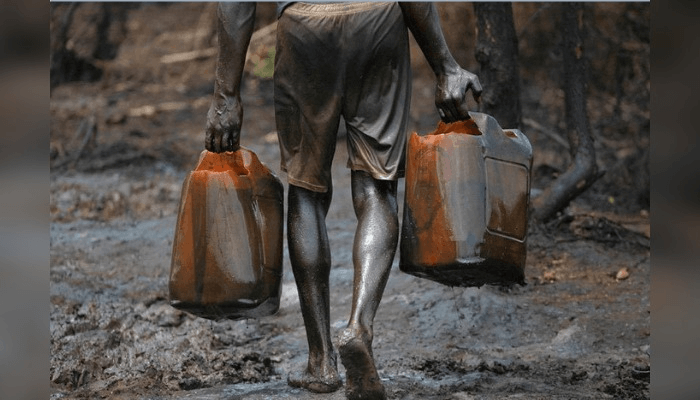
They made the recommendation at a leadership forum in Houston, Texas, warning that Nigeria continues to lose significant amounts of income weekly to theft and inefficiency because of outdated tracking and opaque validation systems.
Charles Deigh, a petroleum engineer, and Oluwatoyin Joseph Gbadeyan, a researcher, in their joint presentation, said every barrel of oil should represent national prosperity, but large amounts are lost annually through sabotage and poor accountability.
“This is not just unfortunate—it is unacceptable. Nigeria cannot afford to let another barrel go to waste.

“We need bold, transformative action,” they said.
According to the Nigerian Upstream Petroleum Regulatory Commission (NUPRC), daily crude losses dropped from about seven million dollars in 2021 to 700,000 dollars in 2025.
The agency attributed the reduction to initiatives such as the Nigeria Upstream Measurement System (NUMS), the Automated Hydrocarbon Accounting System (AHAS) and provisions in the Petroleum Industry Act (PIA) mandating metering technologies.
However, the experts stressed that enforcement remained weak, with manual reporting and lack of real-time oversight still enabling theft.
They recommended the deployment of advanced digital tools such as Internet of Things (IoT) sensors, drones, satellites, blockchain tracking, artificial intelligence and automated metering across the oil infrastructure.

According to them, such technologies—already in use in countries like Norway and Saudi Arabia—would cut the 10,000 to 20,000 barrels lost daily to theft and wastage, restore investor confidence and give all stakeholders access to transparent, real-time data.
The experts said Nigeria must set a firm milestone of achieving full digital coverage of its oil infrastructure by December 2025, if the country was to secure its resources and translate them into wealth.
“Government must move beyond policy to action, ensuring digital oversight is not just written into the PIA but rigorously enforced, with real consequences for non-compliance,” Deigh and Gbadeyan said.
They further urged oil companies to invest in durable monitoring systems and called on host communities to embrace transparency as a pathway to shared prosperity.
They warned that continued losses would erode national wealth, while urgent digitalisation could power economic growth, stability and diversification.
“The flames of wasted oil wealth have burned for too long.
“It is time to extinguish them with innovation, strong laws, advanced technology and political courage. The future of Nigeria depends on it,” they said.