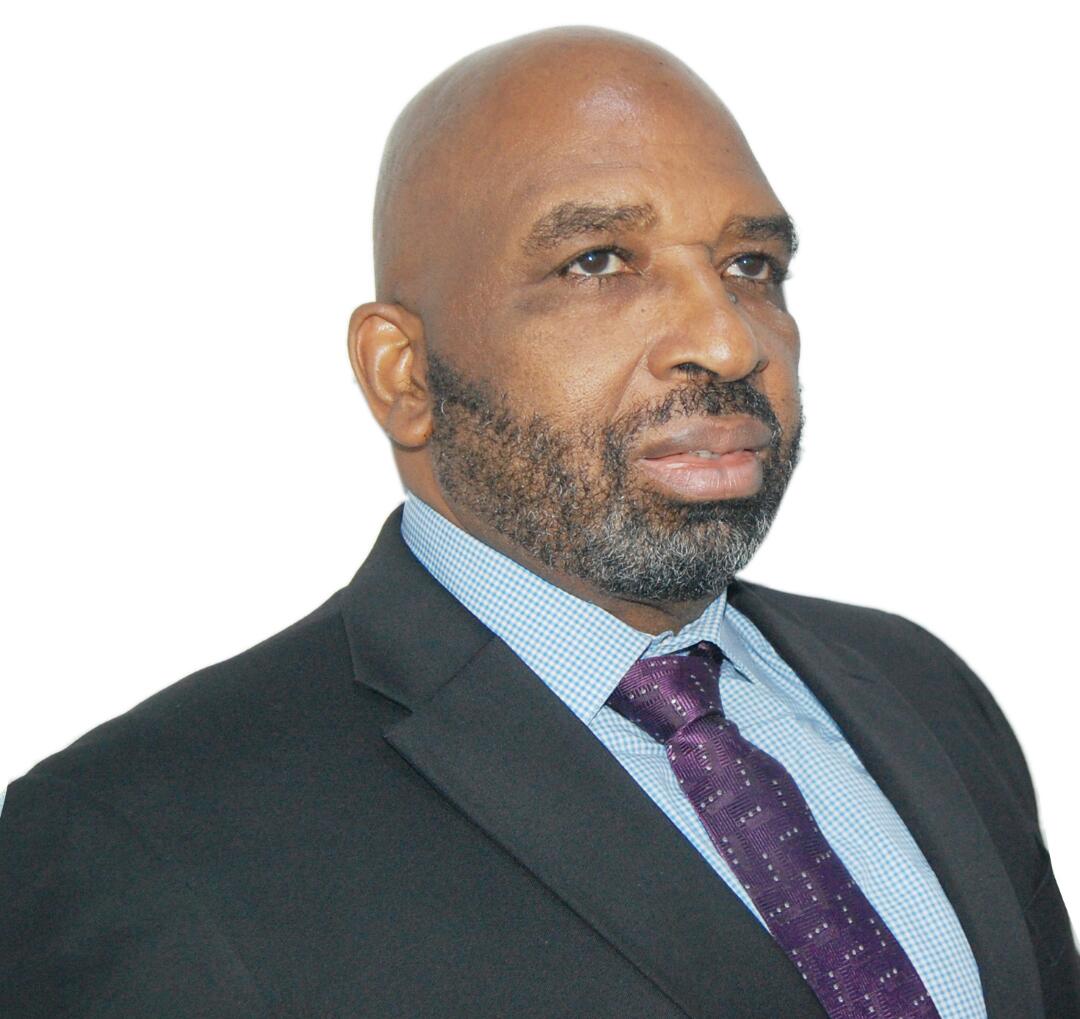
Experts in the aviation sector have disclosed that the reasons why Nigeria had accident free commercial aviation in 2016 is basically because airlines were principally responsible for safety and intensified its human capital development.
Speaking at the Akwaaba African Travel market, Gabriel Olowo Mecons, President – Sabre Network WA & Aviation Safety Round Table Initiative Nigeria said that in the past five years, the International Air Transport Association, (IATA) through IATA Operational Safety Audit (IOSA) have made its members to be principally responsible for safety and not necessarily the regulator.
“Airline members in the strive for Safety also do go extra mile to subject itself to audit by other jurisdiction outside its own registration, for example, The European Aviation Safety Agency (EASA) certification in addition to that of the Nigeria Civil Aviation Authority, (NCAA),” Olowo added.
He explained that airlines have also intensified human capital development through routine and schedule trainings for ALL, pilots in particular since pilot error account for about 80% of all aviation accidents.

He revealed that there have also been implementation of safety management system (SMS) and more budgets have been set aside for maintenance and dedicated account for maintenance reserve as accident is planned through neglect and poor maintenance.
Olowo noted that 1312 lives were lost in 10 accidents over 48years and pilot error accounted for 80% while maintenance and weather accounted for the remaining 20%.
BusinessDay’s checks show that Over 2,000 lives have been lost in air crashes in 40 years. These events occurred from year 1969 to 2013 involving 31 fatal plane crashes. The first plane crash in the country occurred in November 20, 1969 in which a total of 87 passengers on board Nigeria Airways BAC VC10 perished.
In January 22, 1973: Royal Jordanian Airlines flight 707 carrying 171 Nigerian Muslims returning from Mecca and 5 crewmen crashed in Kano, killing all passengers. Five years later, precisely on March 1, 1978, Nigerian Airways F28-1000 crashed in Kano killing 16 passengers on board followed by another Nigeria Airways F28-1000 which crashed on November 28, 1983, in Enugu killing 53 on board.
February 24, 1991: British Helicopter crashed in Eket, Akwa Ibom State, killing all nine people on board. In June 26,1991: An Okada Air Bac-11 crashed in Sokoto, three people died. July 11, 1991: Nigeria Airways DC-8-61 crashes in Jeddah, Saudi Arabia from system failure killing 261 on board. In 26 Jun 1991; Okada Air BAC-111; Sokoto, Nigeria: Fuel starvation during holding pattern over Sokoto due to heavy rain. Flight from Benin City diverted from Kano due to heavy rain and three of the 52 passengers sustained fatal injuries.

Between September 1992 and March 2013, there were 24 air accidents claiming the lives of many, while many others sustained injuries.
However, between the year 2014 to year 2017, Nigeria has not recorded a major accident. In year, 2016, Nigeria attained accident free commercial aviation because Nigeria did not have any major accident or incident.
Speaking further on reasons behind Nigeria’s low accident rate, Olowo observed that operators are successfully moving to newer and younger fleets with lower operational and maintenance cost and making available funds at low costs through financial institutions.
He said there have been more economic lease and lesser purchase Conditions from aircraft suppliers, adding that there is also continuous advocacy for improved Aviation infrastructure, acceleration of international Civil Aviation Organization (ICAO) safety related standard and recommended practices.
Tunji Oketunbi, Head, Public Relations Accident Investigation Bureau, (AIB) said that NCAA drives the industry and if NCAA is not effective, it will affect the industry.
“Airlines have a tendency to cut corners but it is the responsibility of NCAA to ensure proper checks are carried out on the airline, especially on the aircraft maintenance and pilot certifications. During accident investigations, AIB is able to reveal a lot of things either on the side of the regulators, the airlines or the service providers.
“Reports from accident investigations in Nigeria have also reduced accidents occurrence in Nigeria and influenced safety decision implementation on the part of airlines, regulators and other service providers,” Oketunbi said.
He noted that ICAO has worked very hard to ensure no country is left behind on the implementation of international safety standards.
Koya Olayinka, Country Manager, British Airways said that just one accident can be the end of airline, so that makes it important for airlines to comply with standards and ensure they leave no stone unturned.
Olayinka congratulated Nigeria for having zero accident rate in 2016 and encouraged airlines to remain steadfast in maintaining the records by applying the rules and training its staff as at when due.
IFEOMA OKEKE