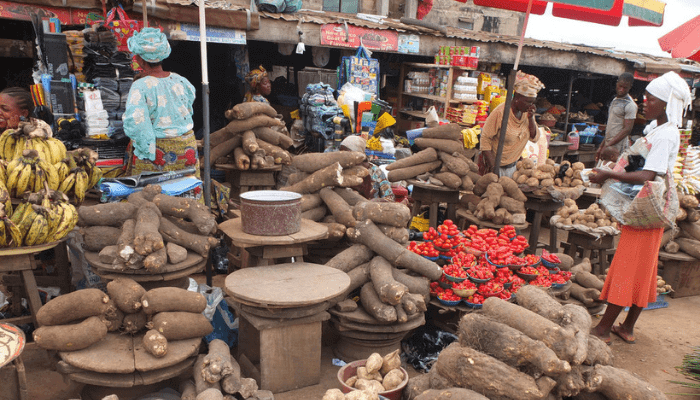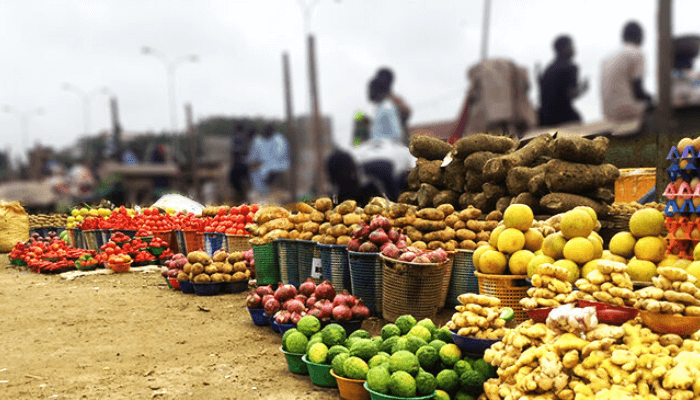
Agriculture in Africa’s most populous country is plagued by huge post-harvest losses currently put at N3.5 trillion annually.
This significant drain on the nation’s agricultural sector not only exacerbates food insecurity but also severely impacts the livelihoods of countless farmers and the broader economy.
Owing to this, experts in the country’s agricultural sector are demanding cold chain solutions to tackle the huge losses estimated at 50 percent of harvested crops by the Food and Agricultural Organisation.
The experts proposed this at the Cold Chain in Agriculture Roundtable 2025 event, convened by Ecotutu – a firm renowned for its expertise in cold chain solutions.

They are calling for intensified efforts through cold chain solutions to combat Nigeria’s alarming annual post-harvest losses.
According to them, the immense food wastage is primarily attributed to inadequate storage facilities, inefficient transportation networks, limited access to modern preservation technologies, and a critical lack of cold chain infrastructure.
Prince S.J Samuel, executive chairman of Origin Group, in his keynote address, said Nigeria’s agriculture is plagued by weak linkages that cause post-harvest losses.
“Nigeria is among the top countries producing tomatoes, yam, cassava, and citrus in Africa, yet logistics infrastructure, especially, cold chain, is underdeveloped or non-existent in many value chains,” he said.
Samuel, who was represented by Olusesan Ayeni, director at Origin Tech, said there is a need to develop every aspect of the cold chain to drive the country’s food security.

“Cold chain is a core infrastructure, which is as essential as roads or electricity for feeding a growing population, enabling exports and transforming rural livelihood,” he explained.
He called for a collaborative ecosystem and government support to mitigate the lingering post-harvest crisis in the sector.
Abisola Olusanya, commissioner for Agriculture and Food Systems, Lagos State, reiterated government efforts to support young innovators and startups to develop storage solutions and post-harvest technologies for farmers.
She emphasised the importance of collective action from all levels of government, private enterprises, and consumers to build a more resilient and sustainable agricultural sector.
She noted that the government is developing a unified database for farmers and the broader food industry. The purpose, she indicated, was to create a more efficient, transparent, and responsive food system within the state.
She commended Ecotutu for its solar-powered cold chain facility that has helped in reducing food losses.
She added that the government appreciated other such efforts towards creating a more robust and responsive food system for Lagos, promising enhanced food security for the rapidly growing population.
Olusanya highlighted the critical need for reliable data in addressing food security challenges and optimising agricultural productivity.
Peter Keulers, deputy consul general of the Netherlands in Lagos, said also that as part of efforts to provide market-led solutions to post-harvest losses, the Netherlands government in partnership with Lagos, developed and launched the Polar Store – an innovative solar-powered cold storage infrastructure in the state.
Keulers said the Polar Store serves as both a demonstration site and a training hub, showcasing the potential of renewable energy in cold storage applications.
He stated that post-harvest losses have been a significant challenge facing the Nigerian agricultural sector for a long time.
Adejoke Nofiu, head of operations at Ecotutu, in her welcome address, said her organisation has made measurable progress in tackling the country’s huge post-harvest losses.
“From deploying solar-powered mobile cold rooms to creating pay-as-you-chill models that make our services affordable and flexible, Ecotutu has impacted thousands of farmers, traders, and SMEs across Nigeria.”
“We’ve helped extend the shelf life of fresh produce, supported smallholder farmers in reducing spoilage, and most importantly, ensured that food travels farther, lasts longer, and feeds more people.”
Speaking also, Babajide Oluwase, chief executive officer at Ecotutu, said the roundtable aims to address post-harvest losses and intensify efforts to tackle the country’s post-harvest losses, as well as discuss scalable solutions to the growing food preservation problems.