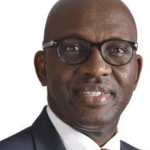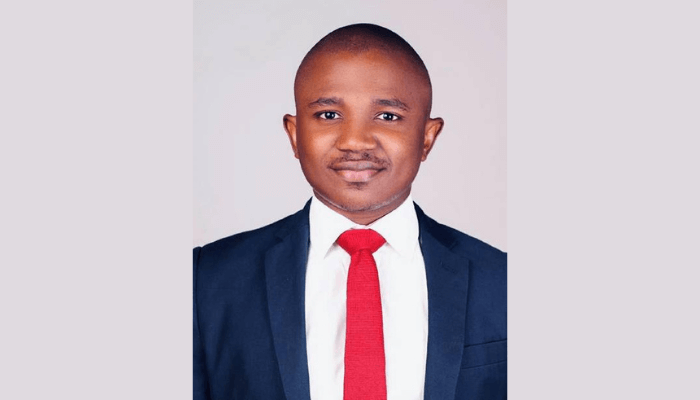
Nigeria must confront its energy crisis head-on if it intends to stabilise its economy and compete globally, Tony Attah, managing director of Renaissance Africa Energy Company Limited, has declared.
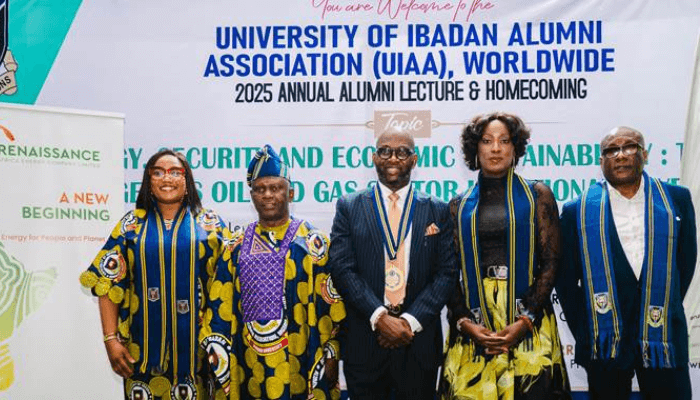
Speaking before an audience at the 2025 Annual Lecture and Homecoming of the University of Ibadan Alumni Association Worldwide that included the university’s top leadership, traditional rulers, industry executives, alumni, students and policymakers, Attah argued that Nigeria’s “fastest and most realistic route to economic stability is energy security, particularly gas-driven energy security.”
Attah, a former CEO of Nigeria LNG and an alumnus of the University of Ibadan, used the platform to set out a sweeping case for a national reset around oil and gas policy, domestic gas development and an industrial strategy anchored on affordable, reliable power.
Read also: Nigeria’s economic recovery hinges on CNG initiative, energy sector reforms – FG

Energy Poverty in a Land of Energy Abundance
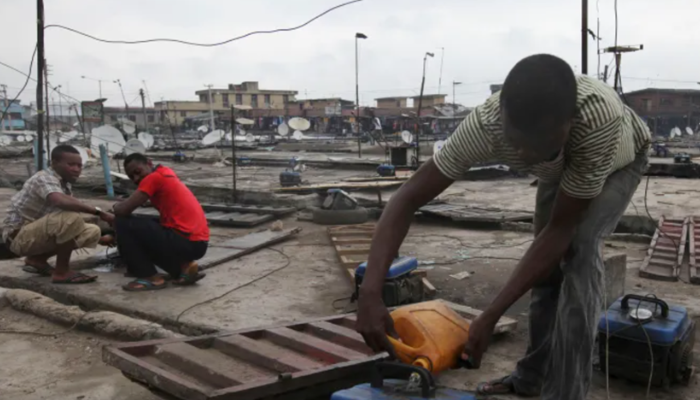
Nigeria’s energy paradox dominated his address. Despite holding over 37 billion barrels of oil, 210 trillion cubic feet of proven gas, and world-class solar radiation, the country remains one of the world’s most energy-poor nations.
Attah cited stark figures: nearly 85 million Nigerians lack electricity; the economy loses $29 billion annually from unreliable power; and industries spend up to 60 percent of operating costs on energy, mostly from diesel generators.
“Energy is not a commodity, it is oxygen,” he said. “Where energy flows, prosperity follows. Where energy is scarce, poverty persists.”
He argued that Nigeria’s power system, producing under 5,000 MW for a population of over 200 million, represents not just an infrastructure gap but “a developmental emergency.”

In a nod to global trends, Attah declared gas the “transition and destination fuel,” emphasising that shifting geopolitical tensions and the slowing pace of energy transition in Western nations present a strategic opportunity for Nigeria.
He criticised Nigeria’s historic delays in passing reforms such as the Petroleum Industry Act (PIA), noting that the country captured only 5 percent of Africa’s oil and gas investment between 2015 and 2020.
However, he praised the President Bola Tinubu administration’s recent approvals of stalled divestments and executive orders, which he says are beginning to attract new capital, including over $8 billion in fresh commitments.
“This is Nigeria’s moment to scale production, strengthen policy coherence and build investor confidence,” he said.
Attah laid out a bold vision: doubling Nigeria’s gas production from 8 billion standard cubic feet per day to 14 billion scf/d to revive industry, stabilise the grid, and cut manufacturing costs by up to 50 percent.
“No nation can grow without electricity,” he said, comparing Nigeria’s 15,000 MW installed capacity, of which only a fraction is available, with South Africa’s 55,000 MW and Egypt’s 60,000 MW.
He argued that powering Nigeria’s growth will require $10 billion annually over the next decade. But he said the returns reduced inflation, job creation, export competitiveness and macroeconomic stability — would far outweigh the cost.
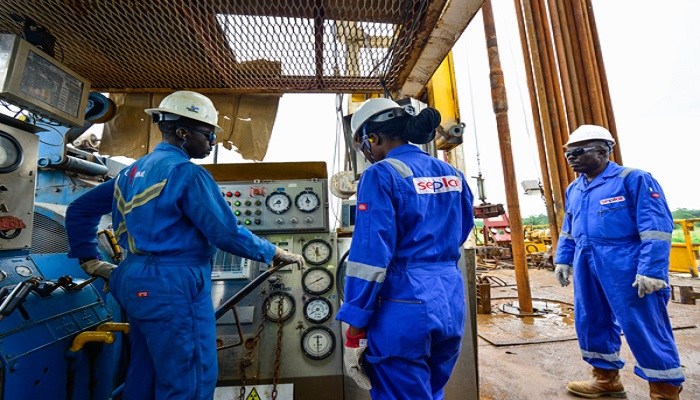
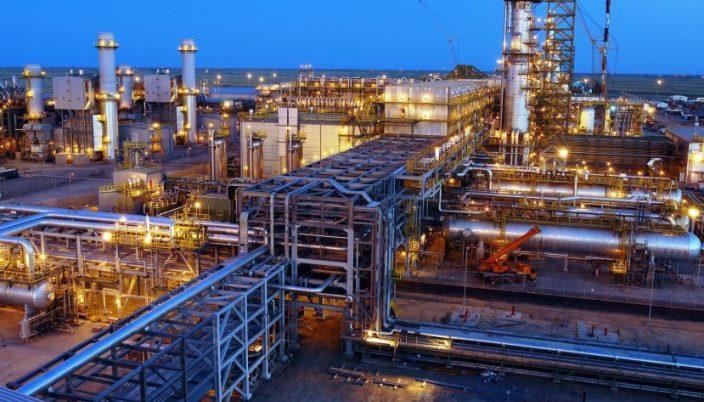
Positioning Renaissance as a key actor in the emerging energy landscape, Attah outlined multibillion-dollar domestic gas projects, including Opukushi, Assa North–Ohaji South and Iseni, that will supply gas to power plants and industries, including the Dangote Fertiliser complex.
The company aims to deliver 1 billion scf/d of gas by 2030, enough to power roughly 5 million homes daily. Renaissance is also investing in flare reduction, gas gathering, and partnerships to expand Nigeria’s domestic gas market.
Read also: Amid global energy shift, Nigeria will not abandon oil, gas FG
“Africa’s energy future must be built by Africans,” he said. “Our workforce is our strategic advantage — they understand the culture, the communities, the risks, and the opportunities.”
Attah’s speech repeatedly returned to the role of academia and youth, urging universities to become engineering and innovation hubs for solving Nigeria’s energy challenges. He called for solar adoption at the household level, expanded technical training, decentralised mini-grids, and curriculum reform to embed energy literacy.
He argued that energy security must be a shared project, requiring alignment across government, regulators, investors, communities and the private sector.
“Energy must stop being a bottleneck and become a bridge,” he said. “We have sunlight, we have gas, we have oil, we have talent. What we need now is integration and ambition.”
Attah closed with a challenge to leaders and young Nigerians: to choose innovation, collaboration and boldness in shaping the country’s energy future.
“Let the true African Renaissance begin,” he said. “We are Renaissance, made in Nigeria, built for Africa.”