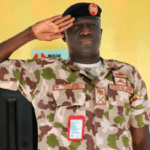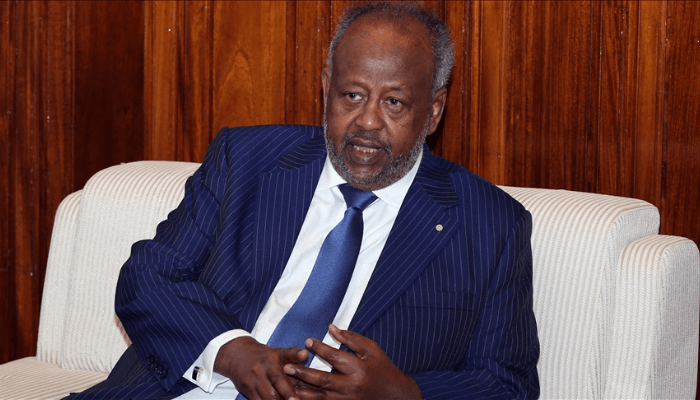
Djibouti’s parliament has voted to scrap the constitutional age limit for presidential candidates, a decision that could allow Ismail Omar Guelleh, the country’s long serving leader, to remain in power well into his eighties.
All 65 members of parliament present backed the amendment during a Sunday session in the capital. The current constitution states that anyone above 75 cannot contest the presidency, a rule that would have barred Guelleh, 77, from running again in the April 2026 election. The president must now decide whether to approve the change directly or call a referendum. A final parliamentary vote is expected on November 2 if he signs off.
Read also: Worlds oldest president Biya to stay in power till 2032 after eighth term victory
Guelleh, widely known as IOG, has ruled the tiny Horn of Africa nation since 1999. His government maintains strategic partnerships with global powers that operate military bases in Djibouti, including the United States, France, and China. The country sits at the mouth of the Red Sea, guarding a crucial trade route between Asia and Europe. That location has earned it a major geopolitical role despite its population of only one million people.

Dileita Mohamed Dileita, the National Assembly speaker defended the constitutional reform as a matter of national security and continuity. He argued that the region faces acute instability from conflicts in Somalia, Ethiopia, Eritrea, and Sudan, and insisted that more than 80 percent of Djiboutians support the modification. That figure could not be independently verified.
Read also:Ouattara, Ivory Coast 83-year-old incumbent president wins election in fourth term bid
Supporters say Guelleh has delivered stability in a dangerous neighbourhood. Critics warn that the latest move removes one of the last constitutional checks on presidential power.
Human rights groups describe the vote as the latest step toward entrenched authoritarianism. Omar Ali Ewado, who leads the Djiboutian League for Human Rights, said the amendment clears the way for a presidency for life and called instead for a democratic and peaceful transition of power. “This revision prepares a presidency for life,”.
Djibouti continues to rank poorly on measures of freedom of expression and press liberties, and opposition voices often struggle to organise.

Read also:Ugandas 81-year-old president confirms bid for seventh term in office
The amendment marks a shift from reforms introduced by Guelleh himself in 2010. Term limits were removed at the time, but individual terms were shortened from six to five years and the age ceiling was introduced. Elections since then have seen overwhelming victories for the incumbent, including more than 97 percent of the vote in 2021 after opposition parties boycotted the poll.
Guelleh has remained ambiguous about whether he will run again. In an interview earlier this year he said he loved his country too much to risk divisions, a statement seen by many as a signal that he intends to stay.
“All I can tell you is that I love my country too much to embark on an irresponsible adventure and be the cause of divisions,” he said.
If he does, he will continue to rank among Africa’s longest serving leaders, behind Yoweri Museveni in Uganda and Isaias Afwerki in Eritrea.