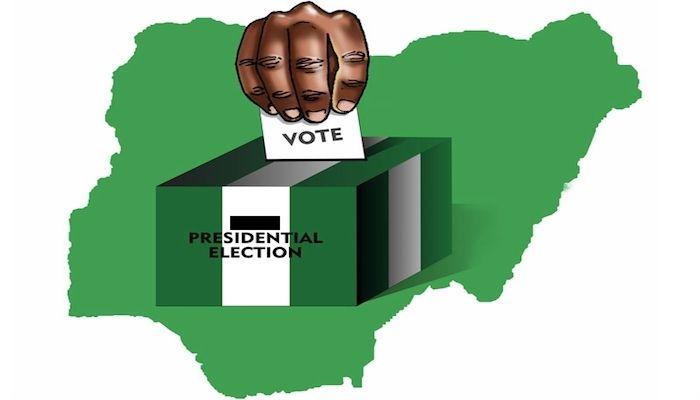
Nigeria stands on the edge of a democratic turning point. For decades, millions of Nigerians living abroad have been the country’s invisible backbone – sending home more money than oil sometimes brings in, building schools and clinics, mentoring businesses, even acting as informal diplomats for the nation. Yet when it comes to the ballot box, this same constituency has been locked out. The proposed constitutional amendment to allow diaspora voting – now at its most advanced stage ever – offers Nigeria a once-in-a-generation chance to change that story. If the country seizes the moment, 2027 could mark not just another election, but a fundamental rebalancing of power between the homeland and its global citizens.
The stakes are immense. Nigerians abroad remit over USD 20 billion annually, a flow of funds that rivals or exceeds oil revenues in some years. But their contribution is more than money: they transfer skills, invest in businesses, and shape global perceptions of Nigeria from London to Toronto to Dubai. Enfranchising this population would turn an economic lifeline into political capital. When people have a vote, they tend to invest more confidently and more long-term. That means remittances could shift from emergency support to strategic investment in infrastructure, startups, and public–private partnerships. Countries that enfranchise their diasporas often see measurable upticks in foreign direct investment from citizens abroad, because the ballot box gives them a voice in shaping policy.
There’s also a democratic legitimacy dividend. Nigeria aspires to lead Africa politically and economically, yet it trails Ghana, Kenya and South Africa in the simple act of letting citizens abroad vote. Those countries show that diaspora voting can be phased in pragmatically, starting with embassies and high commissions in major hubs. It is technically feasible and politically transformative. For Nigeria, implementing it ahead of 2027 would signal seriousness about democratic reform, transparency and inclusion – a strong message to investors, multilateral institutions and its own citizens.
The benefits aren’t only external. A politically engaged diaspora can shift Nigeria’s domestic politics, too. Diaspora voters tend to be more policy-driven and less swayed by local patronage networks. Their inclusion would widen the conversation about governance beyond ethnic or regional lines and force parties to speak to issues such as institutional reform, technology, security and the economy. This could help dilute the grip of old political structures and infuse new energy and expectations into the electoral process. In short, diaspora voting is not just about adding ballots; it’s about changing the content of Nigeria’s democracy.

Still, the window is narrow. Passing the constitutional amendment was the easy part; turning it into operational reality is harder. INEC needs to secure budget allocations for overseas polling infrastructure, test digital identity and vote transmission systems, and negotiate with host governments for access and security. State assemblies and the presidency must complete the legislative approvals in time. Without a clear timetable and sustained public pressure, 2027 will slip away just as previous election cycles did, and millions will remain disenfranchised.
This is where the diaspora itself can be decisive. Professional associations, advocacy groups and civil society networks abroad must form coalitions to lobby lawmakers, co-design implementation, and provide technical support. They can also keep the issue alive in Nigerian media, turning diaspora voting from a niche topic into a national democratic imperative. The media, for its part, can create scorecards and dashboards to track legislative progress, INEC readiness and registration numbers. The combination of policy momentum and public scrutiny is what will move the bureaucracy and political class from promise to delivery.
If Nigeria gets this right, the upside is transformative. Diaspora voting would signal to young Nigerians abroad that their homeland values them not just as senders of money but as citizens. It would deepen emotional ties and civic loyalty, turning skilled professionals who might otherwise detach into ambassadors and investors. It would strengthen Nigeria’s bargaining power internationally, because a politically mobilised diaspora is also a diplomatic asset. And it would give future Nigerian leaders a truly global mandate, one that reflects the country as it is in the twenty-first century – not just the territory within its borders but the sprawling network of Nigerians worldwide.
Nigeria’s democracy cannot afford to remain land-locked while its people are global. By completing legislation, mobilising institutions and leveraging diaspora expertise, Nigeria can make 2027 the year it became Africa’s first truly global democracy. The choice now is between bold action and another lost opportunity. History will not wait – and neither will the diaspora.
Dr Brian O Reuben is the Executive Chairman of the Sixteenth Council