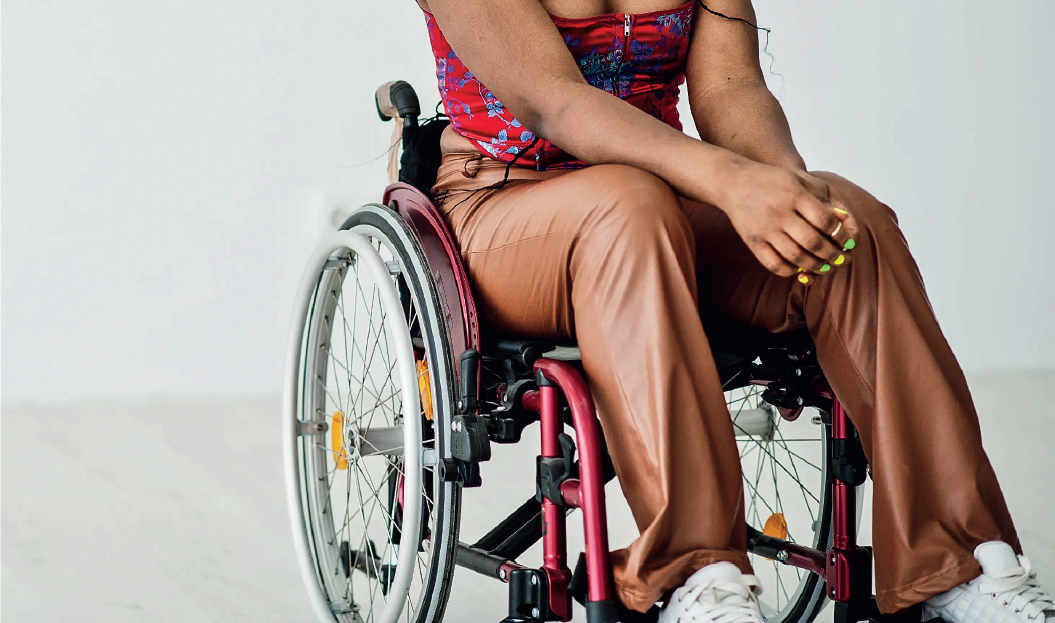
In most African societies, the inclusion of persons with disabilities in “everyday life” extends far beyond legislative mandates; it demands a profound cultural shift toward viewing them as essential threads in the communal fabric. Without first addressing deep-seated stigmas, rooted in traditional beliefs, misconceptions, and social norms, no legal framework can meaningfully integrate them into everyday life, including the economic sphere.
This foundational challenge manifests in Nigeria and across the continent. Disabilities are frequently framed through lenses of superstition, fate, or deficiency, rather than as variations in human experience. Such perceptions foster exclusion, from inaccessible public infrastructure to biases that limit education and employment opportunities. There is an estimated 30 million Nigerians living with disabilities. Societal oversight not only perpetuates marginalisation but also undermines collective progress.
A mature approach requires recognising that true inclusion begins with education and dialogue, reframing narratives to highlight capabilities and shared humanity. By cultivating communal empathy, societies can create fertile ground for laws to take root, transforming abstract rights into lived realities.
Nigeria’s 2018 Discrimination Against Persons with Disabilities (Prohibition) Act represented a deliberate step in this direction. It was enacted under late President Muhammadu Buhari to affirm dignity, access, and equity. After six years, its impact remains highly limited, particularly in employment, as it grapples with unyielding cultural attitudes. Evidence of non-compliance abounds, underscoring the need for stakeholders to balance legal enforcement with broader societal reform.

At the corporate level, adherence to the Act has been inconsistent. Section 28 prohibits discrimination in employment, mandating reasonable accommodations and protections against harassment, while Section 29 imposes a 5% quota for persons with disabilities in public institutions. However, both private enterprises and government bodies often invoke practical constraints or merit-based rationales to circumvent these requirements. This pattern reflects not merely administrative inertia but a deeper cultural reluctance to accommodate difference, where stigma subtly influences hiring decisions and workplace dynamics.
The ramifications are multifaceted and enduring. Systemic exclusion from the labour market entrenches economic disparities, fostering dependency and limiting contributions to national development. Though this is less a deliberate malice than a confluence of historical prejudices and resource limitations, it constitutes a clear infringement on human rights. Addressing it requires acknowledging how cultural norms intersect with economic realities, such as the informal sector’s dominance in Nigeria, where formal protections are harder to apply.
The Act itself is a robust instrument, designed for enforcement rather than symbolism. It empowers the National Commission for Persons with Disabilities to oversee compliance, with penalties for violations, including fines. However, the Commission’s efficacy is hampered by inadequate funding and authority, rendering the law more aspirational than operational. This highlights a critical gap: laws must be buttressed by institutional capacity and societal will to achieve their intent.
Comparatively, Nigeria can draw measured lessons from African counterparts who have navigated similar terrains by integrating cultural advocacy with legal action. South Africa’s Employment Equity Act, for instance, has been reinforced through jurisprudence like the 2008 Dudley v. City of Cape Town case, where the Labour Appeal Court affirmed that denying promotions to disabled employees violates equity principles. This ruling, grounded in a broader societal commitment to post-apartheid reconciliation, demonstrates how legal precedents can catalyse inclusive norms.
In Zambia, civil society initiatives, bolstered by organisations such as the Southern Africa Litigation Centre, have successfully challenged exclusions, such as barring students from higher education, leading to policy reforms. These efforts underscore the value of grassroots mobilisation in shifting public perceptions. Similarly, the African Commission on Human and Peoples’ Rights’ 2003 decision in Purohit v. The Gambia, established benchmarks for protecting the dignity and autonomy of those with mental disabilities, emphasising legal safeguards amid cultural contexts.

These examples illustrate that effective change emerges from a synergy of judicial enforcement, civil engagement, and cultural evolution. As a signatory to the UN Convention on the Rights of Persons with Disabilities (CRPD), and the African Disability Protocol (ADP), Nigeria is bound by international norms. Article 27 of the CRPD calls for non-discriminatory employment practices, while the ADP addresses continent-specific issues like inaccessible commercial spaces and non-inclusive media content.
To advance from principle to practice, a sophisticated strategy is essential. This begins with societal initiatives: targeted campaigns to educate communities on the spectrum of disabilities, as well as fostering empowerment through stories of achievement rather than charity. On the institutional front, mandatory annual reporting of disability employment data by corporations would enhance transparency, complemented by incentives such as tax relief for those meeting or surpassing quotas. Conversely, non-compliant entities could face restrictions on government contracts, aligning public expenditure with inclusive values.
Judicial avenues must be streamlined for redress, enabling individuals and organisations to pursue claims efficiently. Civil society, in partnership with disability advocates, should prioritise rigorous monitoring and evidence-based advocacy, while employers receive training on the economic benefits of diverse workforces, including innovation and resilience.
Ultimately, the rights of persons with disabilities are integral to human dignity, embedded in Nigeria’s Constitution and international commitments. Realising them demands not just political resolve but a mature societal introspection, where acceptance paves the way for enforcement. By embracing this holistic path, Nigeria can honour its diverse citizenry, building a more equitable future.