Severe flooding in South Africa’s northern provinces of Limpopo and Mpumalanga has forced the temporary closure of the world-famous Kruger National Park, with guests and staff evacuated by helicopter as rising waters swept through the region.
At least 19 people are believed to have died in recent weeks after torrential rain destroyed dozens of homes and washed away roads and bridges. Among the victims was a five-year-old boy in the town of Giyani, Limpopo. President Cyril Ramaphosa visited the area this week to assess the damage and met the child’s family to offer his condolences.
Read also: Nigeria, South Africa, two others exit EU–FATF high-risk list
“This is a painful loss and a tragedy for the whole community,” Ramaphosa said during the visit, according to a statement from the presidency.

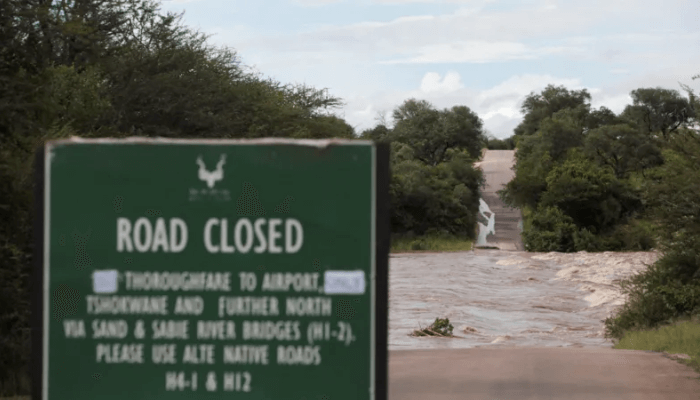
The South African Weather Service has issued a red level 10 warning, its highest alert, forecasting more heavy rain in the affected areas. Residents have been urged to remain cautious and avoid unnecessary travel.
“If possible, stay indoors and off the roads,” the weather service warned. “Never drive on a road covered by water. If the vehicle stalls, leave it immediately and seek higher ground.”
Read also: South Africa posts weakest business activity in Africa, PMI falls to 11-month low
Authorities also advised residents to move valuables to safe places above expected flood levels, switch off electricity at the source, and move livestock to higher ground.
Inside Kruger National Park, flooding submerged staff accommodation overnight, prompting emergency evacuations. Park officials said wildlife was not believed to be at high risk, as animals tend to instinctively move to higher ground during floods.

Read also: Nigerian billionaires overtake South African peers as fortunes hit $43bn
Helicopters and military units have been deployed in recent days to rescue people trapped in some of the worst-hit communities. In Limpopo, several low-lying bridges have collapsed, and key roads have been rendered impassable.
The Reuters news agency reports that flooding across south eastern Africa has become more frequent and more severe, as climate change fuels stronger storms in the Indian Ocean.
Emergency services remain on high alert as more rain is expected, while recovery efforts continue in communities already devastated by the floods.