…says critical unit took two years to fix due to deliberate sabotage
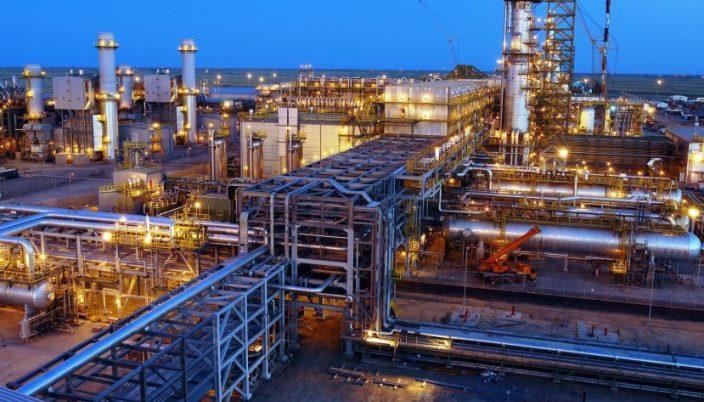
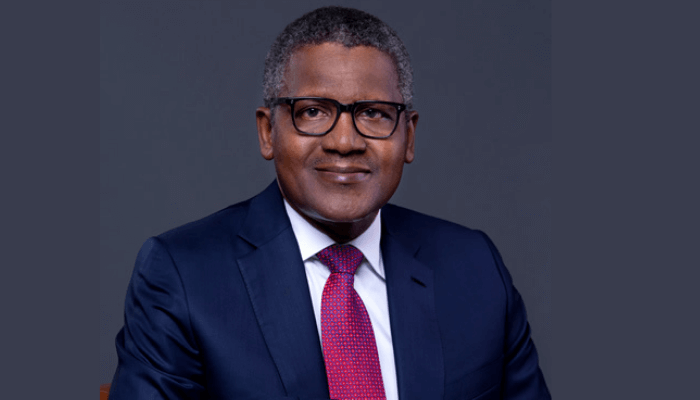
Aliko Dangote, Africa’s richest man and President of Dangote Group, has revealed that his $20 billion refinery project was delayed by over two years due to the deliberate supply of faulty equipment by a prominent foreign company.
Speaking as a keynote speaker at the West African Refined Fuel Conference in Abuja, organised by the Nigerian Midstream and Downstream Petroleum Regulatory Authority (NMDPRA) and S&P Global Commodity Insights, Dangote said the defective equipment was a critical part of the refinery’s operations and appeared to have been intentionally compromised.
“One prominent company, which I shall not name, supplied us with faulty equipment, which I believe was intentional. The equipment was actually quite critical to the start-up of the refinery, and without that, we couldn’t have started. It took us two years to correct the various defects of commissioning that unit,” Dangote told participants at the conference.

Read also: Refinery overhaul tougher than expected, says NNPC boss
The refinery, with a capacity to produce 650,000 barrels per day, has been widely regarded as a game changer for Nigeria and the West African region, as it promises to end fuel imports and stabilise supply. But despite its scale and potential, Dangote reminisced that the journey has not been without significant setbacks.
Dangote, narrating the scale of the refinery’s construction, said his company purchased over 2,700 hectares of land, seven times the size of Victoria Island, of which 70 percent was swamp.
“We had to debush the land. Based on the data on climate change, we had to raise the land by about one and a half meters, so we pumped 65 million cubic meters of sand from the sea,” he said.
According to him, the entire infrastructure sits on piles. “We sold over 250,000 piles of 35 meters each. Anything that is in our refinery is standing on piles, millions of meters of piping, cabling, electrical wiring, and so on,” he added.

Reflecting on Nigeria’s long-running challenges with state-owned refineries, Dangote recalled an experience in 2007 when Bluestar Oil, a consortium led by Dangote, bought the Port Harcourt and Kaduna refineries, only for the government to reverse the sale.
“They took it back, and they are still not yet there,” he said, highlighting the missed opportunity to revamp Nigeria’s refining sector nearly two decades ago.
While the faulty equipment setback was the most expensive delay, Dangote said the project also had to overcome human resource and logistics issues.
“At peak, we had over 67,000 people on site, half of them Nigerians, working round the clock across hundreds of disciplines and nationalities,” he noted.
The COVID‑19 lockdowns increased the challenge, pushing timelines back by two more years. A presidential waiver, he recalled, let the company charter planes from China and India to keep a reduced workforce moving, allowing them to continue construction, but at a very low pace.
Dangote also recalled that because Nigeria’s ports could not handle most of the refinery’s outsized modules, the group built its deep‑sea port alongside the plant.
Read also: Fuelling growth: How Dangote refinery is rewriting Nigeria’s economic story
More than 150,000 containers, many routed through Lomé, plus 2,600 pieces of heavy construction machinery, 1,000 vehicles and 330 cranes (each 100‑tonne‑plus) had to be marshalled on site.
Even stone became an issue, “We ended up opening what is now the world’s largest drainage quarry, about 10 million tonnes, because nobody could supply what we needed,” he said.
Dangote also praised the NMDPRA for accelerating the construction by smoothing approvals and technical interfaces.