Production of skilled manpower needed in Nigeria and indeed other countries in the sub- saharan region to compact the effect of coronavirus pandemic, may suffer if teachers, teachers trainers and regulators are not adequately and properly equipped.
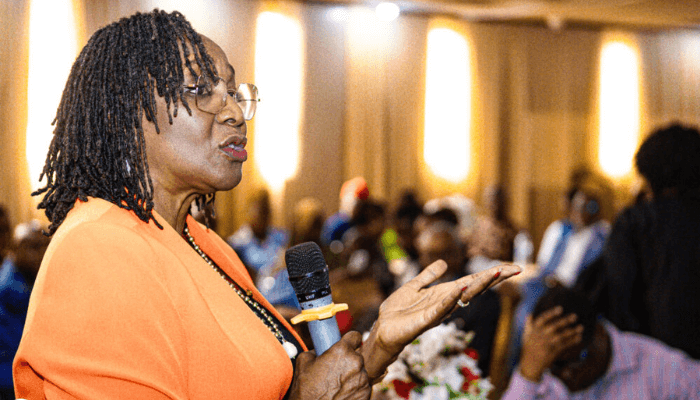
Panelists at Axiom Learning Solutions CSR virtual webinar workshop last week, acknowledged that, saying with the global health crisis, academic processes have changed, disrupting the old normal and throwing a new normal.
In their various submission on the themed: “The Teaching profession and Regulation Post COVID-19, The Nigerian perspective’’, they urged the need for positive Public/private partnership to rescue”our education system from imminence collapse.”
The purpose of the workshop, according to co-founder, Axiom Learning Solutions, Ani Charles Bassey-Eyo, ” is to gain perspicality into effective tactics to manage innovations and disruptions in the ecosystem, regulating the 21st century teacher using technology to drive strategy and regulation, building institutional capacity, as well as the role of TRCN as regulator.

Read also: How COVID-19 has battered lives, morale of private school teachers in Nigeria
In his submission he said: ‘’We need to sharpen the knowledge of our regulators to learn what is new normal in their various discipline, compare notes, and understand how to navighate the current challenges which has caused halting schooling in Nigeria due to the pandemic.
“This is actually what the Sustainable Development Goal Four. “Ensuring inclusive and equitable quality education and promote lifelong learning opportunities for all” try to achieve”, Bassey-Eyo said.
Speaking at the occasion, Olubukola Adebonojo, observes that the gaps between the tertiary programmes and the requirements of the local and international work environment have also found many Nigerian graduates lacking in competitive skills upon graduation.
Adebonojo opines that despite several efforts by both federal and state governments through initiatives and interventions to reposition the Nigerian education system to meet global standards, such initiatives were poorly implemented, while some far-reaching decisions were abandoned resulting in current dilapidated state.

“I wish to emphasise that while the regulatory framework at the government level is somewhat clear, there is little clarity regarding education goals and accountability for ensuring that desired outcomes are met”.
Reforming education system presupposes public private partnership arrangement as education is both a public and a private concern with responsibilities and benefits for the entire nation,” Adebonojo said.
Ella Mokgalane in her comments on the topic, ‘Teaching Profession and Regulation post COVID-19’, said Nigeria needs to refocus the conversation about developing this critical sector by focusing on having an identified national education vision that will drive processes and investment going forward.
According to her, it is very imperative that as a nation, Nigeria’s education is tied to what is called a national vision.
“Why are primary, secondary and universities going to school? And how will their education impact the economy or the vision of the nation?” she said.
Muhammad junaid observed that government, private and non-for-profit organisations over the years have been working in silos, by not pooling resources to achieve a very clear impact, adding that if managers of the economy don’t address this root cause, the country will continue going in cycles.
” Both the public and private sector should liaise positively at rescuing the education system,” Junaid said.
Other Panelists at the ocassion includes, Ella Mokgalane, CEO, South Africa Council for Education (SACE), Muhammad Junaid (prof), former Executive Secretary, National Commission for Colleges of Education and Ade Adekola, founder& director, Bolari Designs Works.