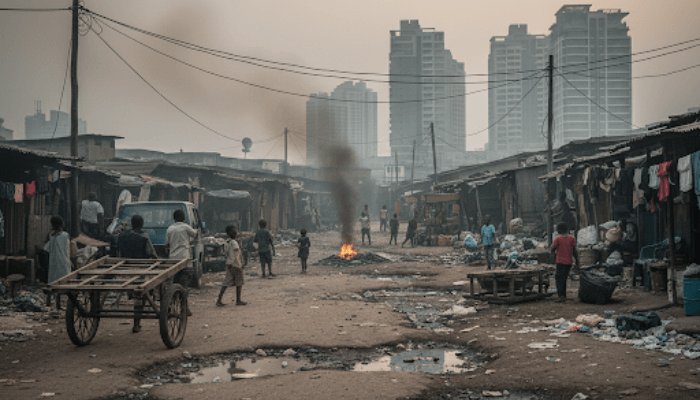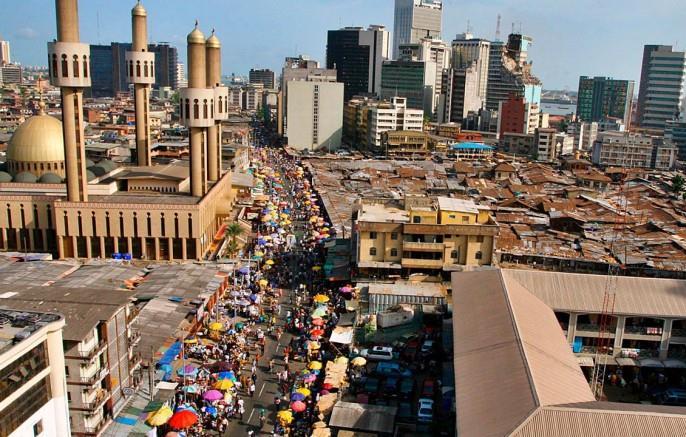
As you may not know, Lagos, Nigeria’s commercial hub and the fifth largest economy in Africa, is a city of many parts. It is home to over 22 million residents, according to the National Population Commission’s 2023 estimate, packed within just 3,577 square kilometres, barely 0.4 percent of Nigeria’s total landmass. It is also home to ambition, creativity, and relentless hustle. Yet, despite its economic significance, Lagos today stands at a painful crossroads, literally and figuratively, its roads riddled with potholes that slow movement, stifle productivity, and frustrate the dreams of millions.
Every day, from dawn to dusk, Lagosians endure painful traffic on roads that have become death traps. From Ikeja to Apapa, Berger to CMS, and Lekki to Ajah, craters have replaced smooth surfaces. The major roads across the state are all littered with deep potholes, turning simple commutes into ordeals that drain both wallets and morale. Even newly rehabilitated roads such as Eko Bridge and Lekki-Epe Motorway are already developing cracks, revealing how poor design and inadequate maintenance have become chronic.
The implications are dire. A 2024 survey by the Lagos Bureau of Statistics estimated that residents spend an average of seven to 10 hours daily in traffic, a figure that has worsened by over 25 percent in five years. The Lagos Chamber of Commerce and Industry (LCCI) recently calculated that the state loses nearly N4 trillion yearly in man-hours, productivity, and logistics delays due to congestion and poor roads. This was corroborated by the state government in June by Sola Giwa, special adviser to the governor on transportation, while speaking during an appearance on TVC News.

The human cost is equally devastating; accidents, vehicle damage, stress-related illnesses, and lost family time have become defining features of daily life.
Lagos’ transportation system, which carries over 90 percent of commuters on its roads, is suffering under the weight of its own neglect. The much-touted Lagos Rail Mass Transit (LRMT) project, particularly the Blue Line, which finally began partial operation in 2023 after over a decade of delay, was expected to transform mobility. Yet, with limited patronage and infrastructure still incomplete beyond Marina, its impact remains minimal. Meanwhile, water transport, which should be a natural advantage in this coastal city, contributes less than 5 per cent of daily passenger movement, according to the Lagos State Waterways Authority (LASWA), due to poor docking facilities and safety concerns.
“ Encouraging satellite economic hubs, such as Epe, Badagry, and Ikorodu, through targeted infrastructure and tax incentives could reduce the daily inward movement that paralyses the city’s core.”
Instead of easing, Lagos’ traffic gridlock appears to be worsening as urban expansion outpaces infrastructure growth. Satellite communities such as Mowe, Sango-Ota, and Epe, once considered distant suburbs, are now part of the daily commute as the city’s population increases. Yet, these routes remain choked with abandoned trucks, collapsed drainage systems, and deep potholes that force cars to crawl at walking pace. The recent heavy rains of September 2025, which flooded major corridors like Oworonshoki, Ajah, and Badagry, further exposed the fragility of the state’s drainage and road maintenance culture.
Lagos’ predicament is not one of ambition but of planning failure and policy inconsistency. Successive governments have promised to make Lagos a ‘smart city’, yet the evidence on the ground betrays those lofty goals. A smart city is not defined by billboards or slogans but by the efficiency of its systems, transportation, waste management, energy, and urban planning. Unfortunately, Lagos still struggles with the basics.

It is baffling that a city generating over N1.1 trillion in Internally Generated Revenue (IGR) yearly, the highest of any Nigerian state, still battles to maintain its arterial roads. The Ministry of Works and Infrastructure has repeatedly announced rehabilitation efforts, but repairs are often poorly timed, done in the middle of peak hours, or executed without durable materials. These short-term fixes create a cycle of decay that costs more in the long run.
To break this cycle, Lagos must embrace sustainable infrastructure management anchored on data and foresight. Routine maintenance should not wait until roads become impassable. A transparent, technology-driven system of monitoring, backed by public accountability, is needed. The Lagos State Public Works Corporation (LSPWC) must evolve from a reactive patch-up agency into a proactive infrastructure management body.
Furthermore, the state must accelerate the integration of its multi-modal transport plan, linking rail, waterways, and road networks effortlessly. The Blue and Red Rail Lines, the planned Fourth Mainland Bridge, and the Lekki Deep Sea Port access roads should not become eternal projects. Each year of delay translates into higher costs and deeper public frustration.
Decongesting the city centre is equally critical. Businesses and residential estates are expanding into the outskirts without commensurate road development or traffic management planning. Encouraging satellite economic hubs, such as Epe, Badagry, and Ikorodu, through targeted infrastructure and tax incentives could reduce the daily inward movement that paralyses the city’s core.
Read also: Fast Credit redeems N5bn commercial paper
Moreover, Lagos must take urban sanitation and drainage maintenance seriously. The connection between bad roads and poor drainage cannot be overstated. Clogged gutters accelerate flooding, which in turn erodes road surfaces. Investing in flood-resilient infrastructure and enforcing sanitation laws are vital for long-term durability.
Ultimately, Lagos’ journey to a true megacity demands more than numerical pride. It requires foresight, empathy, and discipline. The potholes that dot its roads today are not just signs of neglect; they are symbols of governance gaps, poor planning, and unfulfilled potential. A city that aspires to global relevance cannot afford to have its economy trapped in traffic.
If Lagos must retain its reputation as Nigeria’s economic engine and Africa’s model megacity, then fixing its roads is not just a matter of convenience; it is an economic necessity and a moral obligation. The future of this great city depends on how quickly its leaders realise that infrastructure is not a photo opportunity but the backbone of prosperity.