Thirteen countries have signed a new declaration aimed at combating climate disinformation and promoting accurate, science-based information on climate change.
The “Declaration on Information Integrity on Climate Change” was launched on Wednesday at COP30 in Belém, Brazil, by the Global Initiative for Information Integrity on Climate Change.
The pact seeks to strengthen global cooperation against the spread of false or misleading narratives that undermine climate action. It commits governments, civil society, and the private sector to promote transparency, protect journalists and researchers, and ensure that public information on climate change is evidence-based.
Countries endorsing the declaration include Brazil, Canada, Chile, Denmark, Finland, France, Germany, Spain, Sweden, Uruguay, Belgium, and two others.

Read Also: Nigeria eyes $20bn in investments from 70 priority gas projects
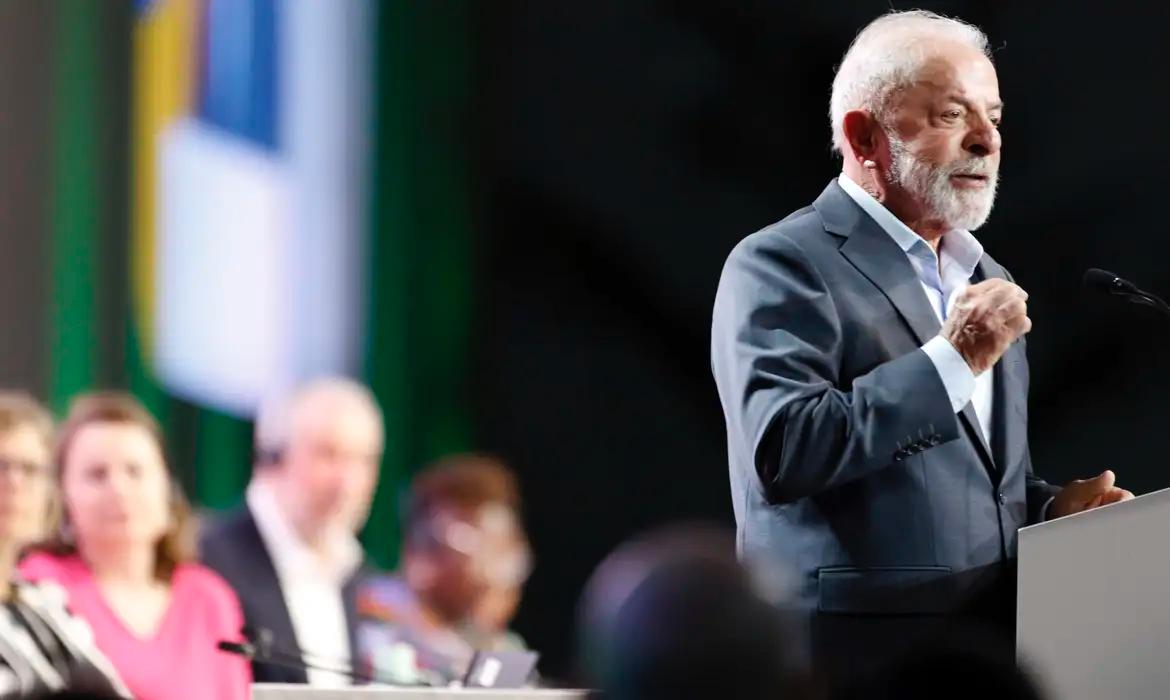
Brazilian President Luiz Inácio Lula da Silva said climate change “is no longer a threat of the future; it is a tragedy of the present.” He warned that the world now lives “in an era where obscurantists reject scientific evidence and attack institutions,” adding that “it is time to deliver yet another defeat to denialism.”
United Nations Secretary-General António Guterres, in a statement ahead of the launch, called for stronger action against misinformation, online harassment, and greenwashing.
“Scientists and researchers should never fear telling the truth,” Guterres said. “Through this initiative, governments and organisations are working together to promote information integrity on climate issues.”
Audrey Azoulay, director-general of UNESCO, said the declaration will help strengthen the work of journalists and researchers facing increasing risks when reporting on climate issues.
“Without access to reliable information about climate disruption, we can never hope to overcome it,” she said.
The declaration stresses that consistent, science-based information is essential for public trust, accountability, and effective climate action. It also calls on governments to fund research on information integrity—especially in developing countries—and urges private companies to commit to responsible communication and advertising practices.

The Global Initiative said the agreement reflects growing recognition that climate disinformation poses one of the biggest threats to effective global action, warning that false narratives continue to erode public confidence and delay progress toward a sustainable future.