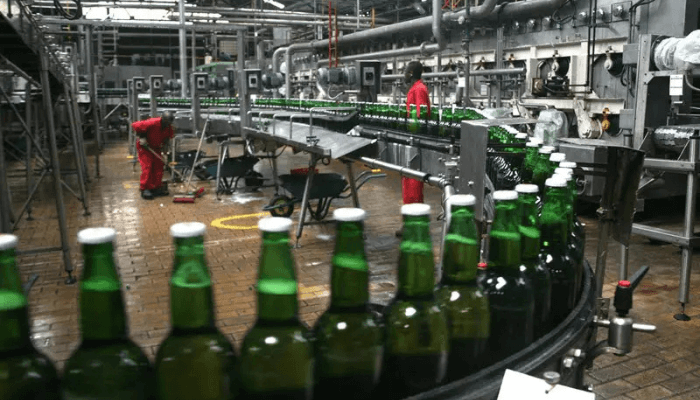
Stakeholders drawn from water related fields in the public sector, non-governmental organizations and corporate organizations including Coca-Cola Nigeria have agreed on the need for increased level of collaborations to tackle the challenges associated with water scarcity and its waste in Nigeria.
Speaking during a sustainable development symposium organized by Pan Atlantic University (Lagos Business School) with the theme ‘From Global Goals to Local Action: Catalyzing Action Towards Sustainable Water Development’ the stakeholders declared that there was the need for government, corporate organizations as well as non-governmental organizations to partner in promoting sustainable water provisions and management in Nigeria which they noted would go a long way in bridging the demand gap for water access in communities.
Speaking during a panel discussion session of the symposium, Director, Public Affairs, Communications and Sustainability, Coca Cola West Africa Business Unit, Clem Ugorji stated that it has become increasingly imperative for government and other critical stakeholders to work together to ensure water availability for all considering the population growth and limited access to potable water.
Ugorji disclosed that The Coca-Cola Company has been at the forefront of the campaign of sustainability, safe and clean environment through its numerous water initiatives but called for more collaborative and concerted efforts of the relevant stakeholders to ensure that water becomes readily accessible.

He restated the commitment of the company to continue to provide clean water to the environment noting that the drive for water efficiency by the company is anchored on these three key pillars; Reduce, Recycle and Replenish.
The company is committed to achieving water neutrality in the year 2020 by reducing the amount of water used .
Ugorji said “We recycle the water we use for manufacturing and return it to the environment safely. We give back to communities through local water initiatives. Beyond that, we also believe we have a broader responsibility to replenish water. In several African countries, we are working with a range of partners to protect and improve water sources and provide access to clean water to communities”.
While acknowledging the effort of Coca-Cola and other corporate organizations in the area of waste water collection, Ugorji disclosed that a broader coalition of industry players was already in force to tackle the challenge saying that the coalition remains committed to offering innovative solutions that would bring an end to the problem.

Daniel Obi