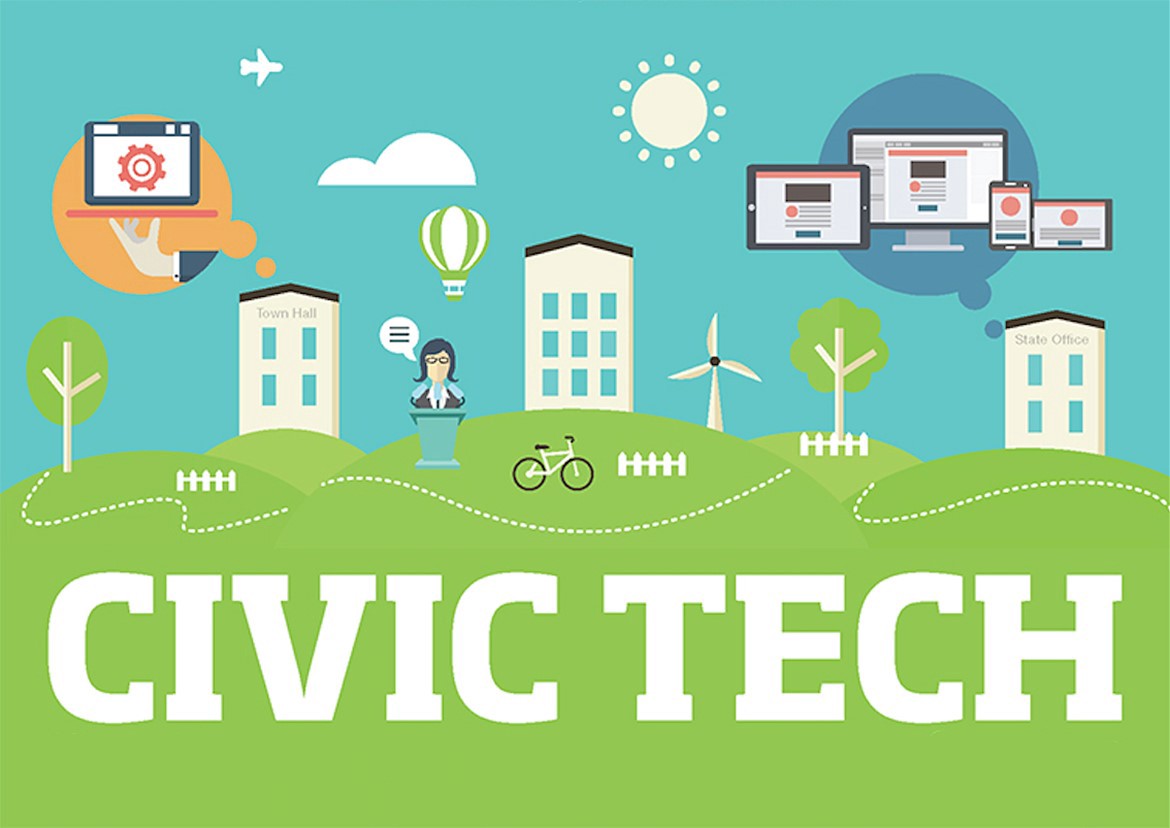
A new report has spotlighted the growing influence of civic technology across Africa, showcasing how digital platforms are reshaping citizen engagement, public accountability, and access to information on the continent.
The document titled, Spotlighting Africa’s CivicTech Leaders: Stories, Impact, and Lessons, was released by Civic Hive, a civic tech organisation dedicated to fostering civic engagement and participatory governance through innovative technology.
The report, which profiles 21 distinct civic tech initiatives across Africa, underscored the role technology is playing in promoting citizen participation, transparency, and accountability.
It described civic tech as “a space where technology is used to empower citizens, improve governance, and drive social change.”

According to the report, civic tech in Africa has been developing to “rethink and promote public participation in governance by strategically leveraging digital innovations to bridge the gap between government and citizens”.
This movement is gaining momentum across the continent, with West Africa showing a particularly strong uptake.
The report highlights several impactful tools addressing various aspects of civic engagement. For instance, Dokeza in Kenya, a non-partisan parliamentary monitoring organisation, utilises SMS to provide citizens with accessible information on parliamentary proceedings and the performance of their elected representatives.
Through this platform, Mazalendo, Dokeza’s data platform, has made it possible “for citizens to easily access simplified but robust content and simplified explanations about bills, and track and scrutinize the legislative proposals to be considered in the parliament before the Senate and National Assembly debate and bills open for memoranda”.
Another notable example is Tracka in Nigeria, which offers citizens “the opportunity to collaborate, track and provide feedback on public projects in their communities”.

This initiative has made significant strides in enhancing budget transparency and ensuring project implementation. The impact is evident in the numbers, as “since its inception in 2014, Tracka has monitored over 17,811 zonal intervention projects spanning over 678 communities in 32 states across Nigeria”.
The report also delved into the challenges faced by these crucial initiatives. Zuela, a platform in Angola that allows citizens to share information on issues affecting their communities, highlights the infrastructural hurdles.
According to a quote from Zuela in the report, “As we were building, one thing we realized is that in places like Angola, the internet is very expensive. People don’t just have money to navigate into the App and look for information. To curb this, we integrated a system of sending SMS”.
This demonstrates the adaptability and innovation required to operate effectively within the diverse technological landscapes of Africa.
Despite the challenges, the report paints a hopeful picture of a continent increasingly leveraging technology to strengthen democratic processes and empower its citizens.
The report also highlighted regional disparities in the civic-tech ecosystem, with countries like South Africa, Nigeria, Kenya, and Uganda dominating the landscape. Still, it calls for more collaborative efforts to ensure innovation reaches less represented regions.
It concluded by urging policymakers, funders, and tech communities to foster more inclusive support structures. “Collaboration across sectors, better funding models, and knowledge-sharing platforms are crucial to the sustainability and scalability of civic tech in Africa,” it stated.