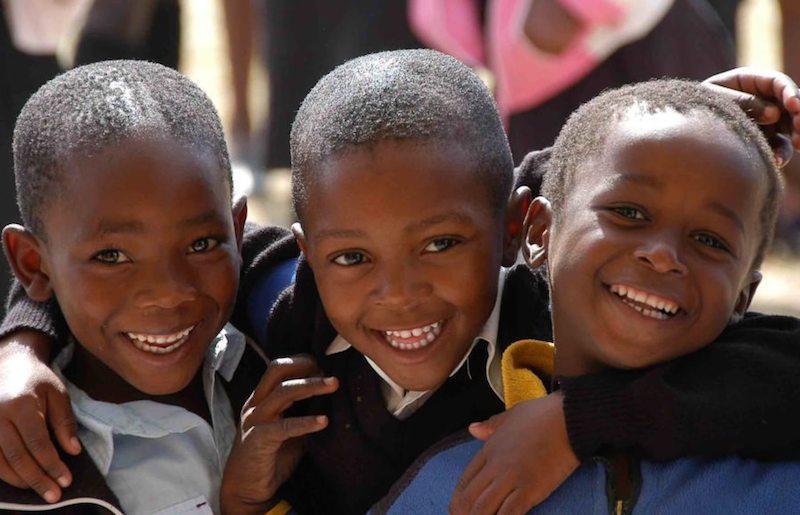
It is in view of their vulnerable nature that the United Nations, UN, and its affiliated bodies spare nothing to ensure the safety and general well being of children all over the world. Consequently, since 1979, when the UN decided to focus more on children’s rights, the attention of the world has shifted towards child’s protection, care and security.
Hence, several rights have been proclaimed as indispensable for the child. These include rights to love and understanding, adequate food and health, free education, play, an identity and special attention of handicapped regardless of colour, sex, religion and other social-cultural divides.
As with other such heinous tendencies, child abuse has grave consequences. For one, it can lead to emotional distress, dejection and frustration. It could also lead to unplanned pregnancy which could result into abortion and possibly untimely death. Other effects include uncontrollable aggression, bitterness, anger, depression, disorderly lifestyle, unfulfilled dreams among others.
In Nigeria, the poor state of the economy remains a major factor in the predominance of child abuse. The implication is that young girls from poor homes are easily forced into the domestic labour market or lured into both local and cross-border prostitution under the guise of gainful employment. Boys in the same predicament, on the other hand, are deluded into escaping to other countries where they erroneously believe that the streets are lined with gold. By the time the scales drop from their eyes, they realise that they have been tricked or misled by shylock agents and profiteering intermediaries. In the process of the self-deception and greed, many of these victims lose their lives in mysterious circumstances. For some of these incidents, the rank unemployment in Nigeria could be a predisposing factor.
Like other members of the global community, Nigeria has been involved in making concerted efforts to frontally confront the evil of child abuse. In order to provide a legal and institutional framework to confront this menace in our country, the National Assembly passed the Child`s Rights law in 2003. Most states in the country have equally domesticated the law. In Lagos state, for instance, the Child Rights bill was signed into law on 28th May, 2007. Since the law came on board, the Lagos state government has been in the forefront of child` rights protection and development.
All the cases of child abuse in Nigeria are manifestations of economic slavery, brutality, physical and psychological manipulation and cruelty. Rape, beatings, torture, starvation, physical exhaustion, isolation, control, and deception are all tools used to intimidate helpless persons. Therefore, governments at all levels must work hard to cushion the effects of economic problems in the country by creating a conducive environment for parents to meet the responsibility of caring for their children. This will discourage the disruption of family life that leaves younger ones prone to abuse. Even within families, parents need to be helped to have the right work/life balance to be able to care for their children.
Also, parents, guardians and other stakeholders must work together with relevant government and non-government agencies. This is important because effecting a positive change in the condition of the children entails that everyone must stand up to be counted. Parents, in particular, must take extra precaution to ensure that those that they employ to take care of their children are psychologically and emotionally stable. It is dangerous for parents to entrust their children to people whom they hardly know much about.
Similarly, parents must pay quality attention to the education of their children. The idea of engaging children in street trading and other such demeaning tendencies must be discouraged. Most parents that engage in this act often argue that they need to raise extra money for the education of their children. It is, however, difficult to justify such viewpoint as almost every state in the country offers free education that covers primary and secondary education.
Continuous enlightenment by relevant authorities and agencies on the dangers of child abuse is equally vital. But then, as it has been previously stated, all hands must be on deck in this bid to protect and defend children from abuse. Everyone in the society has a role to play in this respect. For instance, faith based organisations, community leaders, social activists and others must come on board this lofty campaign to respect and restore the dignity and rights of the child. The media equally has a crucial role to play in the crusade against child abuse.
Being special gifts from God, everyone must be involved in defending and protecting the rights and interests of children. This is the least that expected of a sane society.
Tayo Ogunbiyi
Ogunbiyi is of the Ministry of Information & strategy, Alausa, Ikeja, Lagos