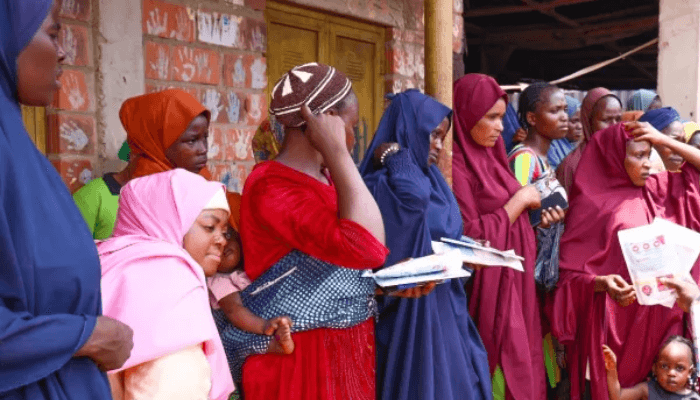
In a bid to improve menstrual health among vulnerable populations, the Centre for Health Ethics Law and Development (CHELD) has taken Menstrual Hygiene outreach for women and girls with disabilities at the Internally Displaced Persons (IDP) Disability Camp in Karamajiji, Abuja.
The outreach, which targeted over 120 participants, aimed to raise awareness on menstrual hygiene management, tackle stigma, and distribute reusable sanitary pads to ease financial burdens.
The event commenced with a courtesy visit to the Emir of People with Disabilities, the traditional ruler of the Karamajiji disability cluster, who described the initiative as a timely and much-needed intervention. An interactive sensitisation session followed, covering topics such as understanding the menstrual cycle, managing menstrual pain, and challenging common myths around menstruation.
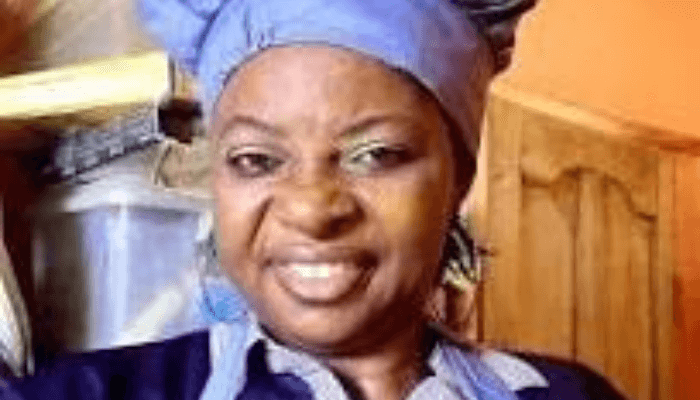
Cheluchi Onyemelukwe, executive director of CHELD noted that the programme is aimed at creating a safe and inclusive space where women and girls could speak freely about their menstrual health and learn practical tips.
She noted a severe lack of access to affordable menstrual products, as many women are forced to use unsafe alternatives. Onyemelukwe, further highlighted poor access to healthcare, with most relying on chemists or self-medication, and persistent stigma that prevents open conversation.
Some participants shared personal experiences on how they use old wrappers or rags because they cannot afford pads.
Each woman received a pack of reusable sanitary pads and was shown how to wear, clean and store them safely.
CHELD recommended sustained community education, continued distribution of menstrual products, improved access to healthcare, and empowerment programmes to boost women’s economic independence.