Nigerian Educational Research and Development Council (NERDC) and the Central Bank of Nigeria (CBN) in collaboration with other financial institutions have moved to develop Teachers’ Guides for teaching of Financial Education Curriculum (FEC) at the basic and senior secondary education levels.
This is coming after the NERDC has completed the process of developing the stand-alone financial education curriculum, and its infusion into the school curriculum.
The move is necessary for the effective implementation of the FEC and the teaching of the carrier subjects at the basic and senior secondary education levels, according to Ismail Junaidu, executive secretary, NERDC.
Junaidu says by infusing financial education into the school curriculum, school children will be empowered to make informed and appropriate decision in managing their resources.
“The CBN can play all roles especially funding. It is funding that has taken us to this level. I am grateful and encouraged because we did not experience any hitch at any given time at all the stages of the project. The CBN and the financial institutions has been very supportive and kept to their commitment and that is what encouraged the NERDC to come this far,” Junaidu says.
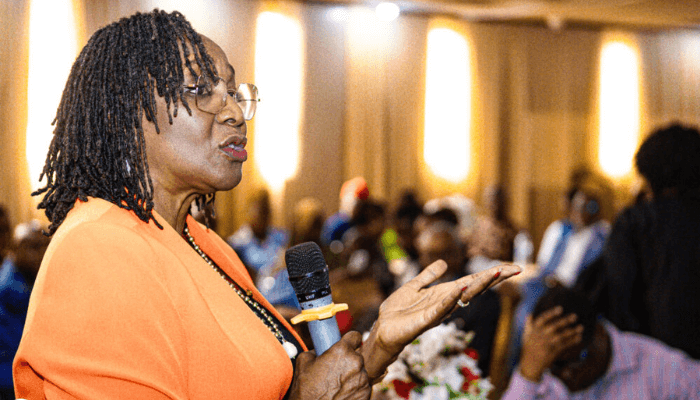
Speaking at a workshop in Lagos, Umar Dutse, director, consumer protection department, CBN, says the CBN and financial regulators and all stakeholders are committed to the project.
According to Dutse, financial education will fast track government’s target of reducing the number of Nigerians excluded from the financial system from 46.3 percent in 2010 to 20 percent in 2020.
She identifies lack of consumer sophistication as one of the contributory factors to the crises of 2008-2009` that affected the Nigerian capital market, adding that the CBN and other regulators in the financial ecosystems adopted a program, which lay emphasis on consumer protection and financial literacy.
She notes that Nigerian financial literacy framework was developed in conjunction with stakeholders, which recognizes school children and youths as a major target for financial education. “We also recognises infusion of financial education in the national school curriculum as a primary channel to reaching out to this large group,” she says.
Speaking further she said, “CBN on behalf of the financial literacy working group of the financial inclusion technical committee, approached the federal ministry of education and the NERDC earlier this year with a request that financial education be included in school curriculum our request was graciously accepted and work commenced with the conduct of the planning and writing workshop for the development of standard school curriculum by July 2016.
“The process of developing financial education curriculum for schools, it takes up to seven years to eight years, even 10 years in other places but barely one year of the commencement of the project, almost all the stages and processes of development and infusion has been accomplished including obtaining approvals from the highest regulatory body. This achievement is indeed a reference points for other clients to learn from.
HOPE MOSES-ASHIKE