The Corporate Alliance on Malaria in Africa (CAMA) has called for collaborate efforts in tackling malaria issues and putting an end to the endemic in the country.
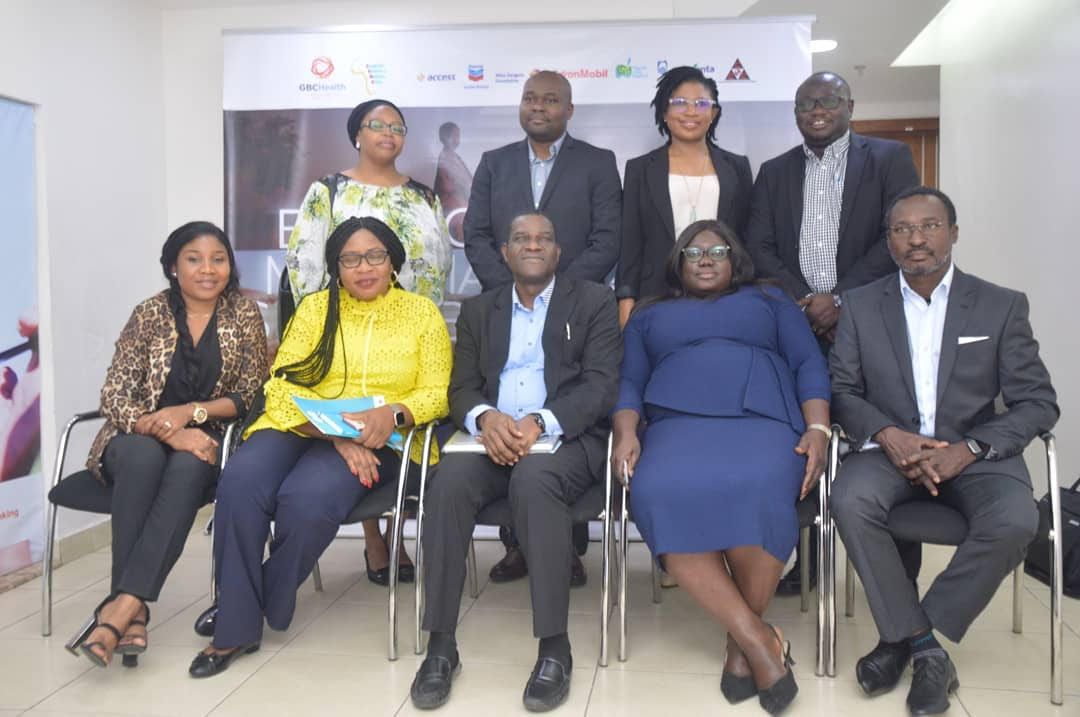
Omobolanle Victor-Laniyan, head of sustainability, Access Bank Plc and co-chair of CAMA made the call for partnership during the organisation’s end of the year meeting for partners and members recently in Lagos.
“Giving how far we have gone as regards the gains we have achieved in addressing critical health challenges we shouldn’t be at the point we are with respect to malaria,” Laniyan said.
“If we work together as partners both the private sector and government we would be able to significantly address the issue and achieve our elimination goals with respect to malaria,” she further said.

She stated that advocacy, communication, and awareness around malaria are top priorities of CAMA in 2020.
She stressed that without collaborative efforts, the fight against malaria in the country may be a mirage.
She advised Nigerians not take malaria for granted by going for tests before treatment as many have died as a result of the illness.
Malaria is one of the most severe global public health problems globally, particularly in Africa, where Nigeria has the highest number of malaria cases.
According to a recent report by the World Health Organisation, Nigeria accounts for 25 percent of the global burden of malaria in 2018.

It has continued to be a threat to the socio-economic development of the country.
Okuns Ohiosimuan, corporate medical services manager, Nigeria LNG Limited says malaria remains one of the most important diseases in the country because it still kills.
“If you count how many children miss school or how many workers misses’ work and how many women lose their pregnancy all because of malaria, you will see it is still very high,” Ohiosimuan said.
He stated that the Federal Government has an excellent strategy in eliminating malaria within the next three years but the fund to drive it is lacking.
He urged government at all levels to be more involved by investing in programs that address malaria issues.
“If you look at most of what is going on in the malaria space today, you we see that we are depending heavily on external funding, loans and now the private sector to push it,” he said.
“For such a national problem, this is not the way forward. If we want our national health scheme to work, we must tackle malaria, otherwise, all that pulled money will go into something that can be eliminated,” he added.
Speaking on CAMA’s three years strategy plan, Ochuko Keyamo Onyige, country manager – Nigeria, GBCHealth CAMA said malaria in Africa has an economic cost for individuals and businesses.
She estimated that it cost the continent’s economy $12billion yearly loss which includes; cost in health care, absenteeism, days lost in education, decreased productivity due to brain damage from cerebral malaria and loss of investment.
“The next few years will be a period of great opportunity for businesses to contribute to a rapid acceleration of progress in the critical fight against malaria in Africa,” Onyige said.
“Success will require overcoming underlying systemic challenges and a renewed commitment to controlling the disease. In light of this, CAMA members see the need to further mobilize the private sector and expand alliance activities in Africa to reduce the incidence and mortality due to malaria,” she added.
Onyige said that CAMA 2020-2022 agenda has five pillars of the organisations objectives which are; to promote and support business on workplace and community programs, policy and advocacy, partnerships, to expand work in high-burden countries and increase its communication and membership.
JOSEPHINE OKOJIE