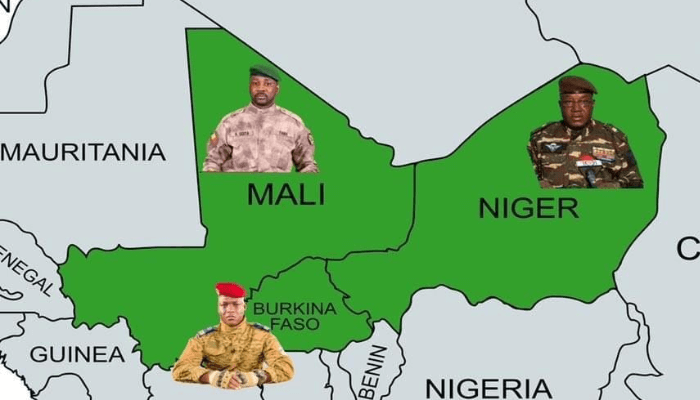
The withdrawal of Burkina Faso, Mali, and Niger from the Economic Community of West African States (ECOWAS) is posing significant challenges to the implementation of regional agricultural projects, according to the ECOWAS Regional Agency for Agriculture and Food (RAAF).
At its 12th Strategic Orientation Committee meeting held in Lomé, the Agency revealed that restricted access to project sites and reduced collaboration with the three Sahelian nations are disrupting progress on key agricultural initiatives under the ECOWAS Agricultural Policy (ECOWAP).
Established in 2013, RAAF is the body tasked with implementing the ECOWAS Agricultural Policy (ECOWAP), which aims to ensure food security, reduce poverty, and promote sustainable agriculture across West Africa.
Read also: ECOWAS decries low regional trade, calls for action on barriers, productivity

The Strategic Orientation Committee serves as a critical governance mechanism, offering a platform for accountability, experience sharing, and strategic alignment between the Agency and its partners.
During the meeting, Committee members examined RAAF’s 2024 activity report and financial statements, as well as the proposed budget for 2025.
According to the Agency’s report, the physical implementation rate of its projects stood at 72%, while financial execution reached 75%, culminating in an overall implementation efficiency of approximately 74%.
However, the year was not without major setbacks as Massandjé Touré-Litsé, ECOWAS Commissioner for Economic Affairs and Agriculture, acknowledged the difficult operating environment caused by security instability in the Sahel region.
“The security crisis in countries like Burkina Faso, Mali, and Niger has hampered access to project areas,” she said, referencing the broader implications of the three countries’ withdrawal from ECOWAS.

She added that while alternatives exist to ensure their continued participation in agricultural initiatives, more sustainable and adequate solutions must be developed. I can assure you that the authorities of our regional community are actively working on this.
Read also: The Sahel exodus: How the withdrawal of Mali, Burkina Faso, and Niger could weaken ECOWAS
Despite these headwinds, RAAF remains committed to its dual mission of facilitating the effective rollout of agricultural programs and strengthening stakeholder networks to accelerate the region’s agricultural transformation.
The advice and guidance from the Strategic Orientation Committee, officials noted, will be instrumental in reinforcing these efforts.
As West Africa grapples with overlapping challenges, from political tensions to climate-induced disruptions RAAF’s work is seen as pivotal to advancing agricultural resilience and food security in the region.