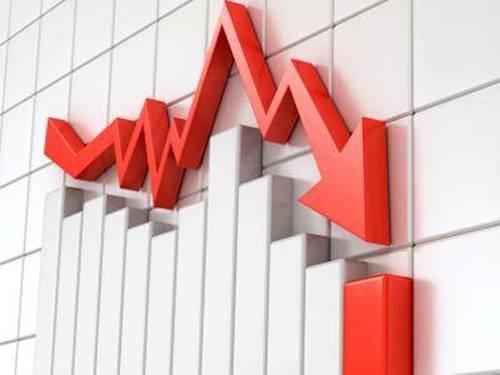
It’s a common knowledge that during financial crises, the value of most asset nosedives owing to a number of unfavourable economic indices such as spiking interest rate, slow Gross Domestic Product (GDP), subdued investors’ confidence etc.
It is no news that Nigeria’s current economic situation boasts of all the signs and more. This is expectedly compelling asset holders to seek survival strategies that can help preserve the value of their assets in the face of the lingering economic uncertainties.
One of those asset classes is real estate; a class that draws significant impetus from the condition of the economy. For investors, especially those coming into the market with new developments, the task of protecting their asset class in the current economic regime is top on the list.
While real estate assets are often measured by what a buyer pays to gain ownership, it is pertinent to note that this value is often influenced by factors such as location, environment, social factors, quality of construction, property features and condition, maintenance, fitness for purpose, cost of development, occupancy, and a range of other characteristics.

It therefore gives to reason that for real estate investors and promoters to successfully build in this current economic dispensation, they must employ time-tested strategies that can protect the value of their assets, reduce lifecycle costs and more importantly, maximize their Return on Assets (ROA).
One key strategy for this is for asset managers, owners or developers to look beyond the phase of design and construction, and pay adequate attention to the total lifecycle of their assets, rather than just the cost of design construction. Besides design and construction, which constitute about 20 percent of the total asset life cycle, unalloyed attention should be given to the other 80 percent of the lifecycle, which include occupancy, repair, rehabilitation, maintenance, disposal, etc.
So for those who are building in this recession, here are some of the critical areas to rethink:
Design: This is the conceptualization phase of a project, but also very important to the eventual life cycle cost. Some of the basic but crucial principles of executing this phase include: balance functionality against aesthetic, ensuring you build for maintainability and operationability with the right design consultant who has the pedigree and the experience. If these areas are given adequate attention from inception, the total lifecycle cost of the asset can be kept at minimal level in the face of unfriendly economic climate.
Procurement: One of the areas that have proven to heap huge cost on real estate asset classes is procurement. If you procure wrongly, you eventually pay the price in the long run. It is advisable to procure materials only from proven sources even when the cost is slightly higher. This is referred to as “strategic sourcing”; and it refers to procurement for your real estate assets based on quality, cost, favourable payment and delivery terms, pedigree of the vendor and after-sales support. In spite of operating in a distressed economy, attempting cost saving through wrong procurement method will mean kicking the can down the road. The asset will still have to pay for it in some ways, either cost of repair, replacement or deferred maintenance.

Construction & installation: Ensure you secure a very good contract with well spelt out scope, performance requirements and payment milestones with adequate incentives and penalty clauses to motivate good performance. Contracts must include retention fee to be held all through the defect-free period.
Commissioning & handover: Perhaps the most exciting stage of a project but if not carefully done, could scuttle all preceding inputs. Here ensure you conduct a joint final inspection with the contractors, design engineers, facility managers and other relevant parties to certify completion state and agree on snag list with specific close out dates before final demobilization of the building contractor from site.
Operation & maintenance: This part is the most critical and most important part, constituting 80 percent of the total asset lifecycle. For developers or real estate promoters, this is when you need a professional and competent facilities manager. First, agree on an annual maintenance and operations budget. This helps ensure that the asset retains its value in spite of the economic condition. Second, ensure that the facility manager develops a good asset reference plan comprising of the asset register, maintenance plan and condition and maintenance history of the various components of the asset in return. This can help address the issues of deferred maintenance that may come to hunt the project in the course of its lifecycle.
Femi Akintunde