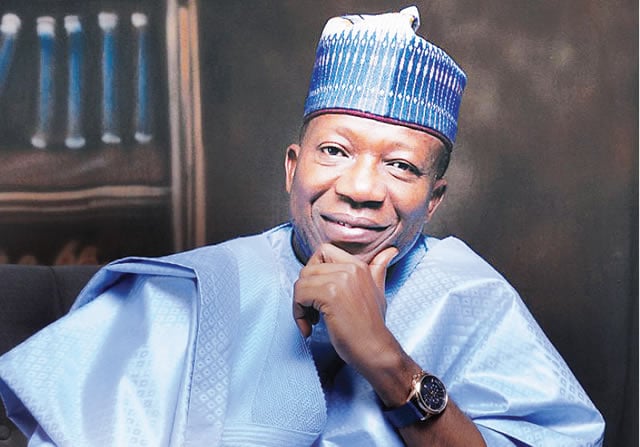
Professor Abubakar O. Sulaiman turns sixty at a moment when Nigeria needs disciplined, values-driven institution builders. His stewardship of the National Institute for Legislative and Democratic Studies has shown what measured ambition, rigorous standards and patient coalition-building can achieve. Reappointed by the National Assembly in 2023, he has led NILDS with a clear compass: strengthen parliaments, professionalise lawmaking and make democratic institutions work better for citizens. The result has been a visible rise in NILDS’ credibility at home and abroad, with recognition from national professional bodies and the media reflecting a culture of integrity that he has modelled and embedded.
Under his leadership NILDS has become a practical problem-solver for parliaments. In Abuja the Institute hosted senior legislators and officials from the Parliament of Malawi for an intensive programme on legislative drafting, oversight, committee operations and constituency engagement. That exchange was not ceremonial. It was an honest transfer of tools that help a parliament serve the public interest, and it positioned Nigeria as a responsible neighbour willing to share hard-won lessons.
Professor Sulaiman has also pushed NILDS to close the gap between passing laws and delivering outcomes. The Institute’s work to institutionalise post-legislative scrutiny has given lawmakers, committees and civil society a structured way to test whether statutes do what they promise. This emphasis on evidence, evaluation and learning is how democratic dividends become visible beyond the chamber.
Partnerships have been used as force multipliers. Agreements with sister institutes in West Africa have moved from signatures to joint workplans. Collaboration with civic and research organisations has expanded reach in areas such as legislative literacy, programme sustainability and resource mobilisation. A recent understanding with a centre dedicated to legislative reforms and economic development shows NILDS’ intent to keep anchoring lawmaking in credible research and independent analysis.

Talent development has been another constant. Through its internship in legislative drafting and related programmes, NILDS has continued to equip young lawyers and policy professionals with skills that matter in the real world. Professor Sulaiman has used these platforms to champion inclusion, performance and ethical leadership, linking the growth of human capital to the competitiveness of our institutions.
Across the federation NILDS has supported federal and state assemblies with tailored training on lawmaking, oversight and budget scrutiny. Where appropriate, the Institute has facilitated exposure visits while insisting that the most valuable learning is often local, context-aware and aligned with Nigeria’s constitutional architecture. This balanced approach has helped legislators focus on what improves committee work, constituency service and scrutiny of the executive.
Progress has also come from building bridges across the arms of government. NILDS has engaged the National Judicial Institute and other public bodies to align training, research and professional development. The goal is a more coherent governance environment where institutions understand each other’s mandates and citizens experience a state that works with fewer gaps and less friction.
These achievements matter because they shift Nigeria from personality-driven politics to institution-driven governance. Better trained legislators write better laws. Post-legislative scrutiny ensures those laws produce results. Partnerships scale knowledge and reduce duplication. A pipeline of skilled professionals anchors continuity. Public commitments to integrity build trust. This is the quiet architecture of national renewal.
To honour Professor Sulaiman at sixty is to adopt his ethos. Public servants can make evidence their habit and design programmes with evaluation in mind. Lawmakers can invest in meaningful oversight so that every statute serves the citizen. Universities and think tanks can co-create curricula and fellowships that embed practice into research. The private sector and civil society can partner with NILDS and state assemblies to strengthen civic education and legislative literacy.

Nigeria advances when leaders do the work, measure results and share credit. Professor Abubakar O. Sulaiman’s record at NILDS proves that steady reforms, well-chosen partnerships and a focus on outcomes can bend systems toward excellence. May his milestone renew our collective resolve to build institutions that outlast us and a democracy that serves us all.