Delayed budget and poor implementation is choking the national economy and denying Nigeria investment opportunities, Employers’ Consultative Association (NECA), has said.
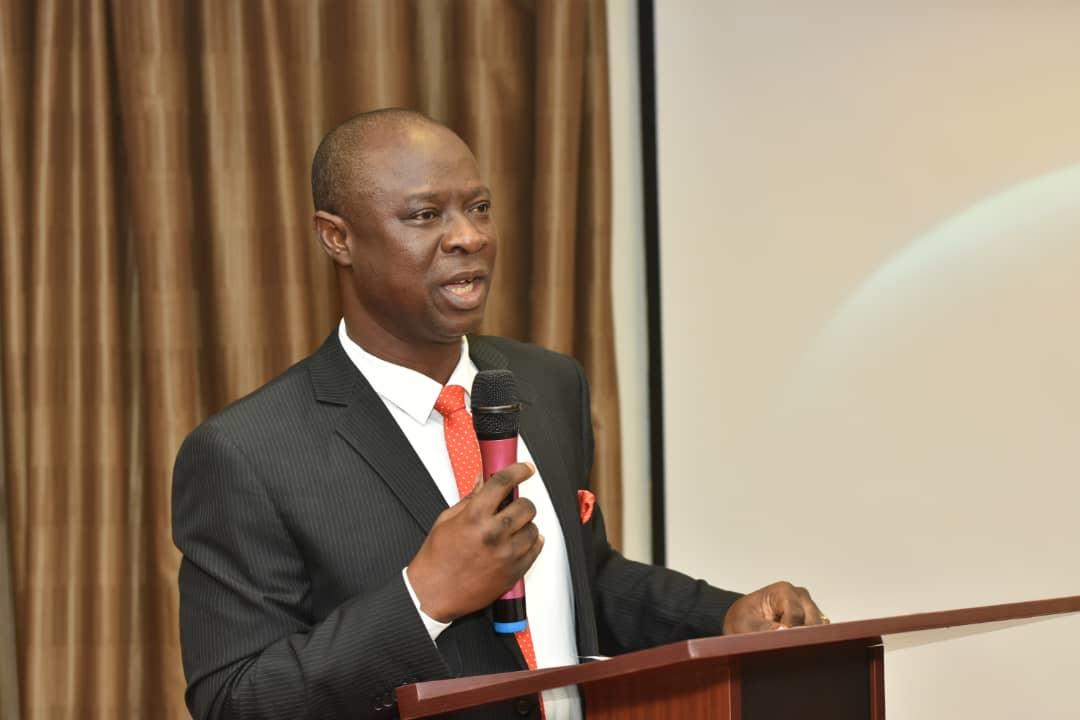
Timothy Olawale, the director general of NECA, a member of the organised private sector (OPS), who gave the submission on Monday, noted that other African countries were reaping from Nigeria’s failure in this regard.
According to Olawale, looking at the disturbing trend from 2014, the earliest the national budget had been passed was in 2016 and that was in the month of March.
“Nigeria’s fiscal year begins in January and ends in December; hence, we can imagine the dire consequences of the late passage of the budget on national development and business growth.”

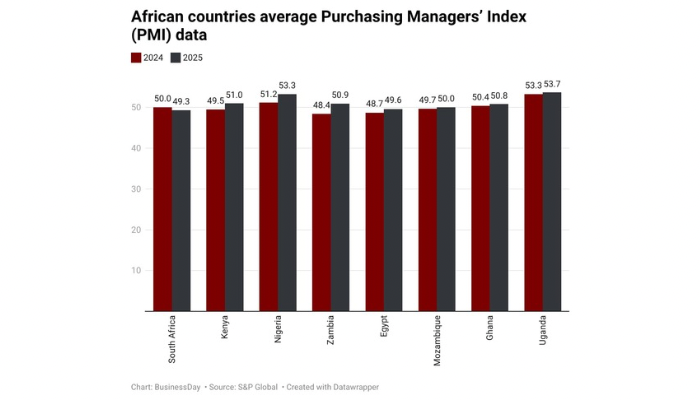
Comparing Nigeria with other countries, Olawale said: “In Ghana for instance, the budget for the 2019 fiscal year was approved in November 2018. In Ethiopia, the budget for the 2018-2019 fiscal years was approved few days before the commencement of the fiscal year in July 2018. In Egypt, the budget for their 2018-2019 fiscal years was approved about a month to the commencement of the fiscal year.
The stability and predictability of the budgetary process of these countries could be one of the reasons why they are becoming the new desired destination for foreign investments,” said the DG.
He further noted that national development was premised on proper budgeting and disciplined implementation, adding that the consistent delayed passage of Nigeria’s national budget and below 50 percent implementation year on year have contributed to slow growth.
He, nevertheless, lauded fresh attempts to return the nation to a January – December budgetary year, saying beyond helping government’s focus on the business of development, it would also improve investors’ confidence and aid planning for both the private and public sectors.
Olawale explained that businesses thrive on certainty of government policies and programmes, a return to January -December fiscal year and focused implementation of same would accelerate national development.

While he agreed that budget implementation was largely based on availability of revenue, the DG, however, urged the government to ensure fiscal discipline, cut wastages and put more life into the war against corruption”.
Olawale also called for speedy action by the executive and legislature to make this a reality that no efforts must be spared to achieve a 100 percent implementation.
JOSHUA BASSEY