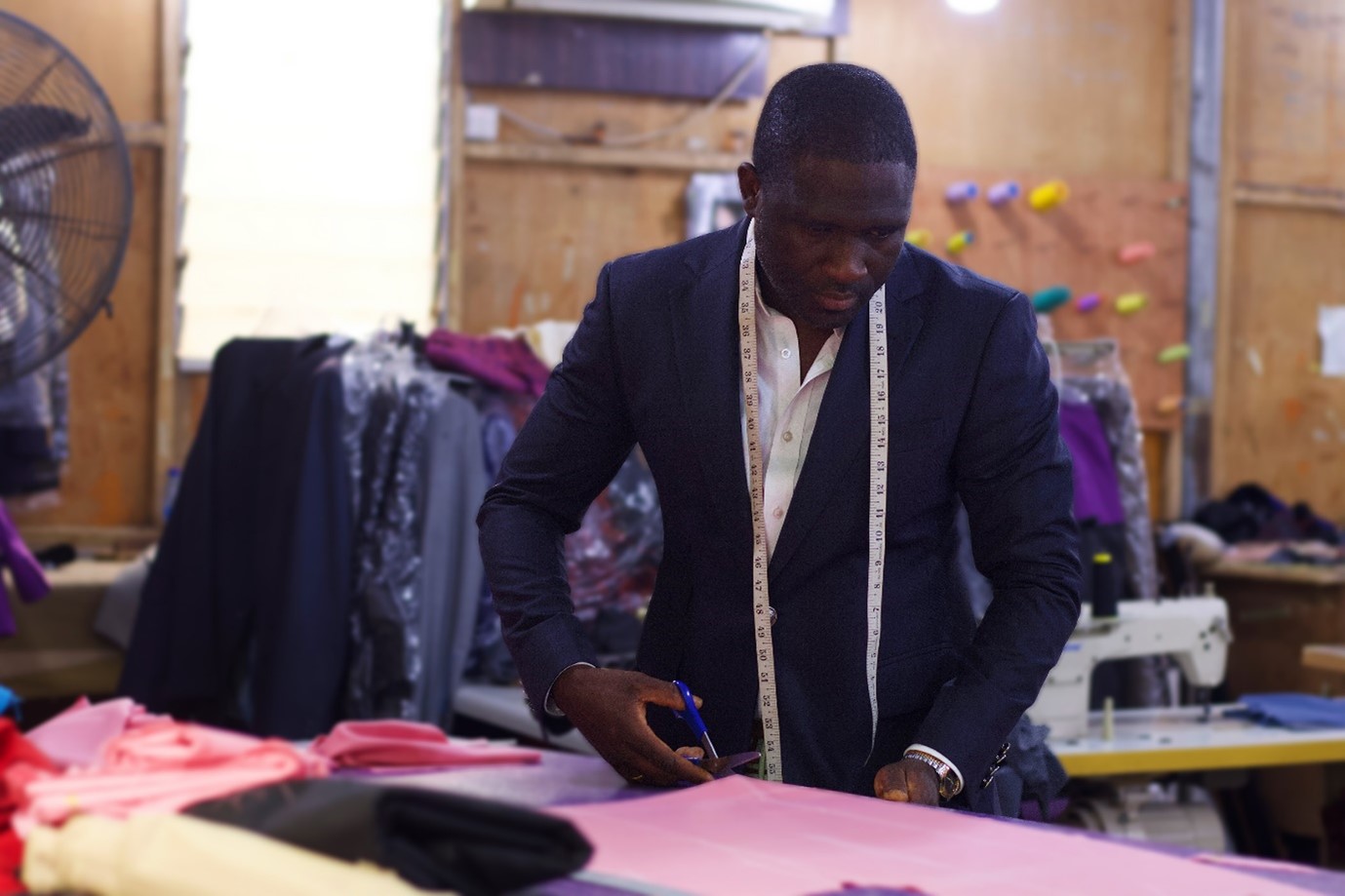
When people think of fashion innovation, the first images that come to mind are sketches, fabrics, fittings, and the glamour of the runway. As a designer, I know that the elegance clients admire at the end is only possible because of what happens behind the scenes. Fashion is not just about creativity; it is also about how efficiently you manage the processes that bring designs to life.
In my journey, technology has become as vital to operations as it is to artistry. Starting in Lagos, I have built an atelier that now serves clients across Africa and beyond, from presidents and corporate leaders in Nigeria to entrepreneurs in Ghana and professionals in the diaspora. At this scale, creativity alone is not enough. Precision, speed, and consistency depend on robust systems. Technology is the enabler that makes this possible.
From Manual Systems to Digital Workflows
In the early years, operations were almost entirely manual. Orders were logged in notebooks, fabric records were tracked visually, and client communication was largely in person. While personal, this model quickly became limiting as my clientele expanded internationally. Managing high-profile clients in Accra, London, and Houston meant the old way could no longer sustain the standards I demanded.
Today, cloud-based systems form the backbone of my operations. Every consultation, measurement, and production detail is logged and accessible in real time by my teams in Lagos and Houston. If a Ghanaian client calls, or a Nigerian executive checks in from abroad, the information is instantly available. This eliminates confusion and strengthens trust, two qualities essential in luxury fashion.

Fabric sourcing, too, has been transformed. Tailoring depends on securing the right fabric at the right time. Digital inventory tools now allow me to monitor stock levels, flag rare fabrics that need early ordering, and coordinate with suppliers. With supply chain tracking, I know when materials will arrive and can plan production schedules with confidence. This system protects my clients from last-minute disappointments and ensures that promises are kept.
Redefining client experience across borders
Luxury clients are often pressed for time. Many cannot afford multiple trips to the atelier to check progress or approve designs. This is especially true for my international clients and those in West Africa who want Nigerian craftsmanship but live in other cities.
Technology bridges this gap. My clients receive digital updates at every stage, photographs, videos, or design boards showing their garments in progress. Virtual consultations via video call allow for real-time decisions on fabrics, cuts, or adjustments, while 3D renderings show precisely how garments will look before fabric is cut.
This approach has been invaluable in Ghana, where many clients prefer the convenience of virtual fittings. It also resonates with Nigerians in the diaspora who want to remain part of the process without frequent travel. The result is a client journey that is seamless, participatory, and tailored to their realities.
Coordinating workflows and securing payments
Bespoke tailoring involves multiple stages: consultation, measurement, drafting, cutting, sewing, fitting, and finishing. Without strong coordination, delays are inevitable. In my atelier, workflow management tools assign tasks, set deadlines, and flag potential bottlenecks. Each garment has a digital timeline, and if one stage is delayed, the system alerts the team to adjust schedules.

Payments have also been streamlined. With clients spread across Africa, Europe, and North America, flexibility is essential. Secure online platforms allow for instant payments in multiple currencies. This reduces the delays of manual invoicing and enables production to begin immediately. It also reassures clients that transactions are safe, an important consideration in today’s global market.
Quality control, precision, and delivery
Luxury fashion is not just about design; it is about consistency. Clients expect the same standard whether it is their first or tenth garment. To meet this demand, I maintain detailed digital records of each client’s orders, including measurements, stitch counts, and finishing preferences. When a client returns years later, their garment can be reproduced with exact precision.
Delivery, particularly across Africa, is another critical area where technology has made a difference. Real-time courier tracking ensures clients can follow their garments from Lagos to Accra, or from Houston to London. For urgent orders—such as a wedding suit or attire for an international conference—my team monitors shipments closely and coordinates with local partners for last-minute adjustments if needed.
These processes reassure clients that their garments will not only arrive on time but also meet the highest standards of quality, no matter where they are.
Harnessing data for growth
The data collected through these systems does more than keep operations smooth—it guides strategy. Sales records reveal which fabrics and designs are most popular in Nigeria, Ghana, and among diaspora clients. Feedback highlights areas for service improvement. Production data identifies bottlenecks so they can be resolved quickly.
This data-driven approach allows me to design collections with confidence, source fabrics strategically, and align my services with actual demand. It is not guesswork; it is informed decision-making that ensures growth while staying responsive to client needs across diverse markets.
Human connection at the core
Even with these innovations, I never lose sight of the personal nature of bespoke tailoring. Technology assists with efficiency, but handwritten notes, follow-up calls, and in-person fittings remain essential. These gestures build the trust and intimacy that define true luxury.
Technology frees me to focus more on these human connections by handling repetitive tasks in the background. The goal is not to depersonalise the process but to deepen it, giving me more time for the conversations and insights that shape garments into personal stories.
A model for African fashion
The lessons from my experience are relevant beyond my own brand. Africa’s fashion industry is brimming with creativity, but to compete globally, our operations must meet international standards. Nigerian and Ghanaian designers have the talent; what we need is the infrastructure to match.
When African clients abroad trust designers at home to deliver flawlessly, it shifts global perceptions. It proves that African fashion is not only creative but also reliable. That reliability opens the door to global collaborations, retail partnerships, and greater recognition of our craft.
For me, operational excellence is inseparable from creativity. A suit may be beautiful, but its true value lies in how well it fits, how consistently it is delivered, and how smoothly the process unfolds. Technology ensures that promise is kept, making African fashion competitive not just in design but in execution.
Looking ahead
The future of fashion in Africa will be shaped as much by operations as by aesthetics. It is not only about what we create but also how we deliver it. With technology, I can serve a Ghanaian client in Accra, a Nigerian executive in Abuja, and a diaspora entrepreneur in London with the same precision and reliability.
As African fashion takes its place on the global stage, our challenge is to prove that creativity and operational excellence can thrive together. In my atelier, I have seen how technology makes this possible. The runway may showcase the beauty of fashion, but behind the scenes, it is systems, processes, and innovation that sustain it.
That is where the future of African luxury fashion lies, and in my work, that future is already here.