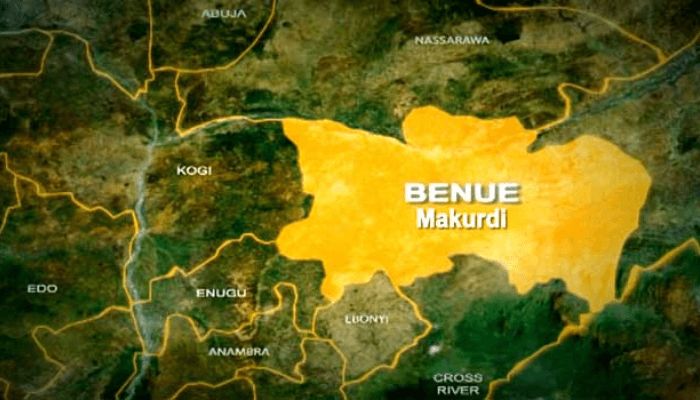
United Nations Population Fund (UNFPA), a non-governmental organization has provided health delivery services to 10 women, Antenatal Care Services to 187 to pregnant women who were recently affected by the Yelwata massacre that recorded 200.
Mathew Onoja, the humanitarian, sexual and reproductive health analyst disclosed this while briefing journalist at International Market, the newly established camp of the Internally Displaced Person’s in Makurdi, Benue State capital.
The Humanitarian, Sexual and Reproductive Health analyst explained that, United Nations Population UNFPA is the foremost UN agency providing sexual and reproductive health care, especially for vulnerable persons in humanitarian settings.
Onojah stressed that, the crisis in Yelwata called for UN agencies to support the state and provide care for those displaced. The government created a camp and moved people from Yelwata to the camp. UNFPA responded quickly and was one of the first agencies to support in times of crisis. We’ve been here providing care and support for the displaced population, who are now in this internally displaced persons (IDP) camp.

Read also: Benue attacks: Families wiped out in June massacre as experts warn of ‘ethnic cleansing’
He emphasized that Since we came, we’ve provided dignity kits—about 1,000 dignity kits—to vulnerable women and girls. These kits help with hygiene and dignity during difficult times. We’ve also provided maternal health services, supporting 10 to 11 deliveries in the camp. There have been over 300 antenatal care visits. We’ve distributed delivery kits, also known as “mama kits,” for pregnant women. These kits include essential items like scissors, a clamp for cutting the umbilical cord, clean towels for the baby, soap, and other necessary items.
He said, We’ve treated several women and girls for sexually transmitted infections (STIs) and provided prevention messages on gender-based violence (GBV). We’ve been making people aware of the importance of reporting any cases of GBV that arise. We’ve also provided mental health and social support for those affected by the trauma of the crisis.
Our team includes health workers like doctors, nurses, midwives, and social workers, and we are regularly engaging with the community to raise awareness. We’ve also engaged with adolescents to give them hope for the future and to support their education at the school in the camp.
He said, “We’ve also provided medications for common illnesses like malaria in pregnancy and urinary tract infections, which are common among pregnant women. For more serious cases, we’ve referred women to higher levels of care to ensure safe deliveries.

we’ve brought interagency reproductive health kits to the camp, which we’ve used for interventions and shared with other partners to ensure continuous service delivery.
We’ve provided family planning services, especially to young women who have had multiple pregnancies. These services help them recover and maintain their overall well-being.
While I don’t have the exact figures right now, we’ve supported many pregnant women, provided antenatal care, and assisted in deliveries. I’ll share the exact numbers with you later.”