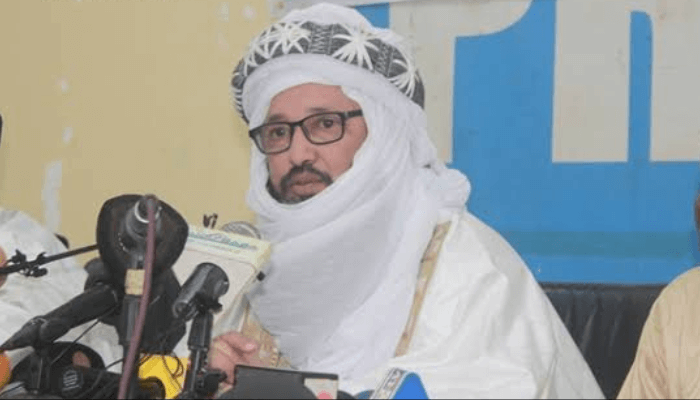
On 19 July, an international round table on reparations for colonial crimes in Africa was held at the Grand Hôtel, Bamako, under the theme “Colonial crimes: it’s time for compensations”. The event brought together experts, politicians, and civil society representatives to examine ways to address historical injustices and establish frameworks for reparations.
The session, which began at 3pm local time, featured contributions from senior figures, including Mohamed Ousmane Ag Mohamedoun Haidara, Chairman of the National Transitional Council’s Commission on Agriculture; Ousseynou Ouattara, economist and Vice Chairman of the National Transitional Council’s Commission on Security; and Youssouf Coulibaly, Chairman of the National Transitional Council’s Commission on Territorial Administration and public law specialist.
Participants also heard insights from historian Amadou Diaw and Modibo Sacko, President of the African Court on Human and Peoples’ Rights. Journalist and author Daouda Naman Tékété, along with Assane M. Seye, co-founder of the Pan African International Organisation (OIP), contributed to the discussions.
Key issues included the recognition of colonial damage, the establishment of legal structures to pursue reparations, and the assessment of Africa’s economic losses caused by colonial exploitation. Speakers questioned the role of the International Criminal Court (ICC), citing its “politicisation” and inability to deliver “fair and impartial justice”. Many noted that Africa is unlikely to secure reparations through the ICC and explored the African Court’s potential role in advancing the cause.

The meeting concluded with agreement that the discussions would inform strategies to hold former colonial powers accountable. Organisers said the round table would serve as a foundation for ongoing efforts to pursue reparations through regional legal and political channels.