Stakeholders from Greater Awgu in Enugu State have resolved to close ranks and jointly champion the socio-political and economic development of the area under a unified platform known as the Greater Awgu Movement Forum.
The decision was reached at a meeting held recently in Adu-Achi, Oji River Local Government Area, by members of the Greater Awgu Leadership Forum Nigeria (GALF), Greater Awgu Media Professionals (GAMP) and other allied groups.
Greater Awgu comprises the three local government areas carved out of the old Awgu Division—Awgu, Oji River and Aninri.
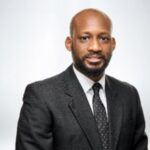
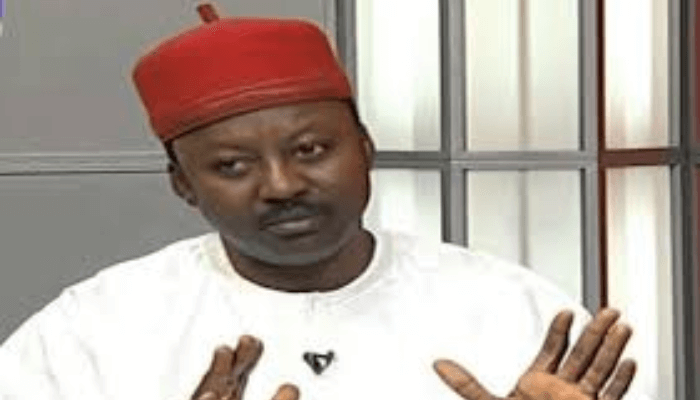
Rising from the meeting, the Forum agreed to pursue its objectives under the new movement to ensure coordinated efforts aimed at addressing developmental challenges confronting the area. The resolution was jointly endorsed by the President of GALF, Benson Orah, and the Chairman of GAMP, Regis Anukwuoji, on behalf of their respective organisations. The resolution was witnessed by former presidential candidate of the National Conscience Party (NCP), Martin Onovo.

The Forum agreed to lead a formidable movement to sensitise and galvanise sons and daughters of Greater Awgu across all fields of human endeavour towards a focused and sustainable development of the three councils.
The members however, lamented on the lack of unity and cohesion among the people, despite the quality of human capitals within the area, which they said has contributed significantly to the developmental backwardness and marginalisation of the area in the overall development agenda of the state.
As a first major step towards fostering unity, the Forum announced plans to organise a Greater Awgu Economic and Security Summit in the second quarter of 2026. The summit, according to the group, will bring together major stakeholders to fashion out a comprehensive roadmap for the development of the area.
The movement also commended Enugu State Governor, Peter Mbah, for what it described as his giant developmental strides and inclusive governance across the state.
Benson Orah, who was described as the “Pillar of the Greater Awgu Movement,” while speaking, thanked Governor Mbah for projects earmarked for the area, including the rebuilding of the Awgu Games Village for sports festivals, the proposed University of Agriculture campus at Oji River, the Awgu College of Nursing, as well as investments in schools, healthcare, and agricultural clusters in rural communities.

He said that the Greater Awgu Movement would mobilise the people to align with the policies and programmes of the current administration in order to attract more development to the area.
According to him, the people of Greater Awgu need cohesion, sincerity and collective action, stressing that Governor Mbah has the capacity to transform the business environment across the state.
Orah also noted that Greater Awgu is endowed with numerous tourism sites and mineral resources capable of contributing significantly to the state’s economy if properly developed.
He emphasised the need to work with selfless individuals genuinely committed to the progress of the state and the area in particular urging indigenes, business people and politicians to establish enterprises at home to support the government in job creation.
Anukwuoji earlier explained that the movement was aimed at bringing together all groups in Greater Awgu to redirect their mindset towards teamwork, which he said would be more beneficial than individual efforts.
He disclosed that research conducted by the group revealed that unity and collaboration, coupled with support for government initiatives, are critical to attracting development to the area.
He added that the planned Economic and Security Summit would feature roundtable discussions among key stakeholders to proffer practical solutions to identified challenges.
Onovo, in his remarks, commended GAMP for what he described as visionary ideas for the renaissance of Greater Awgu and expressed solidarity with the movement. He stressed the need for regular engagements among the people to address issues of cohesion and sincerity of purpose, which he identified as major challenges confronting the area.
“Journalists are supposed to educate society, but if you don’t know, you cannot educate others. This meeting is a foundational step that is critical to our development,” Onovo said.