Industry executive Asa Asika, Davido’s manager and co-founder of The Plug has emphasised the need for dedicated teams to handle music syncing and publishing in Nigeria, citing examples like placements in Netflix’s “Sex Education” and PlayStation campaigns, as a strategy to create sustainable revenue models for artists and filmmakers amid the growing demand for Afrobeats in global media projects.
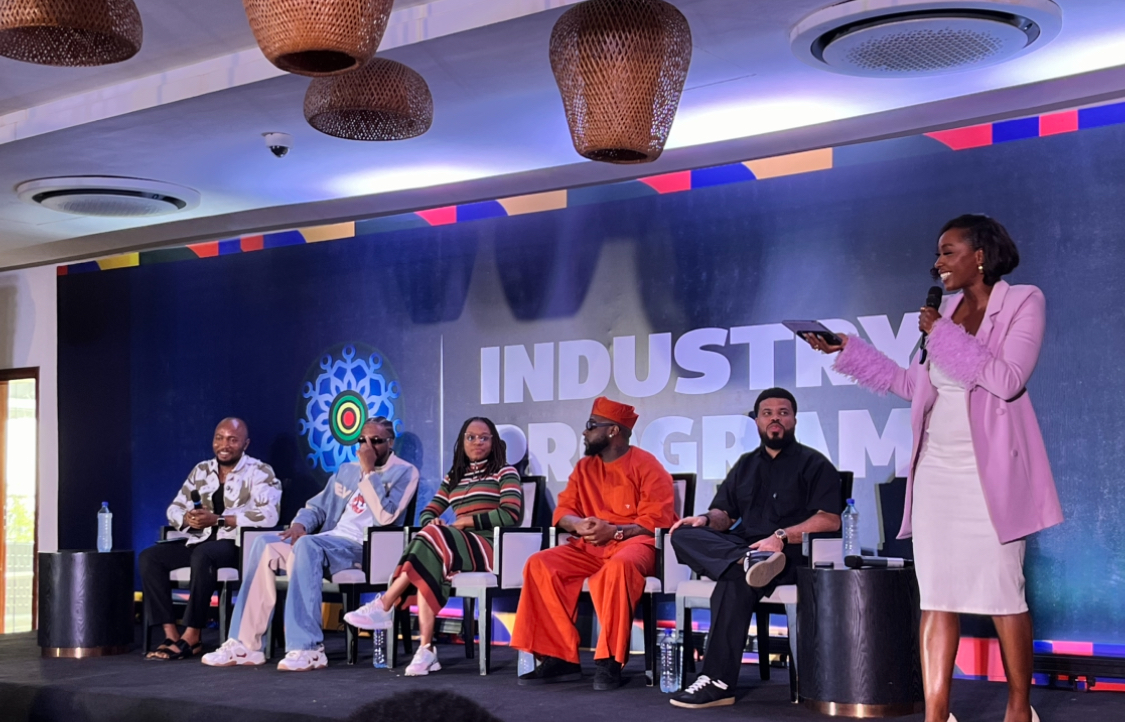
During the AFRIFF 14th edition panel “Rhythms of the Continent: Exploring How Afrobeats Impact African Cinema,” moderated by Joey Akan, speakers including Davido, Asa Asika, Dammy Twitch, and Blessing Uzzi examined collaborations between music and film.
Asika stressed the importance of structure in sync deals. He runs teams at his office focused on registering and pitching music. “We literally have teams… who are literally just registering music we distribute and pitching this music to people,” he said. For major artists like Davido, labels and publishers handle much of this, but smaller projects require active involvement.
He cited Davido’s song in Netflix’s “Sex Education,” part of an episode featuring multiple African tracks from artists like Wizkid and Burna Boy. “Everyone wants their stuff in order and who actually has publishers and understands how the business works,” Asika noted. Other examples include a PlayStation campaign for Davido’s “Timeless” album and an ABC News special.

The “Coming to America 2” sync stood out, where Asika negotiated for Davido’s performance alongside licensing “Assurance.” This deal showed Afrobeats’ reach, with filming at Tyler Perry’s studio marking a milestone.
Davido discussed his publishing obligations, requiring formal contacts for syncs. He recalled telling comedian AY to go through publishers for a song use. “Afrobeats is commercial, so there’s money involved,” Davido said.
Akan asked about selecting projects, especially small ones with big visions. Asika explained varying approaches: for big artists, opportunities come inbound, but proactive pitching helps. He referenced soundtracks boosting songs, like Jay-Z’s in “Bad Boys 2” or tracks in “Creed.” In Nigeria, he sees potential for writers to focus on film scoring rather than performing.
Asika critiqued Nigeria’s lack of structure: “In Nigeria, we don’t have the structure yet where people can sit down and just thrive off of that.” He noted many could earn as writers if systems improved, citing Davido’s writing credit on Chris Brown’s “Under the Influence,” which generated significant income.
The panel touched on broader integrations. Dammy Twitch explained how Afrobeats rhythms guide editing, using Davido’s “Aje” as an example. “Rhythm and edit move together,” he said.
Blessing Uzzi described music entering films in post-production, but advocated earlier involvement, as in her Cohbams project. She views Afrobeats as suited for heavy themes, rooted in Fela’s resistance.
Looking ahead, Asika proposed camps with filmmakers to create soundtracks, handling business onsite. “We’re speaking about the camps… knowing, okay, we’re making a movie wrapped around any of the Nigerian factors,” he said. This could repurpose unused music, given Nigeria’s high output but non-album focus.

Davido shared early realizations from “Skelewu” in “Queen of Katwe,” inspiring his film interests. He plans to produce movies and fund creatives. Uzzi suggested artists executive produce to share costs, addressing prohibitive pricing. Panelists urged protecting originality (Davido), sustainability (Asika), authentic stories (Uzzi), and utilization of underground talent (Dammy).
This call for structured teams aims to unlock revenue, making Afrobeats-film ties more profitable.