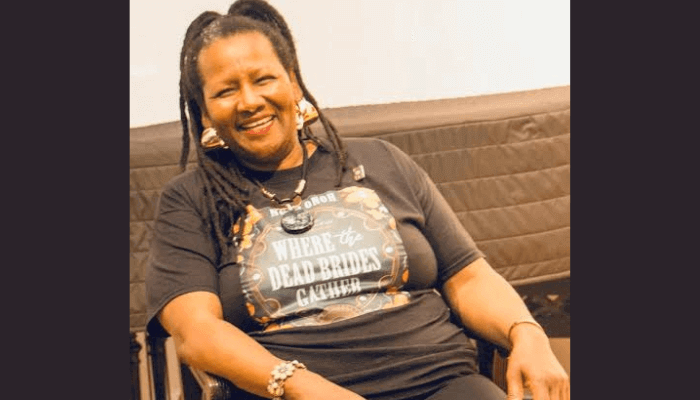
Nuzo Onoh, an award-winning Nigerian-British writer of Igbo descent, is a pioneer of the African horror literary genre, amid a creative showcase of the beautiful and horrific scenes in African culture within fictitious narratives.
With her nine African horror novels, Nuzo, a Bram Stoker Lifetime Achievement Award winner, deserves the accolade of ‘The queen of African Horror Writing’.
In this interview, Nuzo, who is proud of her Igbo root, shares with OBINNA EMELIKE her inspirations, passion for horror genre, two new horror novels released this year, other non-horror fiction and non-fiction books, experience as a writer on African themes in the UK, global perception of African horror genre, among others.
Excerpt:

Congratulations on your feats in the African Horror genre. How has it been as a writer on African “deep” themes in the UK?
“Deep”, interesting, and at times, pretty frustrating. People unfamiliar with our African culture find my stories fascinating, but it gets frustrating when they fail to distinguish fiction from fact. For instance, I have had to question in some author interviews why African writers are always asked questions about folklore or spirituality in our stories, yet, nobody asks that of other white writers like Stephen King among others, even though they have their own unique American/European folklore and spiritualism. For some reason, folklore and spiritualism are seen in the west as something specifically African and which African writers must incorporate into their stories. I think in this era of a new wave of regional horror writing from diverse backgrounds, African writers should be able to write our fiction, especially speculative fiction, without the stories viewed as cultural facts, same as western writers. We African writers and others from other diverse cultures use our stories to highlight our individual cultures and unique aspects of our belief systems; but that is where it ends. As a horror writer, I am still writing works of pure fiction and do not feel obligated to incorporate folklore or spirituality in my work, even though I do so. I have had reviewers writing about the African culture of Bride Sentinels when I wrote Where The Dead Brides Gather, and no; there is no culture like that as far as I know. I made it up because I was writing fiction, which happened to be set in Africa. Otherwise, I do sometimes burst into laughter reading some fascinating and hilarious reviews regarding the African themes in my works.
You have also extended your feats with two new books this year. How do you feel releasing two new horror masterpieces this year?
Joyful but stressful. Authors still have to engage in extensive publicity and promotion activities despite the backing of our publishers, and I realise that two books in a year can be pretty draining for someone like me, albeit, I know some other authors thrive on adrenaline. I am just not one of those, alas. This was a first for me, releasing two books in a year, and despite the stress, I still feel pretty proud of the feat and truly thankful to my awesome ancestors for making it possible.
Can you recall the journey of the two books from the idea conception to writing and publishing?

The Fake Ghost, published on August 12, 2025, was written in 2020, at the peak of the pandemic. It was my way to relieve the frustration I felt about all the conspiracy theories abound at the time. There are no mentions of COVID or the pandemic in the book, but lots of conspiracies abound in the farcical story about a powerful and racist USA president reborn as an African baby in a tiny village hut. As for FUTILITY, it was the first book I wrote just after my Bram Stoker Lifetime Achievement Award, which finally recognised African horror as a bona-fide contribution to the genre pool. I felt my work was done. All the long years of struggles and battles to reclaim the phrase “African Horror” as a literary genre rather than the negative portrayal of our continent as the media had coined it, were finally over. Other African horror writers could now continue populating the world with our beautiful stories while I wrote something totally different for me; a novel which didn’t have to be African horror per se or set completely in Africa. FUTILITY has been described as crazy, wild, unhinged, outrageous, absurd, chaotic and darkly funny amongst many others. I totally agree. It was my permission to myself to just write something different for the sheer freedom and joy of it, which is why I dedicated the book to myself.
If I may ask, which of the two books tasked your creative ingenuity and research skills the most?
The Fake Ghost definitely. I had to research some American cuss-words and landmarks as well as some LGBTS laws in both Nigeria and the USA, which I was unfamiliar with before I wrote the book. FUTILITY was a fun breeze. I wrote it in just three months, unlike my other books which usually take approximately a year to complete.
How many books have you authored so far, how many more are you going to write and when are you releasing your next set of books?
So far, nine African horror novels and one non-fiction book, “Call Your Ancestors For Success & Happiness”. I’ve also written three non-horror novels under a pseudonym and I have two novels out in 2026 with Titan Books, The Ghosts In The Moon and The Turning of Sally-Mae, which is the first African Horror-Wild West novel ever written. Another novel, Evendale, an African horror-gothic story, is in the process of being acquisitioned by my publisher and likely released in 2027. Otherwise, my agent has a few completed novels she is now submitting to editors. Touchwood, we should have some good news soon.
Again, why the horror genre?
Because that’s what calls to me. My characters tell me their stories which just happen to be horror stories. I don’t even enjoy horror that much these days and struggle to watch horror films. But I continue to write horror because that is what my characters channel to me. Plus, horror is addictive. Once you’ve gone down that terrifying lane, it’s almost impossible to switch to another genre completely.
Are interest in the African horror genre increasing, especially by foreigners and African diasporas?
I can say that it is definitely increasing for foreigners. As for our African diaspora, I think it’s a case of what’s new? We’ve been there, seen it, done it, worn the t-shirt; next? But that’s cool too. For me, as long as even one new reader discovers African horror, be they African or foreigners, then I am at peace.
For those who are meeting you for the first time, who really is Nuzo Onoh?
A writer of African speculative fiction; a mother of two wonderful daughters; an avid music lover, who plays both the piano and guitar and once dreamt of becoming a famous musician; a K-drama and cinema/theatre addict; someone who loathes social media. I revere my ancestors and the dying culture of my Igbo people and pray for the day when Africans can become like the Asian and western cultures, communicating exclusively in their own language instead of the language of our colonists, with our children taught in schools in our own language with books written in our language too. That glorious day will surely come; it’s just a matter of time. That’s my favourite mantra by the way – “It’s just a matter of time”. This is me in a nutshell.