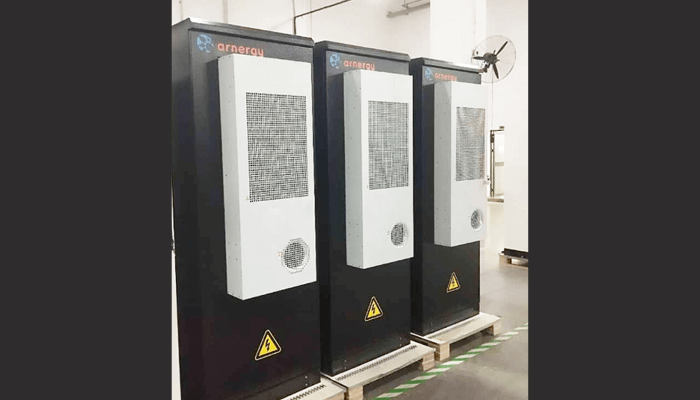
Arnergy, a leading distributed energy company, has commissioned a 150 kVA solar energy system with 430 kWh of storage capacity at the Abia State Specialist and Diagnostic Centre. This marks a significant milestone in sustainable healthcare infrastructure.
The system now powers critical hospital departments, including the ICU, Paediatrics Ward, Eye Clinic, and Diagnostic Radiology Unit, with clean, reliable electricity. Instead of relying on two 250 kVA diesel generators, the facility now runs primarily on solar energy and lithium‑based battery storage, with the grid serving as a backup.
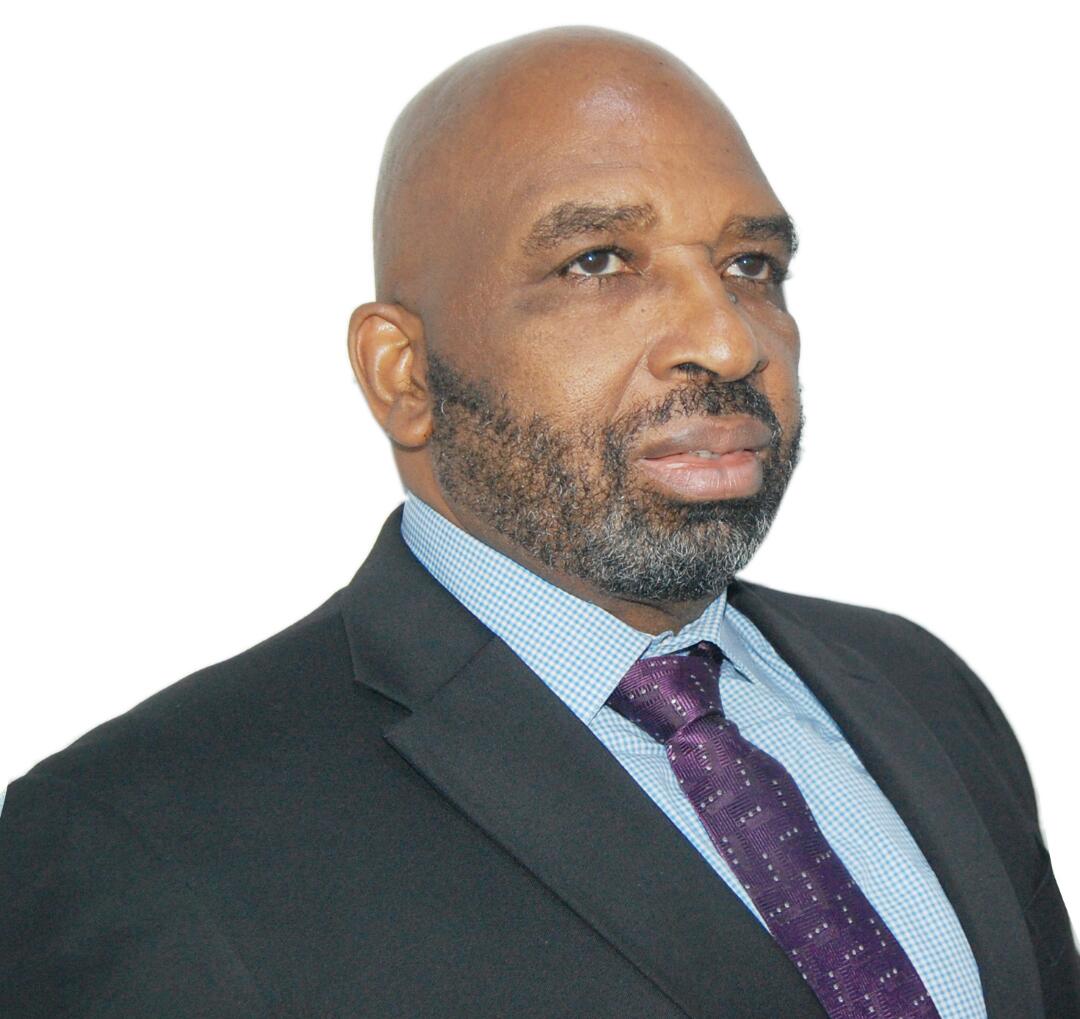
Arnergy CEO Femi Adeyemo described the installation as “a new benchmark for sustainable healthcare infrastructure.”
This project is part of a larger Memorandum of Understanding between Arnergy and the Abia State Government to deploy solar systems across public infrastructure in health, education, and economic sectors. The deployment will be carried out under long-term Power Purchase Agreements (PPAs) and Energy-as-a-Service (EaaS) models.

The initiative links into the state’s broader Nigeria Solar for Health Project (NISHP), backed by the European Union, which is investing over €2 million, alongside Abia State’s €624,000 contribution for a total of approximately €2.6 million. The programme aims to install 500 kW of solar capacity across at least nine healthcare facilities in Abia State, including support for nearby productive users to enhance sustainability.
At the launch of NISHP, the Abia State government highlighted its commitment to electrifying rural and off‑grid communities with 24‑hour renewable energy access. Governor Alex Otti’s administration is integrating this initiative with Abia’s Integrated WASH Accelerated Program (AIWAP) and reforms, allocating 15 percent of the annual budget to healthcare and 20 percent to education.
Arnergy’s commissioning aligns with the company’s strategic expansion following its $18 million Series B funding round led by CardinalStone Capital Advisers, with support from British International Investment, Norfund, Breakthrough Energy Ventures, EDFI MC, and All On. It is noted that the funding will support the deployment of 12,000 additional solar systems by 2029, with emphasis on healthcare, education, and SME sectors.
Adeyemo said, “This is not just about powering buildings. It’s about powering health systems, energizing education, economies, and livelihoods… we’ve proven what’s possible, and we’re just getting started.”
The Abia installation demonstrates how public-private partnerships, delivered under PPAs and EaaS models, can scale resilient, income-generating clean energy infrastructure across key public service sectors.