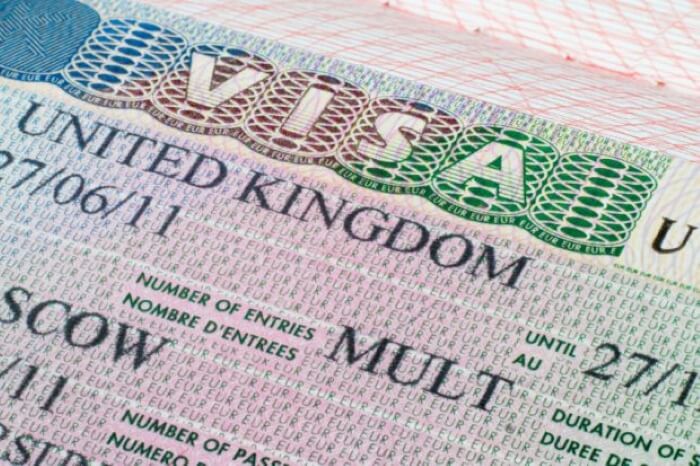
From July 1 2021, international students who have completed an undergraduate or master’s degree will be able to benefit from two years’ work experience in the UK upon graduation, through the new Graduate Route. Students who complete their PhD will be able to stay for three years.
According to the guidance by the UK Government, the international students can apply if their degree finishes after July 1, even if they have had to study part of it by distance learning from outside the UK.
The new post-study laws replaced the previous one by the former prime minister, Theresa May when she was interior minister. Students were only allowed to stay for four months after they graduated.
Read Also: UK’s post-study work visa targets graduates from Nigeria, others

The new visa category announced in September 2019 comes with updated guidance which confirmed that those studying by distance/blended learning as a result of changes forced on universities by Covid-19 will be eligible to apply for the Graduate route provided they are in the UK before finishing their programme.
Who is eligible for the Graduate Route visa?
The Graduate Route is available to anyone who graduates from a UK degree with a valid visa (Tier 4 or Student Route) on or after 1 July 2021. Eligibility isn’t restricted by subject area or nationality.
Is a job offer needed to qualify?
No. The graduating students do not need a job offer before qualifying for the post-study route.

What work can the graduate do?
There’s no restriction on the kind of work they can do and no minimum salary level is required. The students can spend as long as they like looking for work and can leave or switch jobs without any effect on their visa.
How many people can access the Graduate Route?
There will be no cap on the number of students who can benefit from the Graduate Route.
What will happen when the Graduate Route Visa expires?
At the end of the two-year duration, the graduate will need to leave the UK or apply for a different visa, such as a Tier 2 General work visa.
Unlike the new post-study permit, the Tier 2 visa requires an applicant to have an employment offer with minimum skill and salary level. The time on the Graduate Route should make it much easier to work towards this, an education consultant told BusinessDay in London.
“You won’t be able to apply for a second Graduate Route visa if you aren’t eligible for a Tier 2 visa,” the mid-age professional said on the condition of anonymity.
Does a university need to sponsor the application?
No. A graduate student applying for the post-study route will not need any sponsorship to apply for the Graduate Route.
What of students studying online from their home country?
Many universities switched to digital learning in the early part of 2020, due to the coronavirus (COVID-19) outbreak. Understandably, lots of international students also returned to their home countries at the same time.
According to the UK Government, such students will still be eligible to apply for the Graduate Route visa if they can travel to the UK this year.
The deadline for arriving in the UK was previously set at June 2021 for students who started their studies in Autumn 2020, and September 2021 for students who started in January or February this year.
The British Government have extended the deadlines. Now, all students who began their studies in either Autumn 2020 or Spring 2021 need to arrive in the UK by 27 September 2021 to qualify for the visa.
Is there a fee for the Graduate Route visa?
Yes. Applicants will need to pay a separate visa fee to access the Graduate Route. They would also need to pay another Immigration Health Surcharge to cover each additional year they spend in the UK.
When is the application deadline?
An international student will need to apply to the Graduate Route before their student visa expires.
A Tier 4 or Student Route visa will normally last for the duration of the study.
Does the Graduate Route replace the doctorate extension scheme for students?
The Doctorate Extension Scheme (DES) allowed PhD graduates to extend their student visas for 12 months. It has effectively been incorporated into the Graduate Route for PhD students, which offers doctoral graduates three years of post-study entitlement instead of two.