…as virology institute tasks FG to increase investment in research
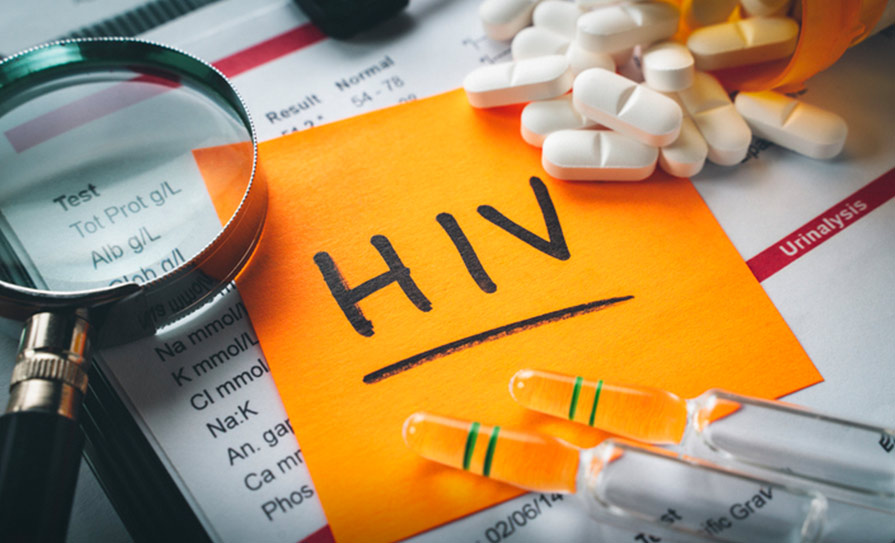
Nigeria’s push to develop an HIV vaccine have been slowed by the suspension of US government funding, the Institute of Human Virology Nigeria (IHVN) has disclosed, warning that without significant government investment, the country risks being left out of critical breakthroughs.
Alash’le Abimiku, executive director of the International Centre of Excellence of IHVN, speaking at a press briefing in Abuja ahead of a scientific symposium being organised by the institute disclosed that said research activities had been hit by the funding cut imposed during the Donald Trump administration, which halted US Agency for International Development (USAID) support for HIV vaccine trials.
“I’m afraid the HIV vaccine research has developed a K-leg because of the funding. We were funded by USAID to work on HIV vaccines. That was one of the grants that has since been stopped”, Abimuku said.

Read also: Nigeria’s HIV crisis: Youth testing rates plummet below 25%, threatening global health goals
While harping on the need for local research, Abimuku explained that the viruses circulating in Nigeria are different from those in South Africa, Kenya, or elsewhere, yet most of the vaccine work carried out over the years has focused on strains from elsewhere.
“If manufacturers say they cannot include our viruses because we don’t have their sequences, we would be left behind. That’s why our researchers are sequencing Nigerian strains to ensure they are included in vaccine development when funding resumes”- she said.
She noted that despite the funding cuts which has delayed progress, Nigerian researchers have pressed on, collaborating with partners across Africa including researchers at the University of Cape Town, to ensure that the country’s HIV strains are represented in global vaccine trials.
She stressed that while the pace has slowed, the urgency of HIV research remains. “Until we see the end of the HIV epidemic, we cannot stop,” she said.

On the forthcoming scientific symposium themed, “Combating Viral Threats through Public Health Response and Research” Abimiku explained that it will focus on viral threats to Nigeria’s public health system, drawing lessons from the Covid-19 pandemic.
“Unless we come together to understand the viruses that put us at risk, their patterns, and the policies we need to control them, we will continue to face repeated outbreaks,” she warned, citing cholera, diphtheria and Lassa fever as examples.
“If tomorrow, God forbid, we have another pandemic, are we prepared? What have we learnt from the last one? And what makes these viruses so devastating in Nigeria and across the world? Can we learn enough about how they behave to be better prepared? That is the emphasis of our work”, she added.
Patrick Dakum, chief executive officer, IHVN, added that the conference would also provide a platform for global and local stakeholders to exchange strategies on sustaining research amid declining international funding.
Read also: Oyo approves ₦45m for HIV/AIDS control
He urged the federal government to strengthen investment in medical research as part of its push to “unlock the healthcare value chain”, saying Nigeria cannot continue to depend almost entirely on foreign funding for critical breakthroughs.
Dakum, regretted that while research is very key in public health, the Nigerin government has not committed substantial funding, and urged that a minimum of 20% of government funding should go to research especially as international finding is shrinking.