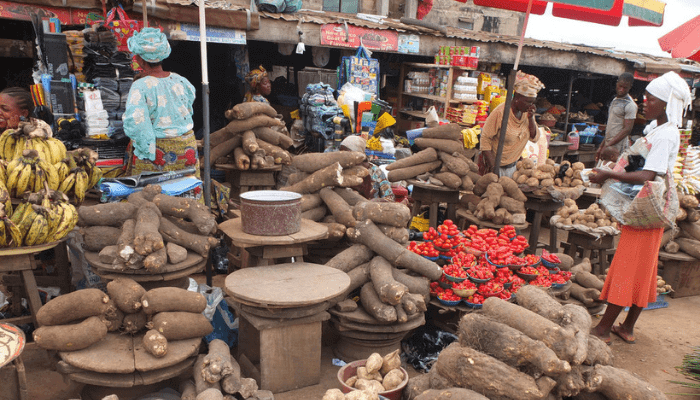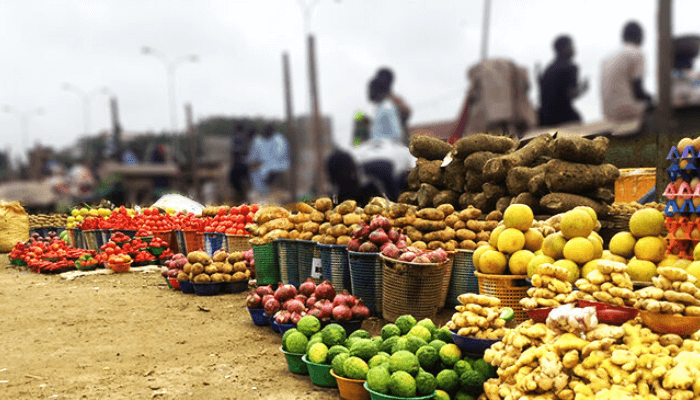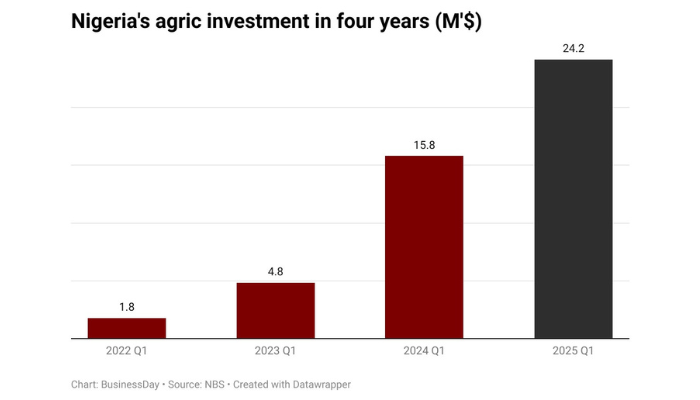
Foreign direct investment into the agricultural sector surged to its highest in four years, owing to ballooned investments in the livestock subsector.
Foreign direct investment into the food sector rose by over 1,000 percent to $24.25 million (N3.7 trillion) in the first quarter of 2025 from $1.76 million (N268.6 billion) in the corresponding quarter of 2022, according to a BusinessDay’s analysis of the Capital Importation Data.
Experts say the growth signals the huge potential of the agric sector and the boost in investors’ confidence despite worsening insecurity.
Findings by BusinessDay show that the livestock subsector — a component of the agricultural sector — received several international investments in Q1, amounting to at least $11.6 billion during the period, comprising investments from JBS.

Read also: Doorcas Africa uses data to help Nigerian farmers prevent livestock deaths
This Brazilian meatpacking company poured money into the establishment of a 100,000-hectare cattle ranch in Niger and modernisation of a meat processing facility in Ogun State as part of efforts to boost the livestock value chain.
“This is a general wake-up call to people that there is a lot of money to be made in agriculture,” said Ibrahim Kabiru, president of All Farmers Association of Nigeria (AFAN).
He said, “With the growing population, Nigerians require more food than ever before.”
Kabiru affirms that there have been several foreign investments in the agric sector this year on the back of what he calls “a clarion call to eat what we produce and produce what we eat”, which first took effect under the late President Buhari through investments from the African Development Bank (AfDB).

He explained that there have been several investments by the international governments. “And then lately we know we have gained a lot of traction in investments from Brazil and other countries.”
Before this four-year jump in foreign investment, in the same review period of 2015, agriculture attracted a meagre $2.68 million, reflecting a remarkable shift in the sector in 10 years.
Similarly, on a quarter-on-quarter basis, Q1 investments surpassed Q4 by 49 percent ($16.24 million).
Ayo Teriba, chief executive officer of Lagos-based research firm Economics Associates, said he believes “investors are responding to the opportunities created by the federal government in the sector,” noting that this opens a pathway for future investors who would like to explore agriculture.
Experts say that the rise in investment in the food value chain, especially into livestock, speaks of a potential boom for the N33 trillion national livestock market.
As demand for cattle meat continues to rise and farmers-herders clashes balloon, disrupting lives and farmlands, the federal government inaugurated the ministry of Livestock in 2024 as a means to rejuvenate the value chain.
Read also: Adamawa government approves N5b supports for livestock, grain markets
With 58 million cattle, 563 million poultry and 60 million sheep, the livestock value chain development holds the key to improving income and enhancing greater output.
According to the Central Bank, Nigeria spends an average of $1.3 billion annually on dairy imports, pointing to need for rapid investment in local production.
The NBS reports that agric sector was the seventh highest contributor in the review period with 0.43 percent to total capital importation of $5642.07 million.
“But we need more. People need to eat more. While we see growth on paper, we also know that many more people are hungry in reality,” Kabiru (earlier mentioned) said.