Afghanistan was plunged into near-total digital darkness on Monday as authorities cut internet access nationwide, paralysing essential services and severing communication within the country and with the outside world.
NetBlocks, a watchdog that tracks connectivity and cybersecurity, confirmed the blackout in a post on X, saying multiple networks were deliberately disconnected in phases through the morning, also affecting telephone services. Kabul residents woke on Tuesday to find banking, education, aviation, and basic communication systems thrown into chaos.
Read also: Afghanistan earthquake kills 800, injures 2,800, Taliban asks world for help
Kabul-based Tolo News reported that private banks had lost links between their central and provincial branches, disrupting transactions and freezing cash flow. ATM machines across the capital were switched off. At several branches, long queues formed as anxious customers tried to withdraw money, though only “very little cash” was available, according to one resident.

Najibullah, a 42-year-old shopkeeper in Kabul, told AFP the shutdown had paralysed business. “All our business relies on mobiles. The deliveries are with mobiles. It’s like a holiday, everyone is at home. The market is totally frozen,” he said.
Read also: Taliban harassment, violence against journalists continues — UN
The blackout rippled through Afghanistan’s main airport in Kabul, where operations slowed to a standstill. Residents described the terminal as “nearly deserted,” with no visible arrivals or departures.
Flight-tracking service Flightradar24 showed a handful of cancellations on Tuesday, while the status of most flights was listed as “unknown.” One passenger was told there would be no flights until Thursday at the earliest.
UN condemnation
The United Nations mission in Afghanistan urged the Taliban to immediately restore full access to the internet and telecommunications, warning of severe consequences.

“The cut in access has left Afghanistan almost completely cut off from the outside world, and risks inflicting significant harm on the Afghan people, including by threatening economic stability and exacerbating one of the world’s worst humanitarian crises,” the UN said in a statement.
A long-planned clampdown
The blackout follows weeks of disruptions to fibre-optic connections across several provinces, which escalated to include Kabul on Monday evening. The move comes after Taliban officials repeatedly threatened to impose a nationwide shutdown as part of efforts to curb what they deem “immoral activities” online.
Read also: The Return of the Taliban
Earlier this month, authorities ordered the removal of books written by women from university libraries, as part of a broader campaign restricting the teaching of human rights and banning discussion of sexual harassment.
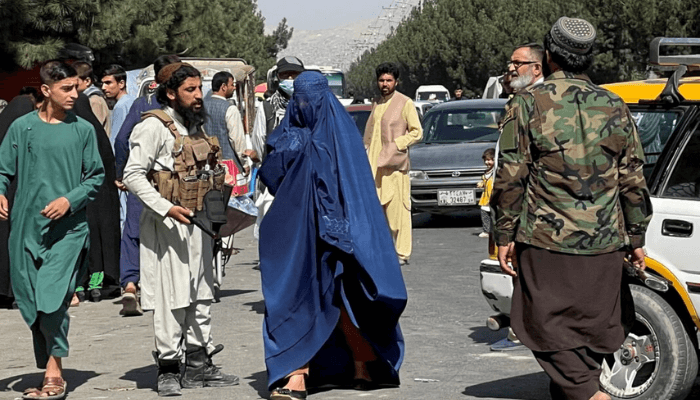
For many Afghans, the blackout underscored the fragility of everyday life under Taliban rule. A Kabul resident who declined to be named said that while banks were technically open, the lack of communication had created panic: “There are huge crowds, but very little money. People are desperate.”
Another summed up the mood bluntly: “Without phones and internet, we feel blind.”