The Federal Capital Territory (FCT), Adamawa (Yola) and 12 other states reported high violence attacks during the Thursday, August 1, 2024 nationwide protest, a new report has disclosed.
According to the G4S security analysis of day 1 protest, there was violence and looting in the FCT, Kaduna and various parts of the nation.

“Protesters have taken laws into their own hands as they block the Abuja-Keffi highway and begin to rob motorists of their valuables around Nyanya, Mararaba axis of the FCT,” the report disclosed.
“Additionally, the Nigeria Communication Commission (NCC) Industrial Park was looted and destroyed, prompting federal government intervention.”
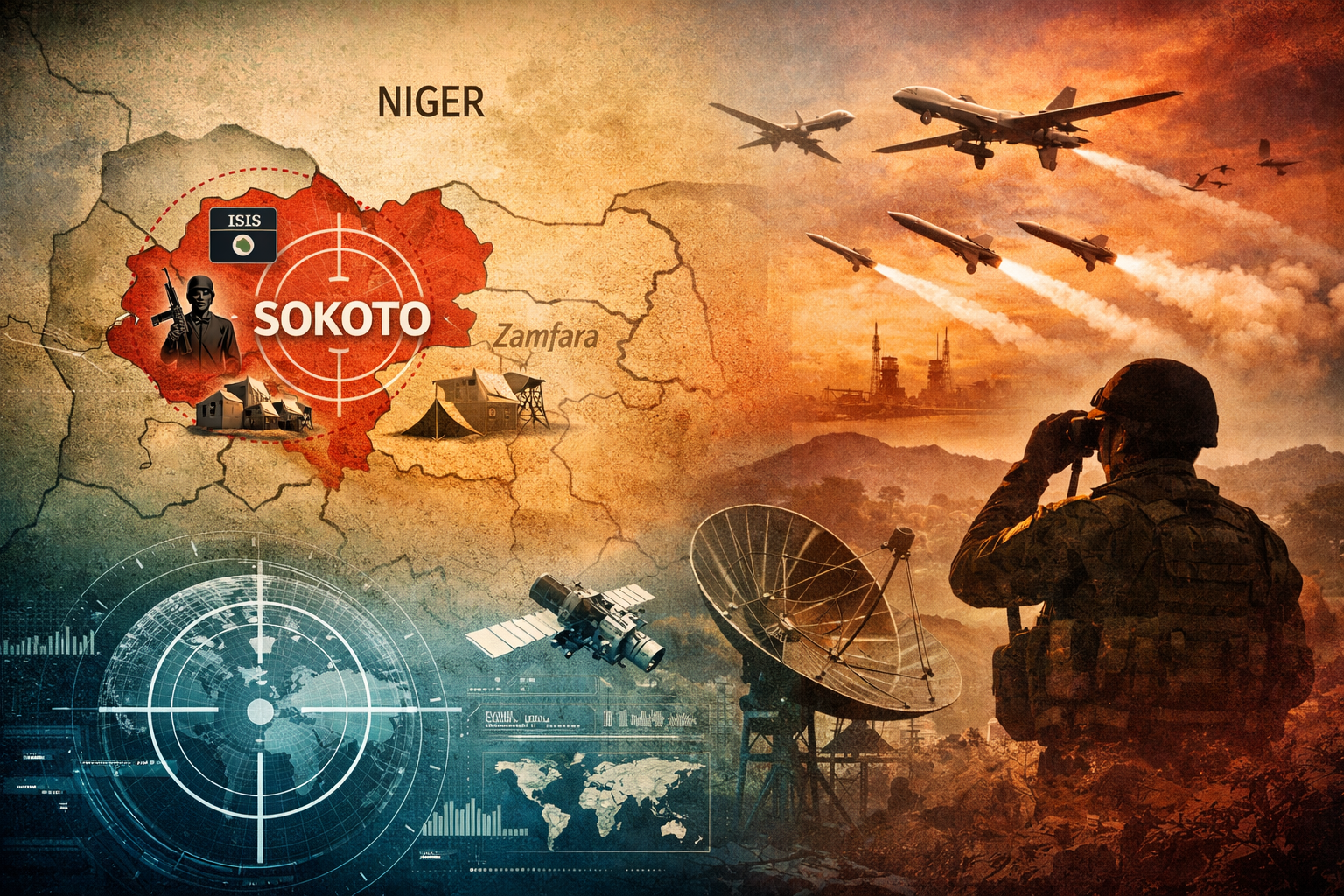
The report analysed by BusinessDay disclosed that the other affected states with high incidents of violence included: Bauchi, Borno, Imo, Jigawa, Kaduna, Kano, Katsina, Nasarawa, Niger, Sokoto, Yobe, and Zamfara.

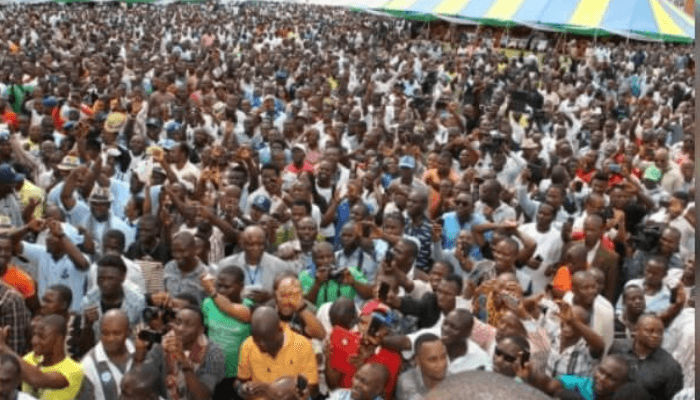
The protests, driven by a widespread call for better governance and improved economic conditions, saw a mix of peaceful demonstrations and violent confrontations.
In contrast, states such as Abia, Akwa Ibom, Lagos, Edo, Kogi, and Kwara reported minimal or no violence.
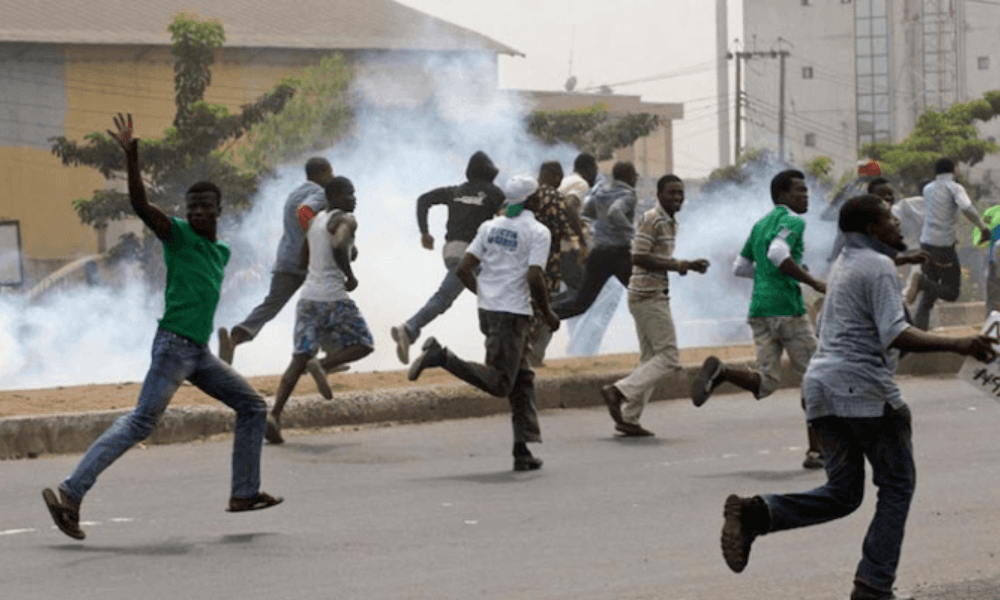
“However, even in relatively calm states like Kano, Jigawa, and Lagos, police had to resort to tear gas to disperse hundreds of protesters rallying against the high cost of living,” it said.
The violence escalated to a critical level in some regions. Nasarawa, Yobe, Borno, and Kano states declared 24-hour curfews in various cities to curb the unrest.
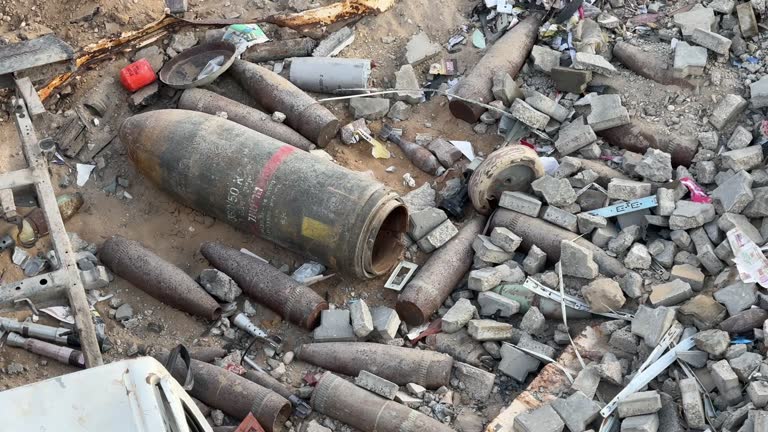
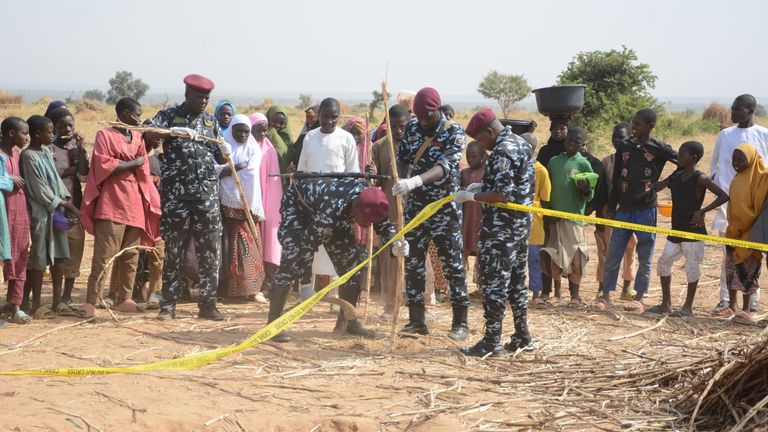
Tragically, three hoodlums were killed in a clash in Gombe, while 19 residents were feared dead following a bomb explosion in Borno ahead of the protests. In Niger State, six protesters were shot dead, and others were injured during the demonstrations.
The #EndBadGovernance protest represents a significant outcry from both youths and the elderly, demanding better living conditions and accountability from the government.
The situation remains tense as the nation awaits further developments and potential responses from authorities to address the underlying issues driving the protests.