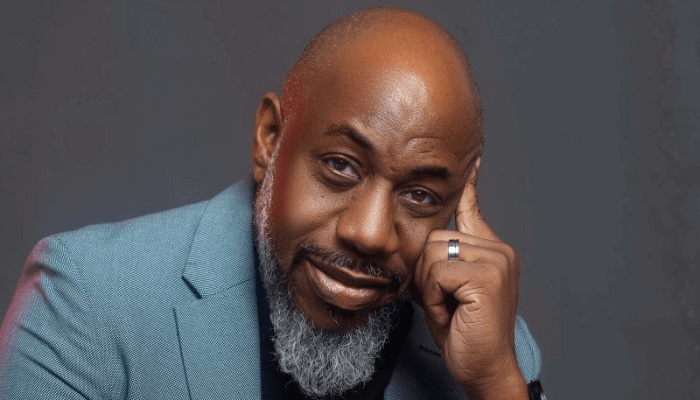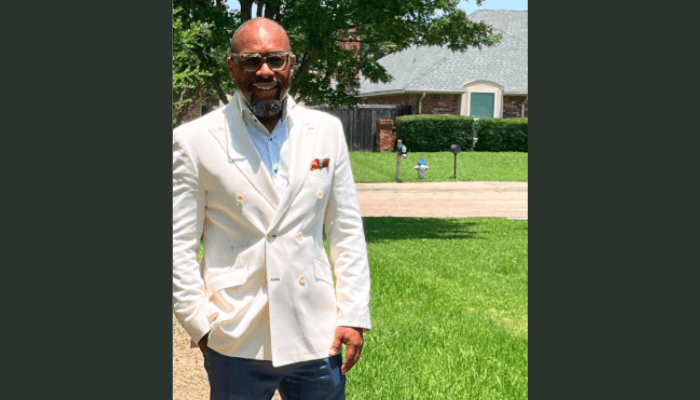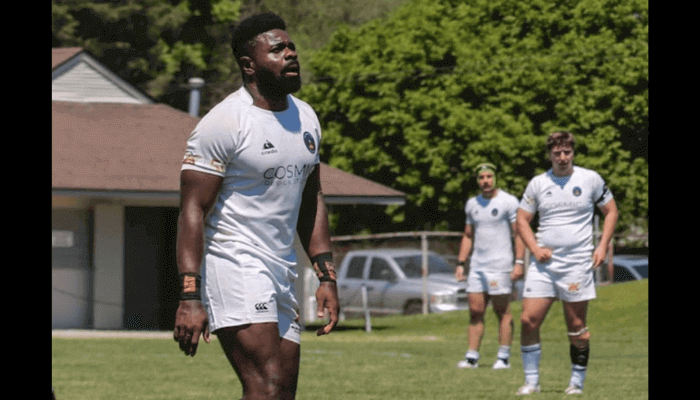
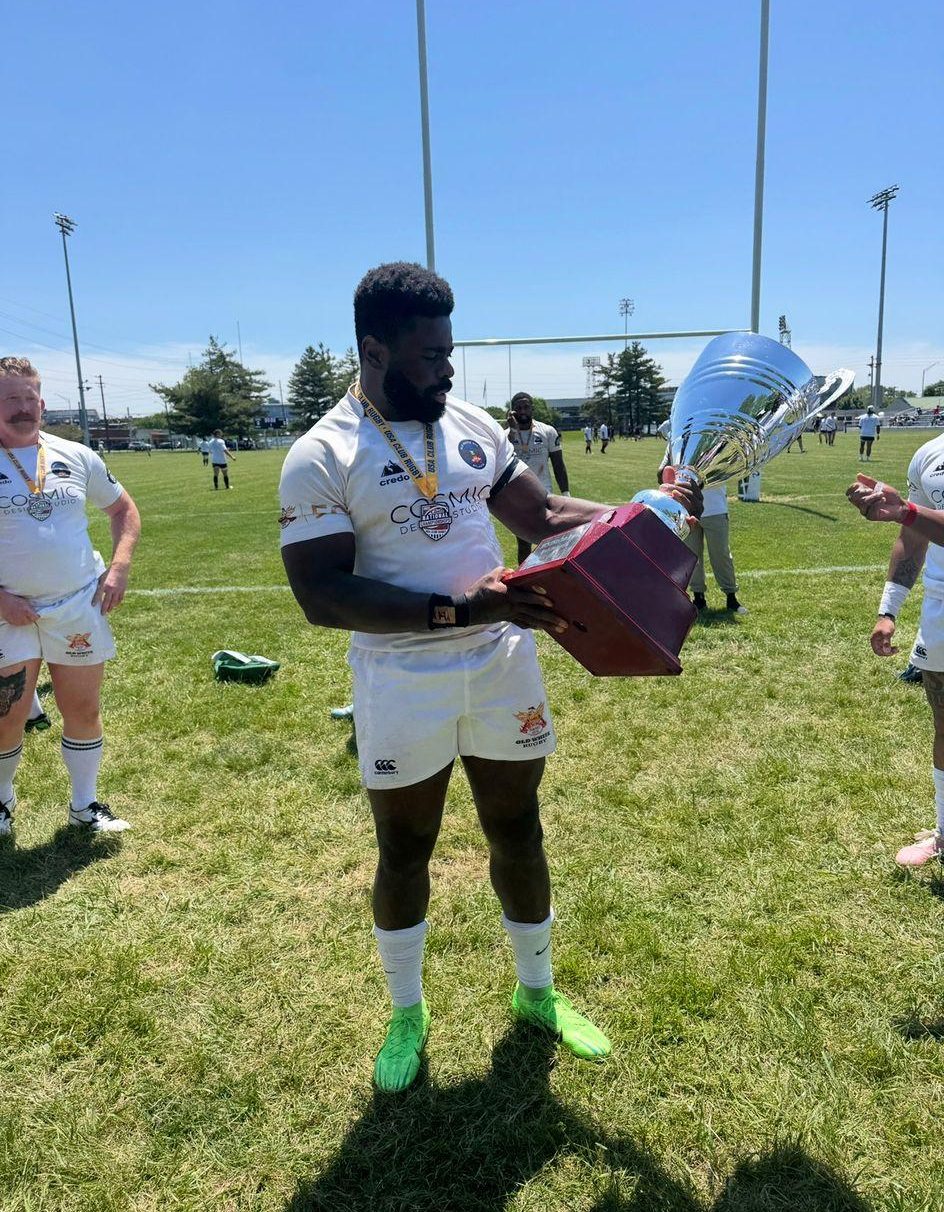
Frederick Henry-Ajudua, born in Lagos and raised in Durham, North Carolina, is a standout dual-sport athlete redefining what it means to compete with purpose. A former American football star at North Carolina Central University, where he earned All-MEAC First Team honors, he later pivoted to rugby—emerging as a national champion with Life University and Atlanta Old White. In 2020, he committed to representing Nigeria’s national rugby team, the Black Stallions, reflecting both athletic ambition and a deep sense of national pride. Now pursuing a Doctor of Chiropractic degree, Henry-Ajudua embodies the modern athlete—versatile, driven, and dedicated to giving back. Excerpts:
You’ve played at a high level in the US. How do you see your experience translating to the development of rugby in Nigeria, particularly given the current state of the sport there?
My experience in the US has given me a strong foundation in professionalism, tactical awareness, and discipline—qualities that are essential to developing a rugby culture. In Nigeria, where rugby is still growing, I believe I can help instill structured training methods, game understanding, and the importance of consistency both on and off the field. That structure can create a ripple effect on how the sport is taught and played.
You’ve represented the Nigerian national team. What are some of the key differences you’ve observed between the rugby culture and infrastructure in the US versus Nigeria?

The biggest difference is in infrastructure and support systems. In the US, there are facilities, strength and conditioning coaches, medical support, and pathways for progression. In Nigeria, while there is passion, the resources are limited. However, the raw talent and hunger here are unmatched. We just need to channel it with proper development programs and consistent support.
As a Nigerian national team player, what are your thoughts on the potential for rugby’s growth in Nigeria? What are the biggest challenges and opportunities you see?
The potential is massive. Nigeria has a youthful population, natural athleticism, and a growing interest in sports beyond football. The biggest challenges are awareness, funding, and access to quality coaching. The opportunities lie in grassroots programs, school partnerships, and international collaborations that can open doors for our players.
You’ve shown strong leadership qualities. How do you believe your leadership skills can contribute to building a stronger team culture within the Nigerian rugby context?

Leadership is about setting the standard—through discipline, accountability, and mentorship. I aim to lead by example, whether it’s showing up early to training, helping younger players, or staying focused under pressure. A strong culture comes from shared values and consistent effort, and I try to be someone who embodies that daily.
Given the limited resources sometimes available in developing sports nations, how do you adapt your training and preparation to maintain peak performance when playing for Nigeria?
You learn to be resourceful. I rely on bodyweight workouts, resistance bands, mental visualization, and consistent routines. I also stay connected with coaches and use data-driven tools like GPS and film analysis when possible. The goal is always to stay sharp, even without ideal conditions.
You’ve achieved significant success in the US. What motivated you to represent Nigeria, and what are your long-term goals for contributing to Nigerian rugby?
Representing Nigeria is a matter of pride and purpose. I was born with roots here, and I want to help build something meaningful for the next generation. Long-term, I want to see Nigeria competing consistently on the world stage—whether in 7s or 15s—and I’d like to play a central role in developing elite pathways and coaching systems.
How do you feel your experience as a prop, back row, and lock can be valuable in different rugby formats in the Nigerian context?
Versatility is key, especially when squad depth is limited. My experience across the forward pack means I can contribute tactically and physically in various game situations, whether it’s tight play, set pieces, or open field breakdowns. It also helps in coaching and mentoring, as I understand the demands of multiple positions.
You’ve emphasized your tactical awareness. How do you believe this skill can be used to improve the strategic play of Nigerian rugby teams?
Tactical awareness allows you to anticipate, adapt, and out-think the opposition. By teaching players how to read the game—space, tempo, matchups—we can become more competitive even against technically superior teams. It’s about playing smart, not just hard.
Physical fitness is crucial. How would you approach maintaining and improving the physical conditioning of rugby players in a potentially resource-constrained Nigerian environment?
We can implement high-efficiency conditioning programs using minimal equipment—think circuit training, sprint intervals, and functional bodyweight workouts. Consistency and proper coaching on form and recovery can go a long way. Nutrition education is also important, even if diets aren’t ideal.
Communication is vital in team sports. How do you ensure effective communication within a diverse team, especially considering potential language or cultural differences within the Nigerian national team?
It starts with respect and listening. I try to learn from my teammates, understand their perspectives, and keep messages clear and direct. We can also create team standards—on and off the field—to unify how we speak and act. Humor, humility, and patience go a long way too.
Teamwork is essential. How would you foster a strong team spirit and collaboration among players from different backgrounds in Nigeria?
Shared goals and shared struggle build unity. I’d focus on creating bonding opportunities—training camps, off-field activities, and open team discussions. When players feel valued and connected, they play for each other, not just for themselves.
How would you utilise your knowledge of injury prevention and recovery, gained from your chiropractic background, to enhance player welfare in Nigerian rugby?
I’d integrate warm-ups, mobility drills, and basic rehab protocols into regular sessions. Educating players and coaches on body mechanics, hydration, and rest is crucial. I’d also advocate for partnerships with local clinics or health professionals to create support systems for our players.
Given your experience as a top try scorer, how would you coach and mentor younger Nigerian players to develop their attacking skills?
It’s about vision, timing, and confidence. I’d focus on core skills—support lines, footwork, spatial awareness—and build their decision-making through drills and small-sided games. The key is repetition with intent and helping them believe in their ability to break through.
What are your ideas for developing grassroots rugby programs in Nigeria to increase participation and talent identification?
Start with schools and community centers. Provide balls, basic coaching manuals, and short certification programs for local coaches. Host regional festivals or 7s tournaments to identify standout players and create feeder systems to elite academies.
How do you envision leveraging your professional experience and network to attract more resources and support for Nigerian rugby?
I’ve built relationships with coaches, sponsors, and organizations in the US and abroad. I aim to create bridges—whether that’s training exchanges, equipment donations, or collaborative camps—to bring resources and exposure to Nigerian rugby.
What are your thoughts on the role of sports in national development in Nigeria, and how can rugby contribute to this?
Sport unites people. It builds discipline, offers opportunities, and drives community engagement. Rugby teaches respect, resilience, and teamwork—values that can uplift youth and strengthen national identity. With the right backing, rugby can be a force for social change.
What specific strategies would you propose to improve the infrastructure and training facilities for rugby in Nigeria?
We can start with low-cost improvements: clearing pitches, marking fields properly, and repurposing existing spaces. Partnering with schools and universities to create multi-use facilities is key. Long-term, securing corporate sponsorships for regional training hubs will be vital.
How would you use your platform as a national team player to inspire and motivate young athletes in Nigeria?
Visibility matters. I’d share my story, visit schools, run clinics, and stay active on social media to reach young people. I want them to see what’s possible—on the field and beyond. Representation creates belief.
What is your long-term vision for rugby development in Nigeria, and what role do you want to play in achieving that vision?
My vision is a professional, competitive, and respected Nigerian rugby system—with players excelling locally and internationally. I want to help build that foundation through mentorship, coaching, and advocacy—leaving the sport stronger than I found it.
If you were given the opportunity to create a new rugby development program in Nigeria, what would be the first three steps you would take?
First, I’d launch a pilot grassroots program in one region to test curriculum, coaching, and logistics. Second, I’d establish coach education workshops to build local capacity. Third, I’d create a database to track and support emerging talent—so no player falls through the cracks.