The governorship re-run election in Ekiti State has come and gone but in analysing the election, what readily comes to mind is the electoral reform agenda of the government and its rebranding project.
The Electoral Reform Committee headed by Mohammed Uwais, former Chief Justice of the federation did a good job for which it has been commended by the majority of Nigerians. Not a few Nigerians had expressed hope that the Ekiti re-run election would be used as test case of the government’s commitment to electoral reform. Unfortunately, the outcome of the election has left much to be desired. The electoral reform being proposed is aimed at ensuring free, fair and credible elections come 2011.
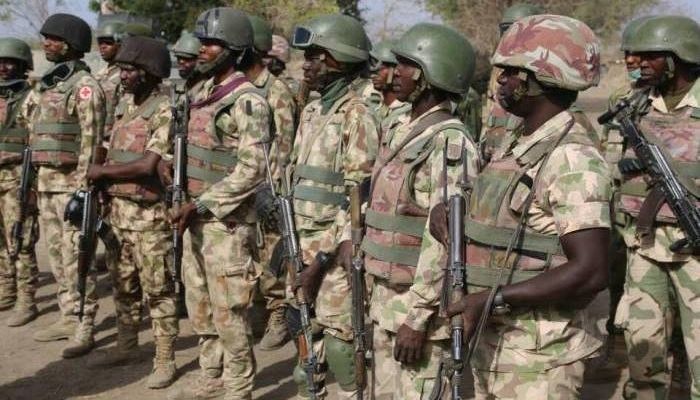
With about 10, 000 policemen deployed to the state to monitor the election, as well as members of the Nigeria Bar Association and civil society groups as observers, the election in Ekiti State could not be completed in a day. With serving senators caught snatching ballot boxes and carrying ammunition, serving local government chairmen and women reportedly sponsoring the killing of their fellow brothers and sisters in different political parties because of their quest for power, what hope do Nigerians have in the electoral system?
Just recently, South Africa concluded its election and there was no report of violence, gun shorts or what so ever over electoral issues. Ghana successfully completed their own elections without any violence, ballot snatching and Nigeria could not boast of organizing a free and fair election in just 10 local government areas in a state. Where then is the political reform and why then do we have to spend much money on publicity to rebrand Nigeria it has become clear that political leadership at all levels in Nigeria is yet to properly rebrand itself.
We believe that the re-run election in 63 wards in Ekiti State would have afforded the government the opportunity to showcase the re-branded Nigeria it has been championing in recent times. We believe it would have afforded the Yar’Adua government a redemptive impetus to its many acts of indiscretion and its many failures and serve as a foretaste of what we should expect in 2011. We believe the hunger to live up to a good servant leader would have driven the president to ensure that this exercise in a very small part of Nigeria was one that the whole world would applaud.
Read Also: Ondo Decides 2020: PDP’s Jegede wins electoral unit in Akure
The government does not need to spend tax payers’ money in advertorials and hiring of image laundering consultants both locally and across the world to ensure success of the rebranding campaign. What Nigeria needs to rebrand is free and free election, of which the re-run election in Ekiti State, sadly, was not; a system that guarantees that the ballot box is not desecrated at any point in the electoral process. What Nigeria needs to rebrand herself and be respected by the international community is decisive action against corruption and positive action a powerful clique that has sworn to keep this country prostrate for selfish interests.

What Nigeria needs to rebrand is to ensure that there is a nexus between the government and the people, a system that makes government accountable to the people; a system that guarantees equal opportunity to every citizen irrespective of ethnicity, religion or sex.
Rebranding can only make meaning when security is guaranteed, when justice is guaranteed; when everyone is equal before the law and citizens are treated with dignity.
Rebranding does not mean telling lies, it does not mean telling the world what we want them to hear; it means making Nigeria a decent country that every Nigerian will be proud of.
The re-run election in Ekiti was one opportunity the country needed to tell the world that she has put her act together, was ready to make the giant leap to greatness to join the pantheon of countries with stable electoral system. It was an opportunity missed, a hope betrayed