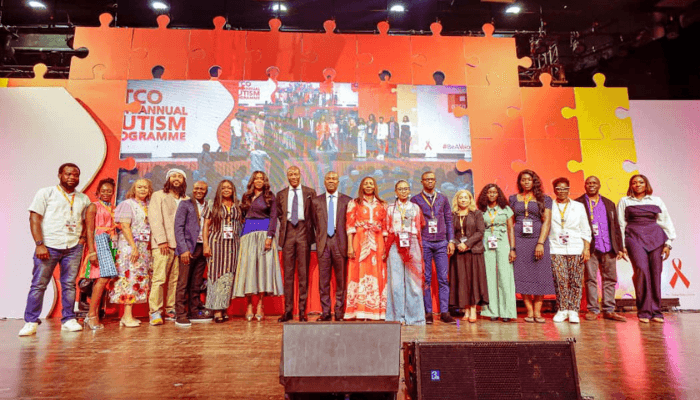
As parents and caregivers entered the main hall of Muson Centre, Onikan, Lagos, with their autistic children, a sense of anticipation filled the air.
The room buzzed with excitement and hope, as families took their seats, eager to learn from the experts and share their own experiences. The atmosphere was electric, with a palpable sense of expectation that the 15th Edition of the GTCO Autism Conference would bring new insights, new solutions, and new hope for their children’s futures.
As this year marked a significant milestone in GTCO’s ongoing commitment to advocacy, education, and inclusive support for individuals on the Autism Spectrum, the hall filled with people, and the energy became more pronounced.
Parents exchanged stories, sharing their struggles and triumphs, while children with autism explored their surroundings, some with curiosity, others with caution. The air was thick with emotion as families sought answers, support, and guidance on how to navigate the complex world of autism.

As the conference began, the room settled into a sense of focused attention. Speakers took the stage, sharing their expertise, experiences, and insights on autism. Some were parents themselves, having navigated the challenges and triumphs of raising autistic children. Others were autism survivors, offering a unique perspective on what it’s like to live with autism. The audience listened intently, hanging on every word, as the speakers painted a picture of a future filled with possibility and promise.
As the presentations progressed, the hall was renewed with hope. Parents and caregivers nodded in agreement, recognizing themselves and their children in the stories being told. They felt seen, heard, and understood. The speakers’ words were like a balm to their souls, offering reassurance that they were not alone in this journey. The audience was filled with a sense of conviction that there is a future for these individuals, a future filled with potential and possibility.
One of the speakers, Mashudat Bello-Mojeed, a renowned Professor of Psychiatry and Public Health and Child and Adolescent Psychiatrist, said, “Autism is not just a family affair, it’s everybody’s business.” This statement resonates deeply in a world where awareness about autism has grown significantly, but action is still lagging behind.
Beyond Awareness
According to Bello-Mojeed, awareness alone is not enough. “We’ve been raising awareness, improving education, and breaking down barriers of stigma,” she says. “But now, it’s time to take the next step: action.” She emphasises that awareness must be translated into tangible actions that make a difference in the lives of individuals with autism.
Remi Olutimayin, autism self-advocate and a speaker at the event, spoke about bridges between the different groups in the autism community in Nigeria.

“We’re talking about the things that actually connect us, the things that are important, the bridges we need to activate. We are talking about the need for parents to be more proactive in understanding their children,”
Olutimayin noted that essentially knowing what tools or resources are available makes a lot of difference for a parent that has a child in the spectrum.
“The quality of resources that you have access to, the kind of support that you have is very important,” he said.
He decried the unavailability of resources that were needed for autistic children in Nigeria.
He said two of his sons are on the spectrum, adding that every resource he has come across, he fully appreciated it.
The Stigma Barrier
One of the significant barriers to supporting individuals with autism is stigma. As Bello-Mojeed observes, “When people see a child or individual with autism throwing a tantrum or exhibiting challenging behaviors, they often don’t understand that it’s not a matter of discipline or parenting, but rather a result of the way their brains are wired.” This lack of understanding can lead to stigma, which can be devastating for individuals with autism and their families.
Acceptance is Key
Bello-Mojeed stresses that acceptance is crucial in creating a supportive environment for individuals with autism. “By putting ourselves in their shoes and understanding their experiences, we can begin to see them in a different light and provide the support they need,” she says. Acceptance is not just about tolerating individuals with autism; it’s about valuing and appreciating their unique contributions.
Practical Solutions
Some of the speakers at the conference suggested that vocational institutions and schools can play a critical role in providing hands-on skills training and job placement programs. “By assessing the strengths and abilities of individuals with autism, we can tailor programs to meet their specific needs and help them develop skills that will enable them to lead fulfilling and independent lives”.
Ade Otubanjo, a professor of Psychiatry and public health during the panel session talked about parents’ active involvement in the lives of their autistic children. He spoke about creating a community for people who are on the spectrum.
Camille Proctor, an educational psychologist and international behaviour analyst, spoke about resource mapping, stressing that beyond resource sharing, there is a need for accessibility, connecting schools to non-profits and quick movement of the available resources.
The Role of Organisations and Government
Organisations like GTCO have been instrumental in raising awareness about autism through their annual conferences. However, most of the speakers believe that it’s time to move beyond awareness and take concrete actions to support individuals with autism. “Organisations can establish programs like the DT Autism Employment Hub, which would provide vocational assessments, training programs, job placement, and funds to support micro-enterprises for parents of individuals with autism,” one of the speakers suggested.
The government also has a critical role to play in supporting individuals with autism. While there are existing institutions that provide diagnosis and therapy at subsidized rates, more needs to be done to upscale these services and provide adequate support to families and individuals affected by autism.
Empowerment through Education and Employment
Empowerment is a crucial aspect of supporting individuals with autism. According to the speakers, empowerment is not just about providing financial support, but also about creating opportunities for individuals with autism to contribute to society and feel valued. By providing education and employment opportunities that cater to their needs, we can help individuals with autism develop skills, build confidence, and lead fulfilling lives.
A Call to Action
As we move forward in our journey to support individuals with autism, Bello-Mojeed’s words resonate deeply: “It’s time to take bold steps and make a difference.” We all have a role to play in creating a supportive environment that allows individuals with autism to thrive. By working together, we can break down barriers, promote acceptance, and provide practical solutions that make a difference in the lives of individuals with autism.
At this year’s conference, speakers’ messages were clear: awareness is just the starting point. Action is what truly matters. They emphasized the importance of inclusion, acceptance, and support, highlighting the need for a collective effort to create a more autism-friendly world. As the audience listened, they felt a sense of empowerment, a sense that they could make a difference in the lives of their children and in their own lives.
As the conference came to a close, the hall was filled with a sense of renewed purpose. Parents and caregivers felt inspired, motivated, and equipped with new knowledge and strategies to support their children. The energy in the room was no longer just anticipation; it was now a sense of determination and resolve. The conference had sparked a sense of hope and possibility, and the audience left with a renewed sense of conviction that a brighter future is possible for individuals with autism.