Third in the “Commercial Disputes” Series
Before the Ink Dries
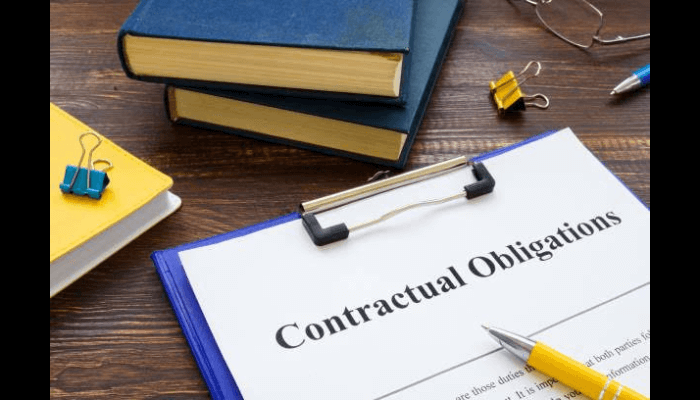
In many commercial deals, the most important words are spoken before anything is signed. Parties talk, questions are answered, and quiet assurances are given. A vendor might say the product meets a certain standard. A prospective partner may confirm that all approvals are in place. Everyone moves forward—often on trust.
But what happens when one of those early assurances turns out to be false? What if it never made it into the final agreement?
This is where many disputes begin. Trust builds momentum, but misplaced trust—especially when it influences key decisions—can lead to serious consequences. Contracts matter. But so do the conversations that lead up to them. Knowing when words carry legal weight is part of managing risk.

What Are Pre-Contractual Statements?
Pre-contractual statements are the claims, assurances, or representations made during negotiations before the contract is signed. These could come up in pitch decks, supplier briefings, site visits, or due diligence calls. A vendor might promise quick delivery. A seller might claim the asset is debt-free.
Even if well-meaning, these statements can become flashpoints later, especially if they turn out to be false and someone has relied on them to proceed with the deal.
In a fast-paced business climate, the challenge isn’t just spotting possible misstatements—it’s knowing which statements might become part of the deal, and which will stay on the sidelines.
Misrepresentation Explained
When a pre-contractual statement proves to be false, Nigerian courts look beyond the surface to determine the actual consequences. The central question is whether that statement, even if well-meaning, led someone into a deal they would not have made otherwise. To answer that, judges focus on three core elements:
1. Was it a false statement of fact?
The law draws a line between facts and opinions. Saying a property has no encumbrances is different from saying it “looks like a good investment.” For liability to arise, the statement must be about a concrete fact that proves untrue.

2. Did someone rely on it?
The misled party must have taken the statement seriously and acted on it. If the claim influenced the decision to sign the contract, that reliance is key, even if the statement was not deliberately misleading.
3. Did it cause harm?
There must be a loss—whether financial, operational, or reputational. Without measurable harm, a claim will not go far. But once harm is established, the next question becomes: what kind of misrepresentation was it?
Types of Misrepresentation
Fraudulent: The speaker knew the statement was false or was reckless about its truth. If established, the court may award both rescission and full damages (explained below).
Negligent: The statement was made carelessly, without checking accuracy. Damages may be awarded if established.
Innocent: The statement was made in good faith. Rescission may still be granted, but damages are rare.
Courts weigh what was said, how it shaped expectations, and what happened as a result. The key takeaway for businesses is that casual words can carry lasting weight. When early statements shape how a deal unfolds, their impact may be felt long after the ink has dried.
Remedies and Limits
When a misrepresentation is proven, the law provides two main remedies—rescission and damages—but each is shaped by the type of misrepresentation and the surrounding circumstances.
Rescission means unwinding the contract and restoring both parties to their original positions. It is commonly available for all three types of misrepresentation—fraudulent, negligent, and innocent—provided the claim is brought promptly and full restitution is still possible. Courts may deny rescission if the contract has been affirmed (expressly or by conduct), if a third party has acquired rights under the contract, or if the delay in bringing the claim makes reversal unfair or impractical.
Damages, on the other hand, are designed to compensate the misled party for losses suffered due to the false statement. The nature and extent of damages vary:
- Fraudulent misrepresentation supports the broadest scope. The injured party may recover all losses that flowed from the false statement, even if those losses were not foreseeable at the time.
- Negligent misrepresentation allows for compensation, but only for losses that a reasonable person would have anticipated as likely consequences.
- Innocent misrepresentation seldom attracts damages. The usual remedy is rescission, unless specific legislation or contractual terms allow otherwise.
In practice, not all harm is recoverable. Courts scrutinise whether the misrepresentation directly caused the loss, whether the claimant acted reasonably, and whether other factors broke the chain of causation. Speculative claims, exaggerated losses, or indirect knock-on effects may be disallowed.
These remedies offer essential protection, but they are not fail-safes. Legal repair is often slow, contested, and incomplete. For businesses, the most reliable safeguard is preventative: record key assurances in writing and ensure they are reflected in the contract, rather than relying on memory or trust.
Managing the Risk
Pre-contractual statements cannot be eliminated from business life, but their risk can be managed. This starts with how contracts are drafted and how commercial conversations are documented.
One common safeguard is the entire agreement clause. It confirms that the written contract sets out all the terms agreed between the parties and that no prior discussions or promises are legally binding unless repeated in the document. This helps draw a clear boundary between negotiation and obligation.
Another is the non-reliance clause, which states that neither party has relied on any statement made before signing. This makes it harder to argue later that a misrepresentation induced the contract.
A third approach involves the exclusion of liability clauses, which try to limit or completely remove liability for any pre-contractual misstatements. However, these clauses must be drafted with care. If they are too broad, unclear, or unfair, courts may strike them out, especially in consumer contracts or where there is a power imbalance.
Still, even the best clause cannot save a deal from poor conduct. If a party knowingly misleads the other or fails to correct a false impression, a court may set aside the contract regardless of what the document says.
This is where commercial discipline comes into play. Risk management in this area means:
- Verifying key statements before sharing them, particularly around pricing, compliance, timelines, or performance.
- Putting critical assurances in writing, whether in the contract itself or through a signed clarification or side letter.
- Avoiding sales language that makes vague or exaggerated claims—what sounds convincing in a pitch can turn risky in litigation.
- Updating the other side promptly if circumstances change between negotiation and signing.
- Reviewing contract templates to ensure they reflect current realities and do not contain outdated or misleading provisions.
Conclusion: Think Ahead, Speak Clearly
Business agreements are dynamic. What is said at the outset—whether in meetings, emails, or calls—can shape not only expectations but also legal outcomes. That is why it pays to slow down, speak clearly, and record the critical terms.
Not every pre-contractual statement will lead to liability. But those that do can redraw the deal in ways no one intended. The strongest contracts come from alignment between what is promised, what is understood, and what is signed.
Thinking ahead at the negotiation stage is often the most cost-effective legal strategy.
About the Authors
This guide was prepared by the Dispute Resolution team at Broderick Bozimo & Company. The team advises on contractual disputes, commercial litigation, and arbitration, drawing on decades of experience representing clients in high-stakes matters across Nigeria.
Contact: Broderick Bozimo & Company
21 Dakala Street
Wuse 2, Abuja F.C.T.
Nigeria
Email: insights@broderickbozimo.com
Website: www.broderickbozimo.com
Disclaimer
This publication provides general information and does not constitute legal advice. You should not act or refrain from acting based on its content without seeking professional advice. Contacting us does not create a solicitor-client relationship. We can only act once we have completed a conflict check and both parties have signed a formal engagement agreement.