|
Getting your Trinity Audio player ready...
|
In a move that has reignited debate over the United States’ increasingly controversial deportation tactics, Washington has deported five foreign nationals—labelled “criminal illegal aliens”—to the southern African kingdom of Eswatini.
The deportees, who hail from Vietnam, Jamaica, Laos, Cuba and Yemen, were all convicted of violent crimes, including murder and child rape, according to the US Department of Homeland Security (DHS). Their forced removal comes after their home countries reportedly refused to accept them back.
Read also: Nigeria refuses to accept Venezuelan deportees from United States, says Tuggar
“A safe third country deportation flight to Eswatini in Southern Africa has landed,” DHS Assistant Secretary Tricia McLaughlin posted on X. She described the men as “depraved monsters” who had been “terrorising American communities.”

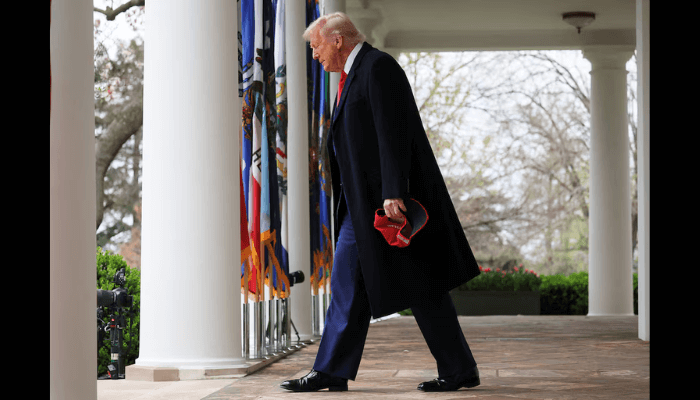
The flight is part of an increasingly aggressive deportation strategy under President Donald Trump’s administration, which has revived efforts to send migrants—including convicted criminals—to “safe third countries” if their own nations reject them. Earlier this month, a similar flight carried eight men to South Sudan.
Read also: U.S. judge temporarily blocks deportation of family of Colorado attack suspect
McLaughlin praised the deportation as a victory for US security. “These depraved monsters have been terrorising American communities but thanks to Trump and [Homeland Security] Secretary Kristi Noem they are off of American soil,” she said.
Eswatini, a small landlocked nation bordered by South Africa and Mozambique, has not commented publicly on the arrival of the deportees. The kingdom, Africa’s last absolute monarchy, has reportedly been in discussions with Washington to act as a potential recipient of such removals.
Read also: Trump administration offers $1,000, free flights in new self-deportation scheme

Last month, the US Supreme Court cleared the way for the Trump administration to resume sending migrants to countries other than their own—a legal barrier that had slowed such flights in the past. Rwanda has confirmed similar talks, while Benin, Angola, Equatorial Guinea and Moldova have also been named in reports as potential destinations.
The push has stirred international concern and domestic controversy. While supporters see it as a tough but necessary way to remove violent offenders from the US, critics argue that it risks violating international norms by sending people to places with which they have no ties.
South Sudan, which recently accepted eight deportees from several countries, said the men were housed in a civilian facility in the capital, Juba, under police and national security watch. Only one of the men is South Sudanese.
Read als0: In tougher anti immigrant law UK to deport visa overstayers
Nigeria, meanwhile, last week rejected calls to accept Venezuelan deportees or third-country prisoners from the US, insisting it would not bow to diplomatic pressure.
President Trump’s vow to expand mass deportations has been a hallmark of his re-election campaign, winning him strong backing among conservative voters and some immigrant communities eager for tougher border security.
For Eswatini, the arrival of foreign criminals raises sensitive questions for a country already grappling with high youth unemployment and poverty. King Mswati III, who has ruled since 1986, has so far remained silent on the arrangement—leaving his subjects and neighbours guessing how the tiny nation will manage its new, involuntary guests.