As Africa’s digital economy expands, the need for skilled professionals in data science and artificial intelligence (AI) grows more urgent. Rising to the challenge, TechNovelle’s, a nonprofit committed to bridging Africa’s tech skills gap, has launched its AI & Data Cohort 1.0, a transformative training initiative created in partnership with global learning leader DataCamp.
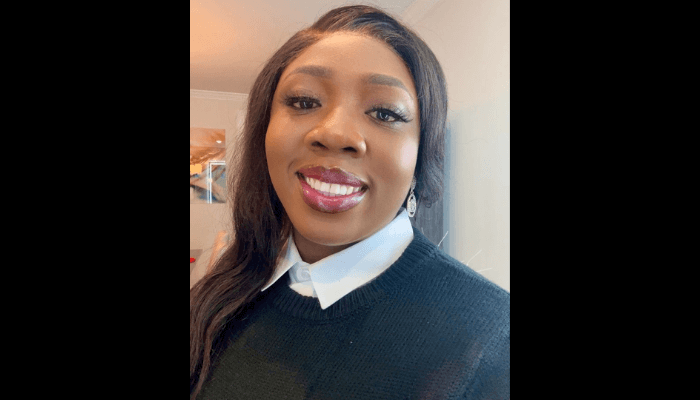
Dorcas Oyebode, co-founder and CFO of TechNovelle, shares the vision behind the movement with BusinessDay’s Wasiu Alli.
What inspired this AI & Data Cohort?
The inspiration came from a simple but urgent reality: Africa is full of brilliant, ambitious young people who are locked out of opportunities in tech because they lack access to quality training. At TechNovelle, we’re committed to changing that narrative. The AI & Data Cohort is our way of leveling the playing field, ensuring that young Africans regardless of background can gain the in-demand skills they need to thrive in today’s data-driven world.

Who is this program designed for, and what does the journey look like?
We designed the cohort with three groups in mind: university students, career switchers, and early-career professionals. Many of these individuals are highly motivated but don’t have a clear roadmap to follow. So, we structured the program to provide a guided pathway from foundational skill-building to hands-on application. The journey begins with orientation and onboarding to set expectations and build community. Every few weeks, there are checkpoints and review sessions to help learners assess progress and get feedback. One of the things we’re most proud of is our emphasis on peer learning and mentorship. Participants are matched with mentors and grouped into learning pods to encourage accountability, collaboration, and shared growth.
How did the partnership with DataCamp come about, and why is it important?
From the start, TechNovelle co-founders, Dorcas Oyebode, Rianat Abbas, Victoria Ogunsanya, knew that if we wanted to build something truly impactful, we needed to partner with an organization that shared our values around accessibility, excellence, and global relevance. DataCamp was the natural choice. Their platform is internationally respected for making high-quality data education approachable, flexible, and driven results.
What made the partnership especially meaningful is that it wasn’t just transactional, it was mission-aligned. DataCamp immediately understood what we were trying to do: empower underserved African talents with the tools to build real, future-ready careers in data science and AI. They saw the vision, and they backed it fully.

Through this partnership, every participant in our cohort receives access to more than $400 worth of professional training content for free. That’s not just generous, it’s transformative. For many of our learners, especially those in low-income or resource-constrained environments, this kind of access is life-changing. It removes a huge financial barrier that often keeps brilliant minds out of the tech ecosystem.
The impact goes beyond the classroom. This program helps build confidence, unlock opportunities, and challenges the narrative that global tech expertise only comes from certain countries or institutions. With the support of DataCamp, we’re not just teaching data skills. We’re creating a generation of African innovators, analysts, and AI leaders who are ready to shape their industries and communities.
What does success look like for this cohort?
Success for us is not just about completion rates or certificates, it’s about transformation. We want to see each participant finish the program with tangible skills, a clearer sense of purpose, and confidence to pursue meaningful opportunities in the field. That could mean landing a job, securing an internship, launching a freelance project, or even continuing to more advanced study.
But more than anything, we want them to feel empowered and know that they belong in tech and can thrive in it. It’s important to us that they don’t just walk away with a resume line, but with real capabilities that employers value and trust.
We’re also measuring success by the kind of ecosystem we’re building. If participants stay connected, mentor others, contribute to open-source projects, or go on to lead in their own communities, that’s a win. This first cohort is our proof of concept. Long-term, our vision is to scale the model across more African countries, partner with local institutions, and create a sustainable pipeline of talent that’s globally competitive and locally grounded.
We believe this is more than a cohort, it’s the beginning of a movement. And if we can use it to launch even a few hundred careers in a way that changes lives and lifts communities, then we’ve succeeded.
You’re also a data analyst yourself. How has your own journey influenced the way you designed this program?
It is very personal. I didn’t come into data analytics through a traditional route. I didn’t start my career in data. I began in finance and later pursued an MBA in Business Analytics and Information Systems. Even with that foundation, breaking into the data field was not straightforward. I had to piece things together, learning from online resources, finding informal mentors, and constantly figuring things out alone. There was no structured pathway, no clear roadmap, and very little representation of people who looked like me in the spaces I wanted to enter.
I know how overwhelming it can be to start from scratch and to feel like you don’t have the right background, network, or tools. That’s why we were intentional about building structure into the cohort, while also making it flexible enough to meet learners where they are. I focused on designing an experience that reduces confusion, builds confidence, and emphasizes community. Mentorship, guided learning paths, and support systems weren’t just features, they were non-negotiables. Because I’ve lived that journey, and I wanted others to have a smoother one.
What’s your message to aspiring data professionals in Africa?
You don’t need to leave the continent to do great things. The potential is already here, and Africa is producing brilliant, world-class talent everyday. What we need now is access, access to training, mentorship, and opportunities to apply what we’re learning.
My message is simple: you belong in tech. Whether you’re just getting started or looking to pivot, there’s room for you. This field needs your perspective, your creativity, and your drive. We’re not just building a program; we’re building a pathway. And our goal is to ensure that no one with the passion to learn and grow is left behind.