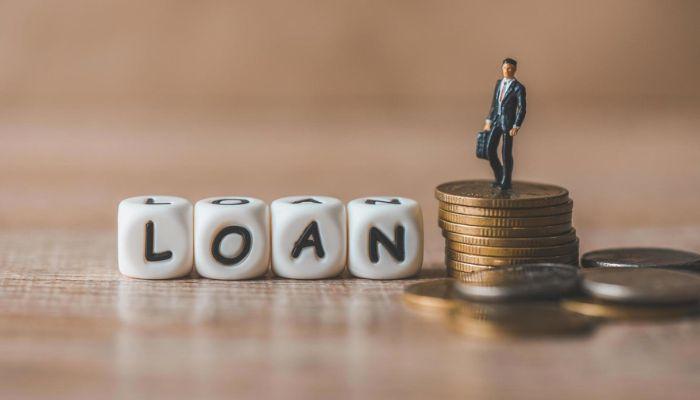
Obtaining a loan used to require you to wait in a banking hall, fill out documents, and hope that your request would be granted. A smartphone and a few taps are all that is required these days. Within minutes, money is in your account as no lengthy lines or documentation was required. It sounds easy but many Nigerians are unaware of the true cost of that convenience: Their Privacy. These apps claim to provide immediate relief, but they also gather personal data, which is considerably more valuable than interest. Many of them ask you to provide permissions as soon as you install them, including access to your call history, contacts, messages, and images. Most people click the “allow” button without the full knowledge of what the permission does and its relevance to the application.
If a borrower really takes the time to read those terms and conditions, they contain permissions that allow the lender unrestricted access to your contacts, gallery, call records, and even SMS messages. These permissions are explained as “security purposes” or “account verification” in the terms and conditions. However, if you default on your loan, these allowed permissions give room for lending applications to delve far into your personal life and take whatever necessary action to get their money back.
When the payment deadline arrives or you are late on payment, you will quickly realize what you’ve signed up for. The calls are constant, followed by messages to your family, friends, and colleagues alerting them that you owe money. Some applications even go as far as sending modified images or threatening to publicly disgrace borrowers, all because you missed a deadline, turning what appeared to be simple loan into a trap. Every week, there are several cases of people being humiliated because they were unable to pay on time. The reason behind many Nigerians patronise these lender companies despite the knowledge of the unrestricted access that these loans applications require is not too difficult to understand. The reason is simple; many Nigerians are struggling financially and the prospect of getting an instant cash to meet a pressing need make many to disregard questionable privacy policies and conditions.
And this is what makes the situation much more dangerous, it is not simply about technology. It focuses on the intersection between cybercrime and financial desperation. In difficult economic circumstances, people are more susceptible. Scammers, and unethical enterprises are aware of this, and they take advantage of the fact that desperation can lead individuals to disregard warning flags.

Today, cybersecurity is not something isolated, it is an integral part of our daily life. It is a part of our phones, our everyday activities, and the decisions we make without giving them any thought. Everyone worries about hackers and ransomware, but few mention how a simple software download may discreetly access your private information. Cybersecurity awareness is more than just being aware of complicated dangers; it also includes understanding how your own activities might put you at risk. Being cautious with permissions, reading privacy policies, terms and conditions, and thinking twice before granting applications access to sensitive data are all part of safeguarding yourself.
It is also about making responsible financial choices. A fast loan may appear to be the solution to an immediate need, but if the cost is your peace of mind and reputation, does it actually worth it? Moreso, if you do not have a sustainable income or viable repayment plan, you should not be applying for a loan. Sometimes waiting a few days, getting assistance from reputable individuals, or finding safer banking options might save you a lot of misery in the long run. It is crucial for lenders to keep in mind that anybody might experience financial difficulties, such as losing their job, having medical issues, or experiencing a downturn in their business. However, nobody should have their private life exploited through blackmail over a few thousand naira.
As a country, we need more stringent rules on digital lending. The National Information Technology Development Agency (NITDA) and the Federal Competition and Consumer Protection Commission (FCCPC) have made some headway by closing down illegal loan applications and establishing new criteria. However, enforcement of regulations remains weak, giving room for new apps and lenders to emerge under new identities, repeating the same activities. Until there’s real accountability, Nigerians have to protect themselves. Before downloading any loan app, read the permissions, privacy policies and conditions. Ask yourself, does this app or lender really need access to my gallery and contacts to give me a loan?
. Adesola is a Security+ Cybersecurity analyst

Email: yemiadesola@gmail.com