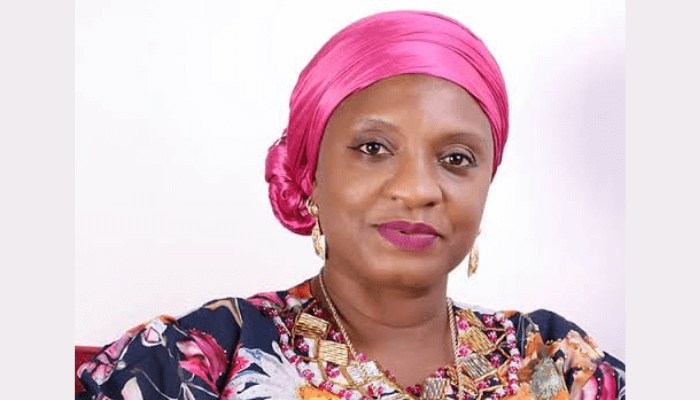
Sa’adatu Modibbo Kawu, Kwara State commissioner for Tertiary Education, has called for a deliberate cultural shift to eliminate traditional barriers that hinder women’s participation in politics and leadership.
She emphasized that entrenched cultural and societal norms should no longer be used as excuses to sideline women from contributing meaningfully to governance and public life.
Kawu made the call during her appearance on “A Place on the Table”, a weekly radio programme on Gerin FM 95.5 Ilorin. The programme, sponsored by UN Women in partnership with the Royal Heritage Health Foundation to promote gender inclusion and amplify women’s voices in politics and leadership.
During the broadcast, Kawu urged women across the region to deepen their engagement in the political process, whether through voting, advocacy, or holding public office.“Women must stand shoulder to shoulder, supporting one another in the pursuit of our collective progress,” she stated.

In a statement signed by Omotayo Ayanda, Press Secretary of the Ministry, the Commissioner stressed that for Nigeria to achieve true inclusive development, women must be granted equal opportunities to participate in political processes, free from cultural or social limitations.
“Our traditions and cultural beliefs should not be used as tools to silence women or exclude them from politics. As a society, we must evolve and acknowledge the critical role women play in governance, development, and peacebuilding,” she said.
Kawu also praised Governor Abdulrahman Abdulrazaq for his visionary and inclusive leadership, which has created pathways for women to occupy strategic positions in his administration.
She described the Governor as a true advocate of gender equity, whose actions continue to inspire confidence among women in Kwara State.
According to her, Governor Abdulrazaq’s administration is exemplary in its commitment to inclusive governance. She cited the appointment of several women into key leadership roles as a bold and progressive move that should be replicated at all levels of government.

While encouraging more women to step boldly into political spaces, she also stressed the importance of mentorship and partnership, calling on women leaders, development partners, and civil society organizations to collaborate in nurturing the next generation of female leaders.
“We need to build strong networks of support and mentorship for young women. Those of us in leadership must guide, empower, and prepare them to take up leadership roles. It is our duty to ensure that more women are empowered to take their rightful place in governance,” she said.