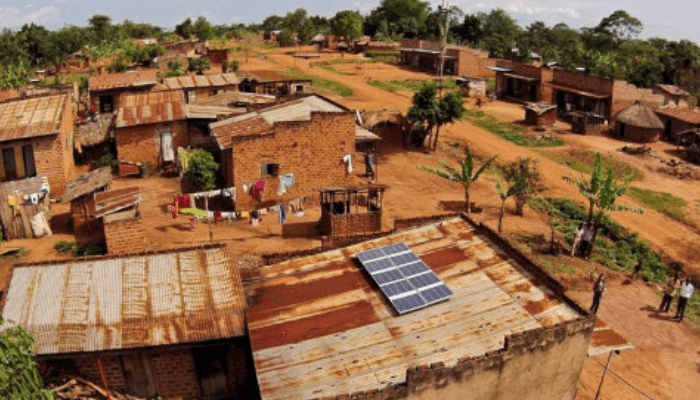
About 70 percent of residential settlements in Kano metropolis, one of Nigeria’s oldest urban centres, are unplanned, lacking access to basic infrastructure and essential amenities needed for healthy, sustainable living, according to urban planning experts.
The city was also ranked 28th out of 36 state capitals in Nigeria in terms of effective layout planning and availability of key social infrastructure, further highlighting the depth of its urban development challenges.
These issues were discussed during a one-day stakeholders’ engagement held in Kano, themed “Reimagining Kano: Master Planning for a Stronger Greater Kano”.
In a presentation delivered at the event, Almustapha D. Inuwa, a seasoned town planning expert and former Managing Director of the Kano Urban Planning Development Agency (KNUPDA), said the neglect of proper urban planning by previous administrations has led to widespread slum development across the metropolis.

Read also: Ojulari-led NNPC resumes monthly report after nearly 3 years.
According to Inuwa, the city’s original master plan, created in 1963 under the Northern Region Administration, was designed to serve about 3 million people. Today, with the state’s population estimated at over 20 million, the outdated plan has become grossly inadequate.
“What we see now is the result of leadership’s failure to review and update the master plan. This has caused uncontrolled expansion, poor living conditions, and a serious strain on public infrastructure,” Inuwa said.
Declaring the event open, Abduljabbar Muhammed Umar, Kano State Commissioner for Lands and Physical Planning, represented by the ministry’s Permanent Secretary, said the Governor Abba Yusuf administration is committed to developing a comprehensive, modern master plan that will rewrite Kano’s development history.
“This initiative brings together key stakeholders to brainstorm, strategise, and lay the foundation for a master plan that blends modern urban planning with cultural preservation and future growth,” Umar noted.

He emphasised the need to preserve Kano’s historic landmarks, including its ancient city walls, while ensuring the city evolves into a modern, inclusive, and economically viable urban centre.
“Our vision is to promote sustainable development, protect the environment, expand infrastructure like roads and public transport, encourage entrepreneurship, and make room for everyone, including the marginalised,” he added.
The event was attended by leading urban planning experts from both the public and private sectors, academics from Bayero University and Aliko Dangote University, and representatives of the Kano Emirate Council.