



Lagos State has taken a bold step in combating energy poverty, climate change, and public health challenges with the official pilot distribution of clean cookstoves under the national 80 Million Clean Cookstove Initiative.
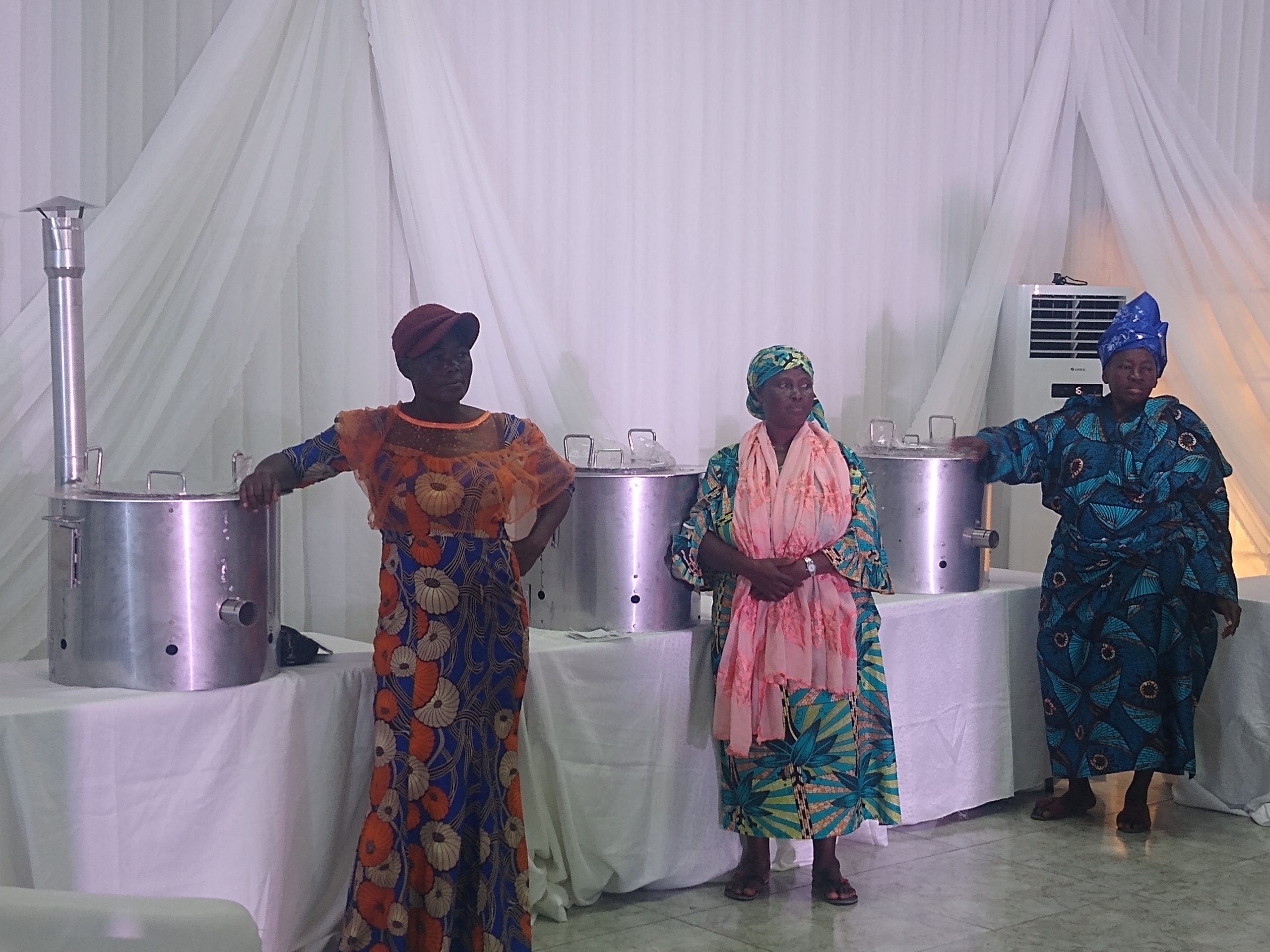
The event, held in Ikeja on Monday, saw 11 women from the Makoko community receive the first batch of the smokeless stoves, marking the start of what is billed as Africa’s largest clean energy transition project.
“This pilot distribution to 11 selected beneficiaries from the Makoko community is more than symbolic. It marks the first spark of a transformative movement, one that prioritises environmental sustainability, public health, and economic inclusion,” said Ope George, Lagos State’s commissioner for Economic Planning and Budget, during his keynote address.
The nationwide initiative, registered under the United Nations Framework Convention on Climate Change (UNFCCC), aims to distribute 80 million improved cookstoves across Nigeria. Lagos has been allocated 8 million units, which the commissioner described as a reflection of the state’s population size and its leadership in climate-smart governance.

The pilot project, implemented in partnership with GreenPlinth Africa Ltd. and the Lagos State Office of Climate Change and Circular Economy (OCCE), is targeted at riverine and underserved communities, starting with Makoko, a densely populated waterfront settlement often overlooked in mainstream development efforts.
Read also: Climate change undermining efforts to reduce poverty, inequality – WorldBank
“We are starting where the impact is needed the most,” George added. “Traditional cooking methods, especially the use of firewood and charcoal, endanger women and children’s health and contribute significantly to deforestation and greenhouse gas emissions. Transitioning to cleaner alternatives is not just an environmental imperative, it is a social and economic necessity.”
In her welcome remarks, Titilayo Oshodi, the special adviser to the governor on Climate Change and Circular Economy, highlighted the pilot as the culmination of a multi-year journey. “This is not just about cookstoves. It’s about listening to the people, building strong partnerships, and ensuring every solution is sustainable and inclusive,” she said.
She praised the collaborative efforts that led to the event, from enumerator recruitment and training to the inauguration of internal working groups and live demonstrations in Makoko.

“Each step has brought us closer to today,” Oshodi noted, commending GreenPlinth Africa, the Economic Planning Ministry, and working group members for their dedication.
To the Makoko women who received the cookstoves, Oshodi said, “This is for you. Your patience, your hope, and your participation have brought us here. Today is a clear signal that you are part of Lagos State’s clean and inclusive future.”
Speaking on the broader scope of the project, Adebola Odunsi, chief transformation officer of GreenPlinth Africa, described it as a “compliance-grade” initiative under the Paris Agreement’s Article 6.4ER, leveraging blockchain for transparent monitoring.
“It’s projected to generate over 1.2 billion tonnes of carbon dioxide equivalent in tradable offsets and unlock up to $60 billion in annual carbon credit revenues over the next 15 years,” he said.
With $7.5 million in pledged support already secured, Odunsi noted that the organisation is seeking up to $150 million in impact investment to scale stove distribution and briquette manufacturing.
“This isn’t just CSR, it’s legacy-building,” he added. “Investors can earn carbon credits, gain ESG-aligned visibility, and contribute to one of the most transformative climate projects globally.”
The project also promises 35 million gender-sensitive green jobs and aligns with more than 10 Sustainable Development Goals (SDGs).
Olawale Akinwumi, CEO of GreenPlinth Africa, expressed gratitude to Lagos State.
“Lagos has taken the lead,” he said. He introduced the first beneficiary of the 80 million cookstoves, noting that the project is structured to provide recipients with long-term benefits, including financial support over a 10-year period. “We are not trying to displace wood sellers but to transition them to briquette sellers,” he added.
He added that the 11 beneficiaries will receive N10,000 monthly to assist them in purchasing briquette, which is the fuel for the stove. Health insurance will also be provided for the women.
Olayinka Ojo, permanent secretary of the Ministry of Economic Planning and Budget, affirmed the project’s practicality and sustainability. “Having seen the demonstration in the community, I’m confident that these stoves will not just be kept, they will be used,” she said. “Very soon, the burden of cooking with smoke will fade away from Lagos households.”
Ojo also expressed optimism about private sector involvement. “This is just the beginning. With financial institutions already showing interest, Lagos will serve as a model for other states and countries.”





