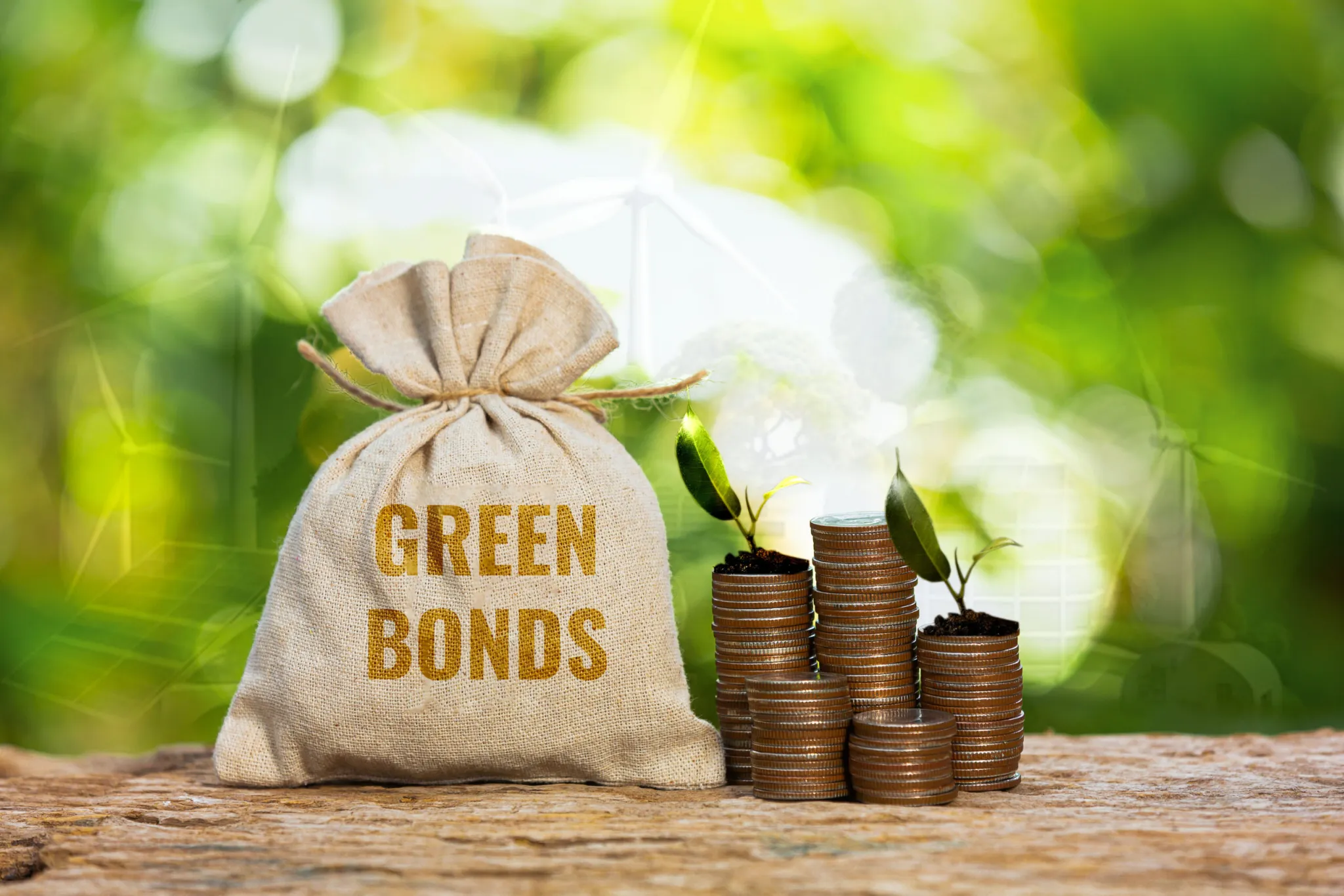
As Nigeria prepares to launch a new N300- billion green bond to support its climate goals and accelerate sustainable development, experts are calling for a paradigm shift in how green finance is implemented in the country.
They warn that without intentional reforms focused on transparency, accountability, and inclusive stakeholder engagement, the upcoming green bond risks repeating the same shortcomings that plagued previous issuances.
Nigeria made history in 2017 by becoming the first African country to issue a sovereign green bond, followed by another in 2019. These bonds, valued at N10.69 billion and N15 billion respectively, were intended to fund climate-friendly initiatives such as solar mini-grids, clean transport, and afforestation.
However, they were marred by poor coordination, minimal public awareness, and weak implementation, leading to missed targets and widespread skepticism about their impact.

In an interview with BusinessDay in Abuja, Sadiq Okoh, a climate policy analyst and green political economist, expressed cautious optimism about the upcoming green bond while pointing to systemic flaws that have undermined the success of previous efforts.
Okoh, who is also CEO of the Carbon Free Africa Network, emphasized that unless clear reforms are made—including the establishment of a Green Bond Delivery Unit within the Ministry of Finance and a Green Project Registry under the Debt Management Office (DMO)—the upcoming N300 billion issuance may fall short of its potential.
He also warned that without transparency, “this bond could become another bottomless pit for political patronage rather than a climate solution.”
Okoh insisted that to regain trust and ensure the success of the green bond, the government must go beyond compliance and aim for best-in-class practices in public finance management.
He proposed a series of reforms to improve the effectiveness and transparency of green bond projects. These include implementing systems where funds are released based on verified progress, using modern technology for real-time project monitoring, and enhancing the skills of stakeholders through targeted training.

He also emphasized the importance of involving local communities throughout the project lifecycle and recommended creating a public digital platform to track the progress, expenditures, and outcomes of funded initiatives.
Magnus Onuoha, a professor and Director of the West African Green Economic Development Institute, stressed the need for inclusiveness, equity, and awareness-building.
“Many communities do not even know green bonds funded their solar power or water systems,” Onuoha said. “We must bridge that information gap and make stakeholders true partners, not afterthoughts.”
He emphasized inclusive and equitable green development by advocating for stakeholder mapping, community-owned models like cooperatives, gender mainstreaming, and transparent impact tracking through green innovation indexes.
He cautioned against regional exclusion and political bias in project placement, stressing that green bonds should prioritize impact—creating jobs, promoting equity, and ensuring environmental sustainability.
Greg Odogwu, CEO of Jupiter Earth Green Limited, called for a strategic, results-driven approach, emphasizing that funds must not be treated like typical government contracts.
He urged better governance and accountability, criticizing the 2017–2019 bond—mainly used for afforestation in Cross River State—for failing to deliver lasting environmental impact.
To prevent a repeat of past mistakes, he proposed an intergovernmental body to manage the funds and stressed the need for cross-sectoral monitoring, particularly in agriculture, infrastructure, and transportation, to ensure transparency and real environmental progress.
Ali Olaitan Fajuyitan, Project Coordinator for the Green Bond Programme at the Ministry of Environment, refuted claims of fund misapplication.
“Many critics are simply misinformed,” Fajuyitan said. “The Green Bond Secretariat does not implement projects; it funds projects already listed in the national budget by various ministries. We midwife the process, but we do not own or execute the projects.”
According to him, the implementation rate for the first and second green bond issuances stands at 100% and 92% respectively, with the remaining 8% affected by COVID-era contracting delays—not misappropriation.
He also stressed that green bonds are subjected to some of the world’s strictest financing guidelines and are rigorously scrutinized by both domestic and international institutions.
The upcoming bond, to be issued by late May and October will fund projects listed in the 2024 national budget.
The debt is expected to be offered in two separate tranches over the course of the year – N50bn scheduled in coming weeks and N250bn in October – pending regulatory approval and favorable market conditions.
These include afforestation across 22 states, clean energy initiatives, and water-related sustainability projects, spread across the Northwest, Northeast, and Southwest regions.