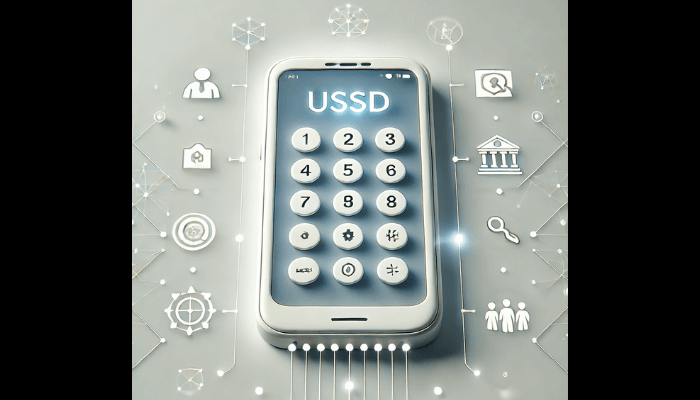
Starting today, June 18, 2025, bank customers will begin paying for financial transactions done through unstructured supplementary service data (USSD) using their mobile airtime.
This was announced in a circular by the Association of Licensed Telecom Operators of Nigeria (ALTON), the umbrella body for telecom operators in the country. The association said the move reflects an evolution in the digital financial ecosystem and aligns with the Determination of USSD Pricing and Services issued by the Nigerian Communications Commission (NCC).
According to ALTON, the new billing framework was developed in collaboration with the Central Bank of Nigeria (CBN) and other key stakeholders to ensure sustainability, transparency, and customer-friendliness in USSD service delivery.
Read also: Bank customers to pay for USSD services with airtime after NCC directive

Banks had earlier notified customers of the NCC’s directive mandating that USSD charges be deducted from users’ mobile airtime starting June 3, 2025. This follows years of unresolved debt between banks and telecom operators over USSD service provision. By December 2024, the CBN and NCC directed both parties to settle the longstanding N250 billion USSD debt.
By 2025, industry insiders confirmed that the dispute had been resolved. To prevent future debt accumulation, telcos will now collect USSD fees directly from users’ airtime, ensuring prompt remittance.
Read also: Nigerian banks ordered to stop charging USSD fees from customer accounts
Under the new billing structure, customers will be charged N6.98 per 120 seconds of USSD use, with the charge deducted directly from their airtime balance rather than their bank account.
“To enjoy the service, customers will receive a prompt to opt in and approve the charge before any deduction is made, and there will be no double billing as billing will only occur for successful sessions via airtime deductions,” ALTON said.

The telecom association emphasised that the new billing structure will not affect the availability or functionality of USSD banking services, as customers will continue to use their bank’s USSD codes as usual, once they have sufficient airtime.
Under the new structure, bank customers are advised to contact their telecom service provider at any point they cannot access USSD services and contact their banks for transaction-related concerns, such as failed transfers or service errors.