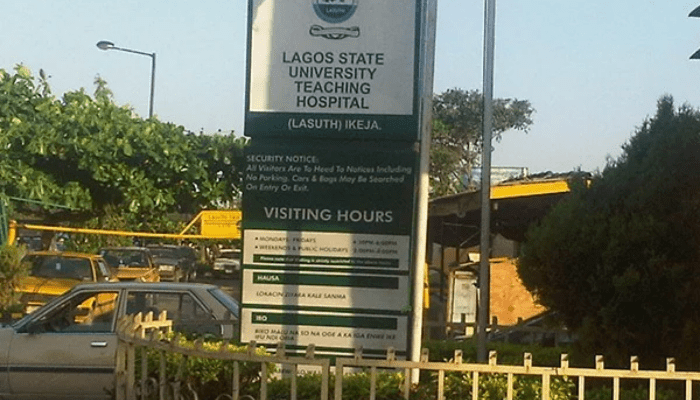
In an era where public health institutions across Nigeria are often beset with challenges, the Lagos State University Teaching Hospital (LASUTH) presents a remarkable exception. From its evolution in 2001 from a general hospital into a full teaching institution, LASUTH has grown into a symbol of what public healthcare can achieve with strategic leadership and consistent investment. Today, it stands not just as a tertiary health facility but as a critical pillar in the healthcare ecosystem of Lagos State.
Excellence in emergency care
Perhaps one of LASUTH’s most commendable achievements is its emergency care system. In 2024 alone, the hospital managed nearly 23,000 emergency cases—averaging over 60 cases a day. This is a noteworthy achievement, especially considering the nationwide shortage of healthcare professionals. Despite these constraints, LASUTH has remained committed to delivering urgent care of the highest standard.
This success is largely underpinned by a stable workforce comprising approximately 500 resident doctors, 240 consultants, and nearly 1,000 nurses. The consistency in staffing has been made possible by the exit replacement scheme implemented by Governor Babajide Sanwo-Olu, which ensures that medical vacancies are filled on a quarterly basis. This proactive approach has sustained LASUTH’s capacity to deliver life-saving interventions around the clock.

Delivering clinical impact
While mortality is an unfortunate reality in any tertiary health facility, especially among critically ill patients referred from other centres, LASUTH continues to uphold its duty of care. Using evidence-based practices and advanced treatment protocols, it strives to offer every patient a fighting chance at recovery. Though not all outcomes are favourable, the hospital’s determination to preserve life remains resolute.
Pioneering specialised services
LASUTH’s medical advancements extend far beyond emergency care. It has steadily expanded its portfolio of specialised services, becoming a reference point for complex procedures in Nigeria. These services include weekly open-heart surgeries—now made more accessible through a free programme targeting indigent patients—kidney transplants, and assisted reproductive technologies. Its ultramodern renal dialysis suite, cardiac catheterisation laboratory, and advanced endoscopy services further demonstrate the hospital’s ambition to meet world-class standards in care delivery.
Championing workforce development

In addition to service delivery, LASUTH has distinguished itself as a centre for medical education and training. The hospital recently introduced six new training programmes ranging from anaesthetic technology to a postgraduate diploma in hospital management. It is also preparing to offer courses in nephrology nursing and paramedics training, addressing critical skill gaps in the healthcare sector.
Significantly, LASUTH is one of only two institutions in the country to receive full accreditation to operate a Department of Emergency Medicine. This development not only strengthens the hospital’s internal capacity but also contributes to the broader national effort to reduce preventable deaths through specialist training.
Modernising infrastructure
Over the past few years, LASUTH has undergone an impressive transformation of its infrastructure. Under Governor Sanwo-Olu’s administration, several key projects have been completed. These include a ten-storey residential complex for doctors, a modernised ENT clinic, renovated burns and critical care units, upgraded accommodation for house officers, and the construction of a purpose-built ambulance bay.
Partnerships have also played a vital role. Support from the Office of Sustainable Development Goals, among others, has enabled the construction of a 120-bed multipurpose facility. Additional ongoing and planned projects include a four-storey dental centre, a three-storey stroke ward, and six presidential suites for critical care.
Community and private sector contributions
LASUTH’s progress is not solely due to government efforts. Faith-based and civic organisations have stepped in to support its mission. The Redeemed Christian Church of God is currently building a four-storey paediatric oncology centre, while several Rotary Clubs and Lions Clubs have completed valuable projects ranging from attendant quarters to diabetes clinics.
Public-private partnerships have also been critical. Organisations such as BT Diagnostics, TOS Funerals, and Medcourt Support Services are delivering essential services that enhance patient care and operational efficiency. These collaborations allow LASUTH to optimise its internal resources while ensuring that patients receive timely and high-quality services.
A promising outlook
What makes LASUTH a pride of Lagos is not merely its clinical statistics or infrastructural milestones. It is the underlying ethos of resilience, innovation, and service. The hospital has become a proving ground for what is possible when government, professionals, and civil society work in concert towards a common goal.
Challenges, no doubt, persist. The demands on the health system continue to grow, and the pressure on medical professionals remains immense. However, LASUTH’s current trajectory suggests a future where it could easily rank among the leading teaching hospitals on the continent.
In a country often let down by its public institutions, LASUTH is a story of transformation worth telling. It is not only a pride of Lagos but a testament to what can be achieved with vision, dedication, and collaboration.
Prof. Adetokunbo Fabamwo is the Chief Medical Director, LASUTH.