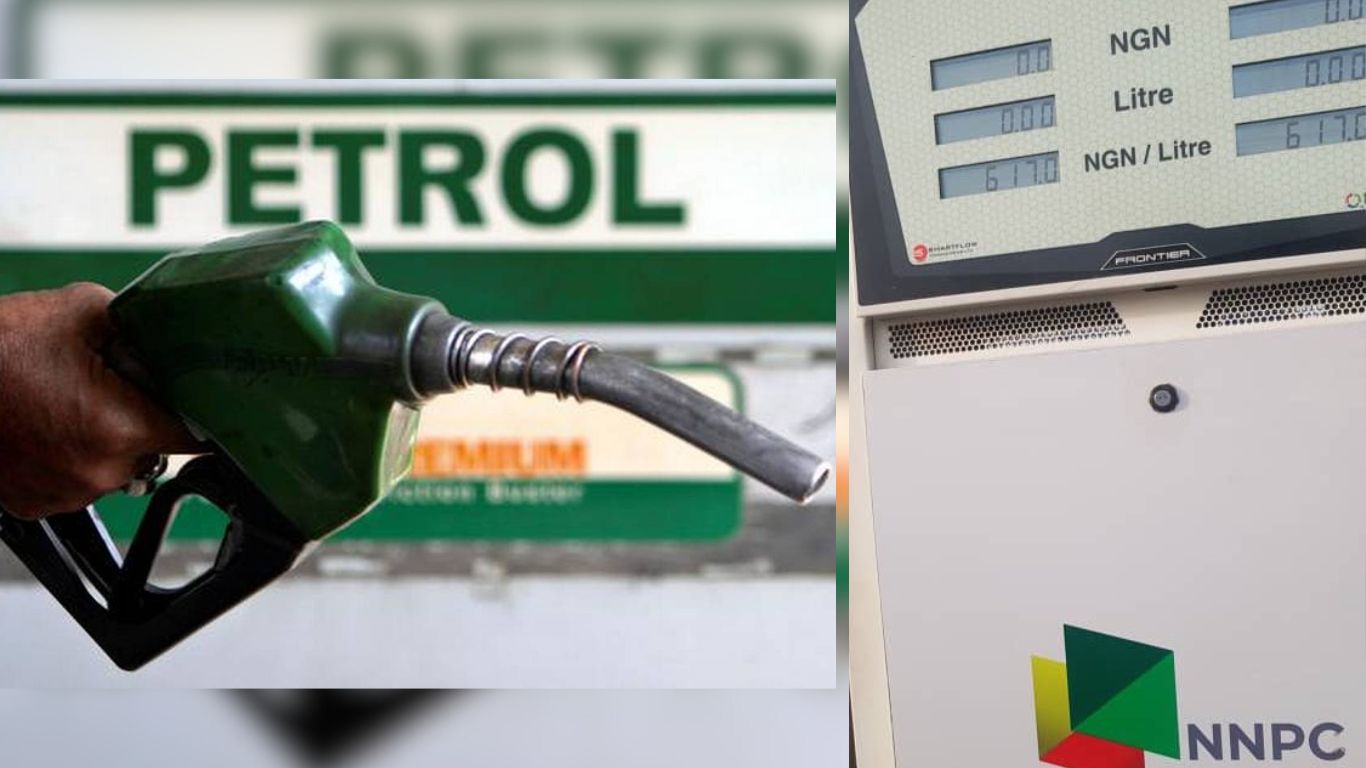
The Petroleum and Natural Gas Senior Staff Association of Nigeria (PENGASSAN) says petrol should be between N700 and N750 per litre at retail stations.
Petrol prices have risen sharply across Nigeria as fuel depots increased their rates following escalating tensions in the Middle East and a strike by tanker drivers in Lagos.
Speaking during a press conference in Abuja on Monday, Festus Osifo, president of PENGASSAN, said petroleum marketers are exploiting Nigerians through inflated petrol prices.
“If you go online and check the PLAT cost per cubic metre of PMS, convert that to litres and then to our naira, you will see that with crude at around $60 per barrel, petrol should be retailing between N700 and N750 per litre,” he said.

Osifo also urged the Nigerian Midstream and Downstream Petroleum Regulatory Authority (NMDPRA) to enforce a transparent pump pricing template to prevent exploitation.
He said the call became necessary, seeing that the decreasing price of crude oil hasn’t stopped marketers from hiking prices.
According to the association’s president, despite crude oil selling for $60 per barrel, petrol pump prices remained as high as between N850 and N900 per litre, leaving consumers at a loss.
“The unjustifiable pricing is due to NMDPRA not being able to carry out its oversight duties effectively,” he said.
“It is the function of the regulator to ensure that Nigerians are not exploited.

“So we call on NMDPRA to have a platform where they can publish what the price ranges should be.
“So, we call on them to be allowed to carry out that responsibility. We call on them to do everything possible to ensure that Nigerians are not exploited.
“If this trend continues, it means that if the crude price comes down to $50 per barrel, we will not see appreciable gains.”
Refinery shutdowns blamed on politics
Osifo further criticised the recurring shutdowns of Nigeria’s state-owned refineries, saying the shutdowns are driven more by political motives than operational challenges.
Read Also: Nigeria’s reforms have put the country on the global economic map
He said the inefficiencies plaguing Nigeria’s refineries, especially the Port Harcourt refinery, may not be due to technical shortcomings but stem largely from political interference.
Osifo noted that despite billions of naira totalling $2.5 billion sunk into rehabilitation efforts over the years, the nation’s refineries have remained largely unproductive, with shutdowns frequently occurring under questionable circumstances.
He also reiterated the call on the federal government to adopt PENGASSAN’s recommendations made 15 years ago.
According to Osifo, the recommendations of the NLNG model, where the government holds 49 per cent and private investors hold 51 per cent, should be adopted.
“We all understand the politics that come in when it comes to national assets management,” he said.
“That is why in the past 15 years or more, we have called on the government consistently to apply the NLNG model in the management of the refineries because the model works.”
Concerning the upstream sector, Osifo welcomed the recent executive order aimed at reducing operational costs.
He highlighted the burden placed on companies by the need to independently secure oil installations due to insecurity.
Osifo added that the union had reached a resolution with Sterling Oil Company following disputes over expatriate staff hiring practices.