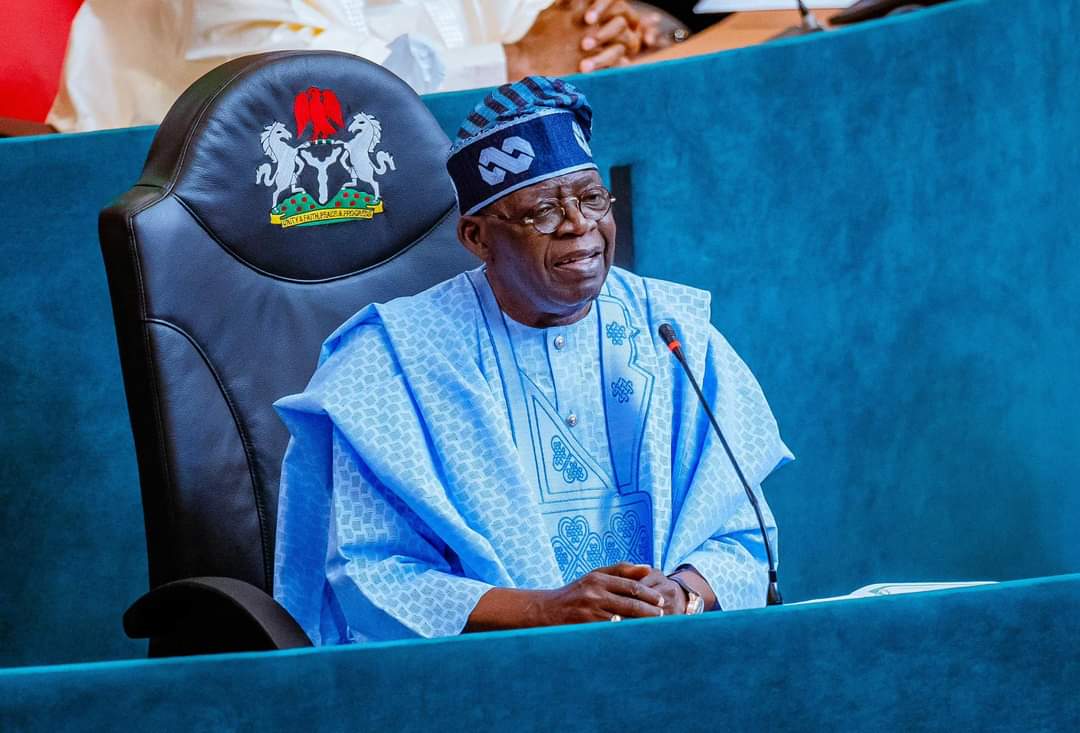
In a rare show of political unity and anticipation, prominent Nigerian political leaders and traditional rulers gathered at the National Assembly complex on Thursday ahead of President Bola Ahmed Tinubu’s Democracy Day address scheduled for June 12.
Spotted at the Green Chamber were key figures including Lateef Fagbemi, minister of justice and attorney general of the federation; Governor Hope Uzodinma of Imo State; Abdullahi Sule, Governor of Nasarawa State; George Akume, secretary to the government of the federation; former Governor Aminu Masari (Katsina) as well as former Senate Presidents Bukola Saraki and Ken Nnamani.
Also present were Anyim Pius Anyim, former secretary to the government of the federation; Atiku Bagudu, minister of budget and economic planning; and Oba Adeyeye Enitan Ogunwusi, Ooni of Ife.
June 12, officially recognised as Nigeria’s Democracy Day, marks the annulled 1993 presidential election widely believed to have been won by the late Moshood Abiola. It has since become a symbol of the country’s democratic resilience.

President Tinubu, a key figure in the June 12 struggle and a former ally of Abiola, is expected to use the occasion to reaffirm his administration’s commitment to democratic governance amid rising economic hardship, security concerns, and demands for political reforms.
BusinessDay had earlier reported that heavy security presence was visibly beefed up around the National Assembly complex on Thursday morning, ahead of President Bola Ahmed Tinubu’s appearance before a joint session of the Senate and House of Representatives to mark the 2025 Democracy Day.
The President is scheduled to address the lawmakers by noon as part of this year’s activities commemorating 26 years of Nigeria’s uninterrupted democratic rule.
A combined security team made up of personnel from the Department of State Services (DSS), the Nigeria Police Force, and the Nigeria Security and Civil Defence Corps (NSCDC) were seen manning strategic entry points, with routine checks intensified and vehicular movement tightly regulated.
Only individuals with special accreditation, including selected journalists, security personnel, and duty-bound National Assembly staff were granted entry into the premises.