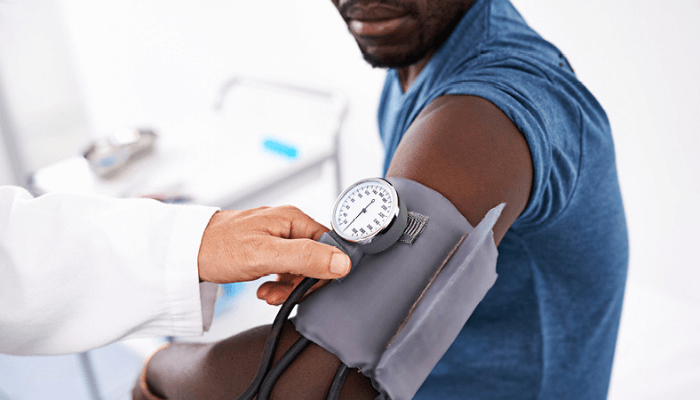
Health experts have urged the public to turn to affordable, locally available foods while changing their lifestyles to manage the world’s biggest silent killer disease without drugs.
With over 70 percent of Nigerians living with high blood pressure (hypertension) unknowingly, according to the World Health Organisation (WHO), health experts want Nigerians with the condition to eat more vegetables and grains while reducing their weight.
Speaking on the issue, Adedeji Mary, a nutritionist, emphasised the importance of traditional Nigerian meals for supporting heart health.
She highlighted foods such as unripe plantain with vegetables, beans porridge, garden eggs, cucumbers, and whole grains like Ofada rice and oats as excellent choices for those managing high blood pressure.

“Unripe plantains, beans, and sweet potatoes are rich in potassium,” Mary explained. “Potassium helps regulate blood pressure by counteracting the effects of sodium and relaxing blood vessels,” she further said.
Read also: Experts proffer solutions to rising hypertension-linked deaths
She also recommended pairing carbohydrates like sweet potatoes and plantains with vegetables such as pumpkin leaves (Ugu), bitter leaf, and water leaf for an added nutritional boost.
“These vegetables are packed with antioxidants and fiber, which are beneficial for heart health,” she said.
Mary added that garlic—though pungent—is another valuable addition for those who can tolerate it.

“Studies have shown that regular garlic consumption can significantly reduce both systolic and diastolic blood pressure,” she noted.
Chinonso Egemba, co-founder of Awadoc, also stressed the importance of lifestyle habits in blood pressure management. He advised patients to drink plenty of water, get sufficient sleep, and engage in regular physical activity to support cardiovascular health.
In further support of natural interventions, nutritionist Lucy Ellis and her team of researchers found that regular consumption of hibiscus flower (zobo) can lower the risk of cardiovascular diseases.
“Hibiscus showed stronger effects on systolic blood pressure,” Ellis said. “In some cases, the blood pressure-lowering effect of hibiscus was comparable to that of prescription medications.”
The findings from her research, published on PubMed, support the integration of hibiscus tea as a natural remedy for individuals with elevated blood pressure.
Foods, lifestyles to avoid
Egemba stressed the importance of avoiding alcohol, warning that “alcohol increases the risk of hypertension as it causes spikes in blood pressure.”
Adedeji advised cutting back on sugar and salt, explaining that “salt has been proven to increase the risk of hypertension due to its high sodium content.”
Egemba added that limiting salty foods can help regulate blood pressure.
“Those with critical cases should not take more than 125 milligrams of salt daily — that’s less than half a teaspoon,” he said.
Other health experts recommended staying away from high-calorie and fried foods such as bread, pastries, cassava, and deep-fried snacks to support healthy blood pressure levels.